
Establishing the Baseline: Manufacturer Offerings vs. Independent Solutions
Weighing Integrated Bundles Against Third-Party Freedom
When the journey of acquiring a new SUV begins, the configuration phase is often the most exhilarating part for any automotive enthusiast. The initial fork in the road lies between selecting manufacturer-curated configurations, often referred to as "packages," and planning for later modifications. Opting for manufacturer-supplied options offers a distinct advantage: seamless integration. Because these components are developed alongside the vehicle’s chassis and powertrain, they guarantee a perfect fit and long-term durability that is sometimes difficult to replicate with external parts.
Manufacturers often simplify the decision-making process by grouping popular features into thematic bundles. For the outdoor enthusiast, an "Adventure Group" might include all-weather floor liners, upgraded heavy-duty suspension, and a factory-installed tow hitch. Conversely, a driver focused on urban commuting might prefer a "Comfort Group" featuring premium leather upholstery, acoustic glass for noise reduction, and high-fidelity audio systems. These bundles are not just about convenience; they are often priced more attractively than purchasing individual components and can positively influence the vehicle's future resale value.
However, the allure of the independent market lies in its limitless potential for expression. While factory options are designed to appeal to a broad demographic, independent modifications allow for a truly bespoke creation. The trade-off often involves a complex navigation of warranties and compatibility. A factory package ensures that the upgraded suspension does not void the powertrain warranty, whereas an aggressive aftermarket lift kit might. Therefore, the decision process requires balancing the desire for a unique identity against the peace of mind provided by factory-backed engineering.
| Feature Dimension | Manufacturer Bundles (OEM) | Independent Market Solutions |
|---|---|---|
| Integration Quality | Engineered specifically for the chassis; guaranteed fitment and software compatibility. | Variable; ranges from high-quality engineering to universal fits that require adaptation. |
| Warranty Impact | Generally covered under the vehicle's standard warranty; low risk. | Potential to void specific warranty sections; relies on part manufacturer's guarantee. |
| Resale Value | Often recognized by dealers as added value; easier to appraise. | Subjective; can lower value if modifications are too niche or aggressive. |
| Design Philosophy | Conservative and universally appealing; safety-focused. | Bold, trend-driven, and highly specific to owner taste. |
The Critical Contact Patch: Rolling Stock Dynamics
Balancing Visual Impact with Road Dynamics
Changing the wheels and rubber is arguably the most transformative visual modification an owner can make, instantly shifting an SUV’s character from suburban commuter to trail conqueror. However, this upgrade requires a deep understanding of physics, especially when utility is a priority. Increasing the overall diameter of the tires does more than just fill the wheel wells; it fundamentally alters the vehicle's gearing. A larger tire circumference requires more torque to turn, which places additional stress on the transmission and can reduce braking efficiency.
This mechanical reality becomes critical if the vehicle is intended for towing. When pulling a trailer, the added strain of oversized tires is multiplied, potentially leading to overheating or premature wear of drivetrain components. Furthermore, modern SUVs are equipped with complex electronic stability programs and speedometer calibrations based on stock specifications. Drastic changes in wheel size can confuse these systems. Therefore, maintaining the proper "Load Index" and ensuring the new setup can handle the vehicle’s Gross Vehicle Weight Rating (GVWR) is not just a suggestion—it is a safety imperative.
Another modern consideration involves the rise of hybrid SUVs. While these vehicles offer excellent efficiency for overland travel, they often sacrifice the spare tire to accommodate battery packs. Relying on a simple puncture repair kit is sufficient for the city but dangerous for rocky trails where sidewall damage is common. Enthusiasts looking to take hybrids off the grid must prioritize finding a solution for a full-size spare, even if it means sacrificing cargo space. Additionally, the trend toward lightweight forged wheels is gaining traction not just for looks, but for performance; reducing unsprung weight improves handling and acceleration, helping to mitigate some of the efficiency losses associated with aggressive tread patterns.
Revitalizing the Cabin Experience
Material Choices and Lighting for a Personal Touch
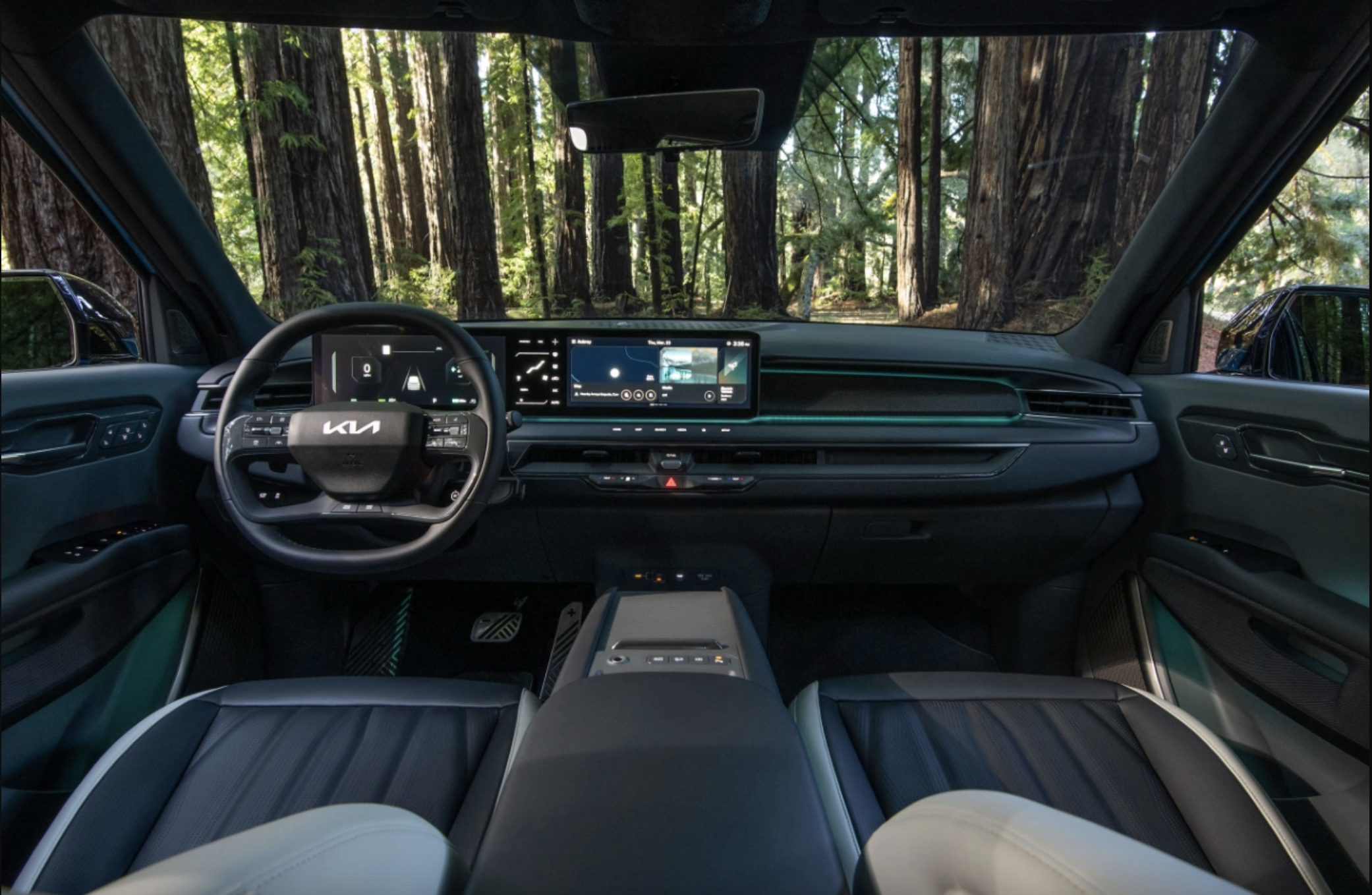
While the exterior commands attention, the interior is where the driver spends their time, making it a prime candidate for personalization. Seat customization offers the most immediate impact. For those wary of permanent changes, high-quality slip-over covers have evolved significantly. Modern designs fit so snugly they mimic upholstery, offering the look of premium leather while providing a robust shield against spills and abrasion—ideal for families or pet owners.
For a more profound transformation, complete reupholstery opens a world of creativity. Owners can select specific stitching patterns, contrasting piping, or even perforated centers to facilitate heating and cooling functions. The choice of material is equally pivotal. There is a growing trend toward sustainable, vegan leathers and suede-like textiles that offer superior thermal properties, staying cooler in summer and warmer in winter compared to traditional hides. These upgrades do more than please the eye; they enhance the tactile experience of every drive.
Beyond seating, lighting plays a crucial role in modernizing the cabin atmosphere. Ambient lighting kits, which allow drivers to wash the footwells and door trims in soft, adjustable colors, turn the cockpit into a sophisticated lounge at night. Functionality also merges with style through the integration of modern conveniences. Adding wireless charging pads to older models, or utilizing custom-molded console organizers, declutters the space and brings the vehicle’s utility up to current standards. Even simple touches, like high-grade floor mats or wrapping scratch-prone plastic trim in textured vinyl, can significantly elevate the perceived quality of the interior, creating a space that feels bespoke and cherished.
Optimizing Capability and Presence
Unlocking Potential Under the Hood and Chassis
To truly tailor an SUV to specific driving demands, one must look beyond the cosmetic and address the vehicle's mechanical respiratory system. Engines, much like athletes, perform better when they can breathe freely. Upgrading the intake and exhaust systems is a foundational step in performance tuning. High-efficiency filters and unrestricted exhaust pathways allow the engine to inhale and exhale with less resistance, often resulting in a sharper throttle response and a more engaging auditory character. However, this newfound eagerness must be managed; engine control unit (ECU) remapping can optimize these physical changes, but it should be done conservatively to maintain reliability for daily use.
Power upgrades necessitate a corresponding evolution in the suspension and braking departments. SUVs inherently have a high center of gravity, and increasing speed potential without addressing stability can lead to unnerving handling characteristics. A well-engineered suspension upgrade—whether it's a slight lift for clearance or stiffer sway bars for cornering flatness—ensures the tires maintain optimal contact with the road. Similarly, upgrading to heat-resistant brake pads and slotted rotors provides the necessary stopping power to handle the vehicle's weight safely, creating a harmonious balance between acceleration and control.
On the exterior, functionality drives the aesthetic. Replacing plastic factory bumpers with robust steel alternatives changes the vehicle's face from passive to assertive while providing mounting points for winches and recovery gear. Lighting upgrades, such as roof-mounted bars or ditch lights, extend visibility far beyond the reach of standard high beams. At the rear, the cargo area can be transformed into a mobile command center using modular storage panels. These systems allow gear to be strapped securely to the walls, maximizing volume and keeping essential tools accessible. This blend of "functional armor" and organized utility defines the modern customized SUV—a machine that looks tough because it is built to be used.
| Exterior Upgrade Category | Primary Function | Aesthetic Impact |
|---|---|---|
| Protective Armor | Skid plates, rock sliders, and steel bumpers protect vital components from impact. | Adds a rugged, heavy-duty "expedition" look; signals serious intent. |
| Illumination Systems | Light bars and ditch lights provide visibility in unlit environments. | Creates a technical, modern silhouette; adds visual height. |
| Cargo Management | Roof racks and rear ladders expand carrying capacity for bulky gear. | enhance the "adventure-ready" profile; breaks up body lines. |
| Airflow Management | Snorkels and hood vents improve engine cooling and water wading depth. | distinctive, utilitarian appearance that sets the vehicle apart. |
Q&A
-
What are Factory Upgrade Packages and how do they benefit vehicle owners?
Factory Upgrade Packages are enhancements offered by vehicle manufacturers that allow owners to upgrade their vehicles with factory-approved parts and accessories. These packages can include anything from advanced technology features to enhanced performance parts. They benefit vehicle owners by ensuring compatibility and reliability, maintaining warranty coverage, and often increasing the vehicle's resale value.
-
What are some current trends in Aftermarket Modification?
Current trends in Aftermarket Modification include a strong focus on eco-friendly upgrades, such as electric conversion kits and sustainable materials for interior customization. Additionally, there is a growing interest in smart technology integrations, including advanced infotainment systems and driver assistance features. Customization for personalization, such as unique paint jobs and bespoke interior materials, is also gaining popularity.
-
How can Wheel And Tire Customization impact vehicle performance?
Wheel and tire customization can significantly impact vehicle performance by enhancing traction, handling, and overall driving experience. For instance, larger wheels and performance tires can improve grip and stability, especially in high-speed or off-road conditions. However, it's important for vehicle owners to consider factors like vehicle compatibility and road conditions to ensure optimal performance and safety.
-
What should vehicle owners consider when choosing Interior Personalization Kits?
When selecting Interior Personalization Kits, vehicle owners should consider the quality and durability of materials, compatibility with existing vehicle interiors, and the ease of installation. It's also advisable to choose kits that align with personal style preferences and functionality needs, such as additional storage solutions or enhanced comfort features like heated seats.
-
Why are Performance Enhancement Parts popular among car enthusiasts?
Performance Enhancement Parts are popular among car enthusiasts because they allow for significant improvements in a vehicle's speed, power, and handling capabilities. These parts, which can include upgraded exhaust systems, turbochargers, and high-performance air filters, enable enthusiasts to tailor their vehicles to specific driving styles and performance goals, often leading to a more exhilarating driving experience.