
The Art of Risk-Free Interior Personalization
Elevating Comfort and Style from the Inside Out
When you step into a leased vehicle, the immediate sensation can often feel impersonal, reminding you that the asset belongs to a financial institution rather than your driveway. However, the interior is where you spend your time, and transforming this space is the safest and most effective way to claim ownership of the experience. The goal here is to focus on "contact points"—the areas you touch and see most frequently—while strictly avoiding any permanent alterations like drilling, gluing, or rewiring.
High-quality seat covers are a prime example of a dual-purpose modification. Unlike the ill-fitting universal covers of the past, modern custom-fit options can mimic the look and feel of factory leather or sport textiles. By installing these, you not only change the aesthetic tone of the cabin to match your style but also create a physical barrier protecting the original upholstery. This is a strategic move; preventing stains, spills, or UV fading on the original seats safeguards you against "excess wear and tear" charges at the end of the lease. Similarly, upgrading from standard carpet mats to premium all-weather floor liners adds a rugged, premium look while trapping dirt and moisture that would otherwise degrade the factory carpet.
Technology integration offers another avenue for personalization, provided it remains non-invasive. While you cannot rip out the head unit to install a new sound system without voiding warranties or violating contracts, you can utilize high-end, removable accessories. Smartphone mounts that clip into vents or use magnetic adhesion, rather than adhesive residues on the dashboard, are ideal. For audio enthusiasts, rather than splicing wires for a subwoofer, portable high-fidelity Bluetooth speakers or sound processors that plug into existing auxiliary ports can significantly improve audio quality without touching the vehicle's electrical harness. The golden rule for the interior is simple: if it requires a screwdriver to install, think twice; if it requires a drill, walk away.
Smart Strategies for Aesthetic Protection
Beyond simple comfort, there is a category of interior modification that serves as a proactive investment in the vehicle's final inspection. Many lessees worry about the "lived-in" look that accumulates over three years, but smart customization can mitigate this. Consider the use of removable interior trim kits. These are often available in finishes like carbon fiber, wood grain, or brushed aluminum and are designed to snap over existing panels. They completely change the visual landscape of the dashboard and doors, hiding the generic plastic underneath while protecting those surfaces from scratches.
Another overlooked area is the cargo space. Custom cargo liners or organizers not only keep your trunk tidy but prevent the inevitable scuffs and tears that come from hauling groceries, sports equipment, or luggage. By standardizing these protective measures as "modifications," you are effectively wrapping the car in a protective shell that you happen to find visually appealing.
| Customization Category | Visual Impact | Lease Risk Level | Removal Difficulty |
|---|---|---|---|
| Custom Seat Covers | High | Low | Easy (1-2 hours) |
| All-Weather Liners | Medium | None | Instant |
| Clip-on Phone Mounts | Low | None | Instant |
| Adhesive Dash Trim | Medium | Medium | Moderate (Residue risk) |
| Hardwired Electronics | Low (Hidden) | High | High (Requires rewiring) |
It is crucial to approach these additions with an "easy on, easy off" mentality. Avoid heavy adhesives that might react with soft-touch dashboard materials over time, melting or discoloring the surface. Instead, look for friction-based mounts or items that utilize existing latch points. By focusing on preservation-as-customization, you turn the limitations of a lease into a strategy for maintaining a pristine vehicle, ensuring that when inspection day comes, the interior looks as fresh as the day you drove it off the lot.
Exterior Enhancements and Mechanical Boundaries
Navigating Wheel and Tire Swaps
Changing the wheels is arguably the most transformative aesthetic change you can make to a vehicle, instantly shifting its character from a stock commuter to a personalized machine. For leaseholders, this is a viable option, but it requires a disciplined logistics strategy. The primary rule is that the vehicle must be returned with the exact equipment it came with—specifically, the Original Equipment Manufacturer (OEM) wheels and tires.
When you purchase aftermarket wheels, you are essentially renting the look for the duration of your lease. The critical success factor here is storage. As soon as the aftermarket set is installed, the OEM wheels and tires must be cleaned, covered, and stored in a temperature-controlled environment, if possible. They need to be kept safe from dry rot, flat-spotting, or corrosion. If you return the car and the original tires are missing or damaged from poor storage, the dealership will charge you the full replacement cost, which is often significantly higher than market rates.
Furthermore, this strategy has a hidden financial benefit. By driving on your aftermarket tires for the lease term, you are saving the tread life on the OEM tires. Lease returns have strict requirements regarding minimum tread depth. If you drive on the factory tires for three years, you might be forced to buy a brand-new set just to return the car. However, if those tires have been sitting safely in your garage, you can bolt them back on before the return, presenting the dealer with tires that have ample tread, easily passing the inspection. Once the lease is over, you can sell your aftermarket wheels to recoup some of your initial investment, making this one of the most financially sound customizations available.
The Science of Vinyl and Paint Protection
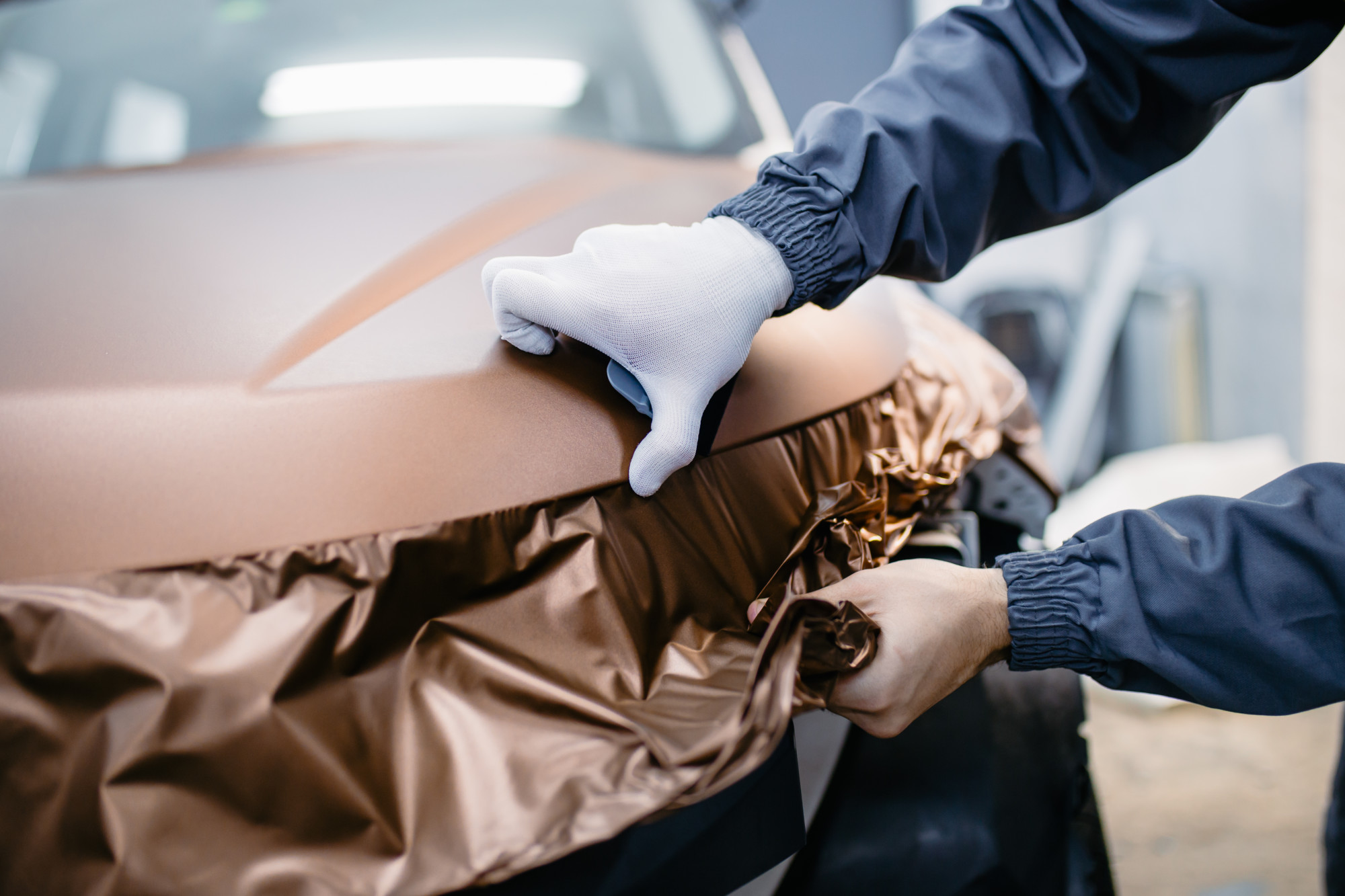
Changing the color of a leased car used to be impossible, as painting is a permanent alteration that destroys the vehicle's residual value. However, the advent of high-quality vinyl wrapping has revolutionized this space. A full color-change wrap allows you to drive a car in a matte finish, a unique color shift, or a shade not offered by the factory, all while preserving the original paint underneath.
The protective nature of vinyl cannot be overstated. The film acts as a sacrificial layer against road debris, bird droppings, UV rays, and minor scratches. When you peel the wrap off at the end of the lease, the paint underneath often looks brand new, which is a massive advantage during the turn-in inspection. However, quality is paramount. Cheap vinyl or improper installation can lead to the adhesive bonding with the clear coat, causing peeling or residue issues upon removal. It is essential to use high-grade materials and professional installers who guarantee clean removal after three years.
| Feature Comparison | Factory Paint | Vinyl Wrap | Plasti-Dip/Liquid Wrap |
|---|---|---|---|
| Cost | Included | High ($2k - $5k+) | Low ($500 - $1k) |
| Reversibility | N/A | Excellent (if high quality) | Good (can be messy) |
| Protection | Low (Vulnerable) | High (Shields paint) | Medium (Shields paint) |
| Durability | Permanent | 3-5 Years | 1-2 Years |
| Lease Friendly? | Yes | Yes (Must remove) | Yes (Must remove) |
Window tinting falls into a similar category but comes with a caveat. While many dealerships may not mind—or may even appreciate—a quality tint job, you cannot guarantee they won't ask for it to be removed. Cheap tint that turns purple or bubbles will almost certainly result in a removal fee. If you choose to tint, stay within legal limits and use high-quality ceramic films. Always assume you will have to pay a professional to steam it off before the return, and factor that cost into your budget. If the dealer lets it slide, consider it a bonus, not a right.
Strategic Planning for the Lease Lifecycle
Leveraging Factory Options Before Signing
The most effective way to customize a leased vehicle is to do it before the contract is even printed. Factory-installed options are the only "modifications" that are 100% approved, warranted, and residualized. When you build a car with a sport package, upgraded audio system, performance exhaust, or specific interior trim, these become part of the vehicle's registered equipment.
Financially, this is often smarter than aftermarket changes. In a lease, you pay for the depreciation of the vehicle over the term. If you add a $2,000 technology package, you don't necessarily pay $2,000; you pay the difference between its cost and its residual value at the end of the lease. This means you might only pay for 40-50% of the option's cost over three years, whereas buying an aftermarket part requires paying 100% of the cost upfront (plus installation) with zero return on investment.
Furthermore, factory options eliminate the anxiety of "undoing" your work. There are no parts to store in your garage, no wires to untangle, and no risk of voiding the warranty. If the upgraded navigation system fails, the dealer fixes it. If your aftermarket head unit fails and causes an electrical short, you are liable for the repair. Therefore, spending time on the "Build and Price" tool on the manufacturer's website and negotiating for a car with the exact specs you want is the ultimate form of stress-free customization.
The Exit Strategy: Returning to Stock
As the lease term draws to a close, the "reverse engineering" phase begins. This is where your initial planning is tested. The process of returning a modified car to stock should begin at least two to four weeks before the final inspection, not the night before. This buffer allows time to deal with unexpected issues, such as a lost bolt for the original seats or a stubborn adhesive residue from a dashboard mount.
Documentation throughout the lease term is your best defense. If you had a professional install a wrap or electronic accessory, keep the receipts and the contact information of the shop. You may need their help for a clean removal. For DIY projects, hopefully, you organized all OEM parts in clearly labeled boxes. The goal is to present a vehicle that looks as if it never left the stock form.
This phase also involves a critical assessment of the vehicle's condition. If your modifications acted as protective layers (like seat covers or floor liners), revealing the pristine condition underneath can be incredibly satisfying. However, if a modification caused damage—for instance, if a roof rack scratched the paint—you must address this before the inspector sees it. It is often cheaper to have a third-party detailer or body shop fix minor issues than to pay the dealership's inflated penalties. Ultimately, the successful customization of a leased car is defined by how invisible your presence is once the keys are handed back.
Q&A
-
What are some common modifications allowed for leased cars?
Typically, leased cars can undergo certain modifications as long as they are reversible and approved by the leasing company. Common modifications include adding window tint, upgrading audio systems, or installing temporary accessories like roof racks. However, it's important to consult the lease agreement or leasing company for specific guidelines.
-
Can you upgrade the wheels and tires on a leased car?
Yes, you can upgrade the wheels and tires on a leased car, but it is crucial to keep the original set to reinstall before returning the vehicle. Upgrades should match the specifications allowed by the lease and should not alter the vehicle's performance in a way that violates the lease terms.
-
How does car wrap protection work for leased vehicles?
Car wrap protection involves applying a vinyl film over the car's exterior to protect the paint and enhance aesthetics. It is a popular option for leased cars as it can be removed without damaging the original paint, thus maintaining the vehicle's condition when returned at the end of the lease.
-
What are the steps to reverse modifications on a leased car before returning it?
Reversing modifications involves removing any non-permanent changes made to the vehicle, such as aftermarket parts or accessories. Ensure all original components are reinstalled and the car is returned to its factory condition. This may involve professional services, especially if complex modifications were made.
-
Are there approved car customization programs for leased vehicles?
Some manufacturers offer approved customization programs that allow lessees to personalize their vehicles with factory options or dealer-installed accessories. These programs ensure that any modifications are compliant with the lease terms and do not affect the vehicle's warranty or residual value. Always check with your leasing company or dealer for available options.