
The Hidden Report Card: How Design Dictates Cost
The Evolution of Crash Testing and Financial Risk
Most drivers are familiar with the star ratings assigned to new vehicles, but few realize that the criteria for these assessments are becoming increasingly stringent each year. A vehicle that once received top marks might achieve a lower score in modern tests because the scenarios have evolved to mirror reality more closely. Evaluators now scrutinize complex factors, such as how well rear-seat passengers are protected during an impact or the effectiveness of headlights in detecting pedestrians at night. These rigorous standards do more than just grade a car's metal; they create a detailed profile of risk.
Insurance providers meticulously analyze this data to determine premiums. They are not merely looking at whether a car survives a crash, but at the collision loss frequency associated with specific models. When a vehicle is engineered to meet these heightened standards, it implies that the car is less likely to sustain catastrophic damage in real-world scenarios. Consequently, a car that excels in these updated, harsher tests suggests a lower probability of expensive medical claims and extensive repairs. This direct correlation means that rigorous engineering translates into tangible structural integrity credits, which insurers reward with more favorable rate classifications. It is no longer just about the thickness of the steel, but the intelligence of the design in mitigating financial loss.
Beyond Impact: The Value of Stability and Build
While crash test scores garner the most headlines, the physical characteristics of a vehicle—specifically its weight and center of gravity—play a silent but massive role in calculating insurance costs. There is a distinct physics to safety; generally, heavier vehicles with substantial frames offer superior protection to occupants during a collision. This relates to the concept of vehicle weight class risks, where the mass of the car absorbs significant energy, shielding the passengers. From an actuarial standpoint, this reduces the likelihood of severe medical payouts, which is a major component of insurance liability.
However, insurers must balance this protection against potential liability. While a heavy SUV might protect its driver, it can cause significant damage to smaller vehicles. Furthermore, the height of a vehicle introduces the factor of rollover stability ratings. Vehicles designed with a lower center of gravity or advanced suspension systems that prevent tipping are viewed as lower risks. A car that stays planted on the road during an evasive maneuver avoids the complex and costly claims associated with single-vehicle rollover accidents. Therefore, a vehicle that combines robust occupant protection with high dynamic stability hits a "sweet spot" in pricing algorithms, offering the dual benefit of safety and lower premiums.
| Vehicle Design Aspect | Impact on Safety | Influence on Insurance Premiums |
| Rigid Body Structure | Minimizes cabin intrusion during high-speed impacts. | Reduces medical injury claims, leading to lower liability costs for insurers. |
| High Stability Rating | Prevents rollovers and loss of control in adverse weather. | Lowers the frequency of single-car accidents, improving collision coverage rates. |
| Advanced Crumple Zones | Absorbs kinetic energy before it reaches passengers. | Lowers injury severity, though repair costs for the vehicle itself may vary. |
The Rise of Prevention Over Protection
Sensors as Financial Guardians
The automotive industry has shifted from a philosophy of "surviving the crash" to "avoiding the crash entirely." This paradigm shift is driven by Advanced Driver Assistance Systems (ADAS), which act as an extra set of digital eyes. Technologies such as Automatic Emergency Braking (AEB), lane-keeping assist, and blind-spot monitoring are no longer luxury add-ons; they are becoming standard expectations. These systems utilize radar, cameras, and LiDAR to detect hazards that a human driver might miss, reacting in milliseconds to prevent metal from hitting metal.
For insurance companies, the most profitable accident is the one that never happens. Insurers are increasingly relying on ADAS efficacy data to set rates. When a vehicle model demonstrates a statistically significant reduction in rear-end collisions due to automated braking, it moves into a lower risk category. It is not hypothetical; the data confirms that cars equipped with these "electronic guardians" generate fewer claims. While the repair costs for sensors located in bumpers or windshields can be higher, the drastic reduction in accident frequency outweighs these repair costs. Ultimately, the vehicle's ability to "see" the road lowers the aggregate risk, passing savings on to the owner.
Monitoring the Human Element
Safety technology is also turning inward to monitor the driver. Fatigue and distraction remain leading causes of preventable accidents. Modern vehicles are increasingly equipped with systems that analyze driver behavior, tracking eye movement, head position, and steering patterns to detect signs of drowsiness or inattention. If the system calculates that the driver is losing focus, it can issue audio-visual warnings or even suggest a coffee break. In commercial fleets, and increasingly in passenger cars, this technology serves as a critical fail-safe against human error.
From an insurance perspective, these monitoring systems directly influence injury liability statistics. By intervening before a driver drifts into oncoming traffic or off the road, the vehicle mitigates the risk of high-severity accidents that often result in catastrophic injuries. Insurers view these features as a layer of accountability that complements the mechanical safety of the car. Just as a security system lowers home insurance, a driver monitoring system lowers auto insurance by reducing the likelihood of negligence-based claims. It transforms the car from a passive machine into an active partner in safety, a feature that underwriters are eager to incentivize.
| Safety Feature Category | Primary Function | Insurance Benefit Mechanism |
| Collision Avoidance | Auto-braking (AEB), Forward Collision Warning. | Drastically reduces frequency of rear-end claims and minor fender-benders. |
| Driver Monitoring | Drowsiness detection, lane departure warning. | Mitigates high-speed accidents caused by fatigue, lowering major liability risks. |
| Environmental Awareness | Blind-spot monitoring, Cross-traffic alert. | Prevents side-swipe and parking lot accidents, reducing distinct claim categories. |
Data-Driven Discounts and Future Trends
The integration of safety technology has opened the door to a more personalized approach to insurance: usage-based pricing. Modern cars are not just mechanical transport; they are data hubs. Through telematics and connected car services, vehicles can report not just that they are safe, but how they are being driven. This goes beyond the hardware installed in the factory. It involves analyzing real-time data regarding hard braking, rapid acceleration, and the activation of safety systems like anti-lock brakes or stability control.
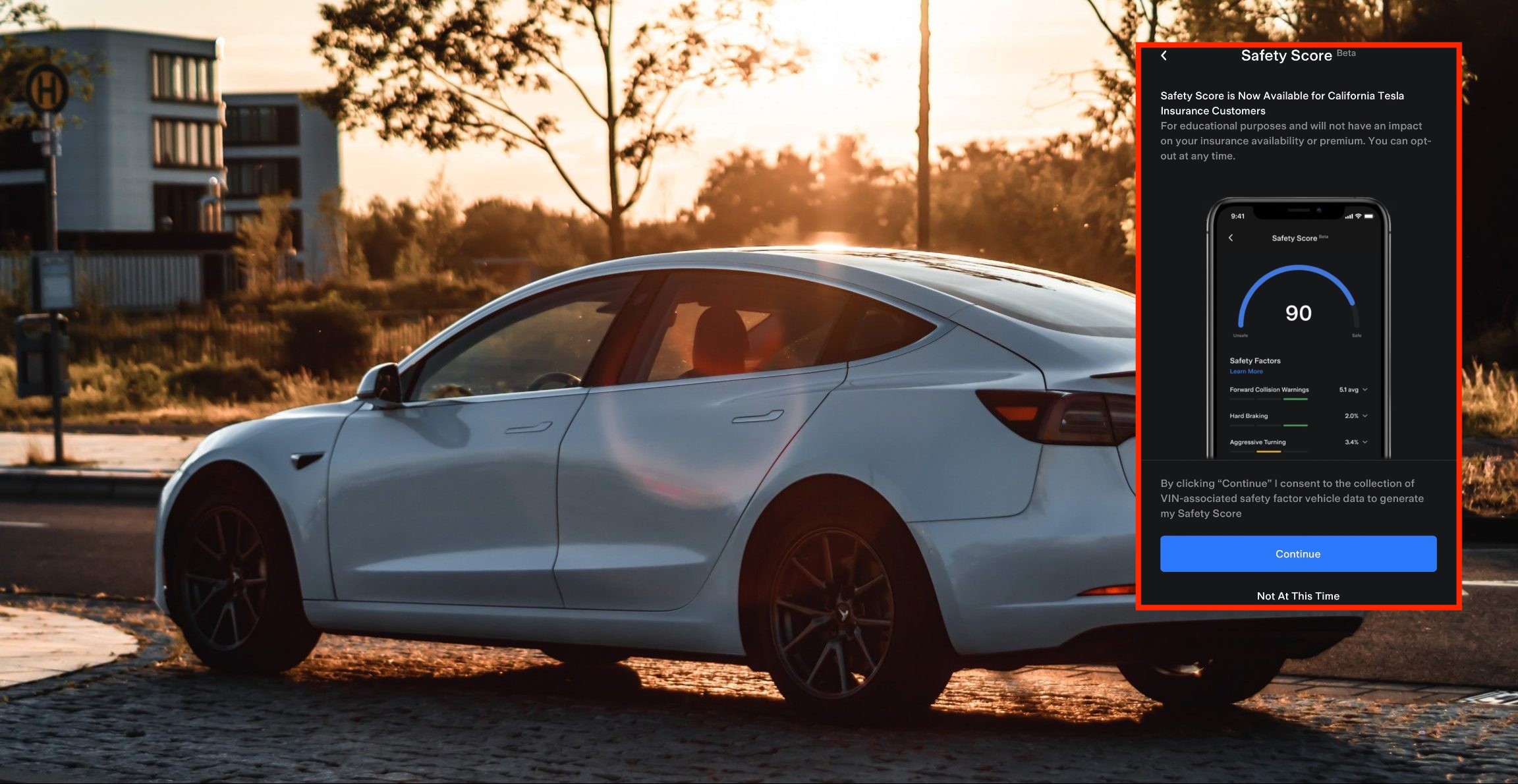
This flow of information allows for a precise calculation of risk. If a driver consistently utilizes the safety features of their vehicle and drives in a manner that maximizes the car's stability, they can build a personalized "safety score." This score serves as proof of low-risk behavior, allowing insurers to offer discounts that standard demographic models could never provide. The synergy between a car’s inherent safety design and the driver’s actual habits creates a comprehensive profile. In this ecosystem, the car’s ability to prevent accidents and the driver’s willingness to heed those warnings combine to unlock the most significant financial savings available in the market today.
Q&A
-
What factors influence Collision Loss Frequency in vehicles?
Collision Loss Frequency is influenced by several factors, including the vehicle's size and weight, driver behavior, and the type of driving environment. For instance, larger vehicles may experience fewer losses due to their mass, while urban settings can see higher frequencies due to traffic density. Advanced Driver Assistance Systems (ADAS) can also reduce collision frequency by improving driver awareness and reaction times.
-
How do Injury Liability Statistics impact vehicle insurance premiums?
Injury Liability Statistics are critical in determining vehicle insurance premiums, as they reflect the likelihood and severity of injuries in crashes involving specific vehicles. Vehicles with higher injury claims tend to have higher insurance rates. Insurers use this data to assess risk and set premiums accordingly, encouraging manufacturers to improve vehicle safety features.
-
What is the role of ADAS Efficacy Data in vehicle safety evaluations?
ADAS Efficacy Data plays a vital role in evaluating vehicle safety by providing insights into how effectively these systems prevent accidents or mitigate their severity. This data helps manufacturers improve system performance and assists regulatory bodies in setting safety standards. Consumer awareness and trust in ADAS-equipped vehicles are also enhanced through proven efficacy.
-
Why is Vehicle Weight Class a risk factor in rollover incidents?
Vehicle Weight Class is a significant risk factor in rollovers because heavier vehicles tend to have a higher center of gravity, making them more prone to tipping over during sharp turns or sudden maneuvers. Lighter vehicles, while less prone to rollovers, may not offer the same level of protection in crashes, highlighting the importance of balancing weight and safety features.
-
How do Structural Integrity Credits influence vehicle design?
Structural Integrity Credits are incentives for manufacturers to design vehicles with enhanced crashworthiness. These credits are awarded based on a vehicle's ability to withstand impacts and protect occupants, encouraging the use of stronger materials and innovative engineering techniques. As a result, vehicles are safer, and manufacturers may benefit from reduced liability and improved market competitiveness.