
Preserving the Powerplant and Vital Fluids
The Critical Freshness of Engine Lubrication
To extract maximum performance from a diesel engine and ensure it remains a reliable partner for years, the management of engine oil is absolute bedrock. Many operators fall into the trap of thinking, "It can wait a little longer," pushing exchange intervals beyond recommended limits. However, diesel engines operate under significantly higher compression ratios compared to their gasoline counterparts. Structurally, this subjects the internal components to immense stress and load. Consequently, oil degradation accelerates far faster than one might anticipate based on mileage alone.
A specific enemy in this battle is soot. Diesel engines naturally produce this black particulate matter, which inevitably finds its way into the oil supply. When soot levels rise, the oil acts less like a lubricant and more like a liquid sandpaper, slowly grinding away at cylinder walls and bearings. Furthermore, high soot content increases the oil's viscosity, thickening it to a point where circulation becomes sluggish. Regular oil changes do more than just lubricate; they perform a "detox" function, flushing out these accumulated internal contaminants. While frequent changes might initially seem like an added operational cost, they are the most economically sound strategy in the long run, preventing fuel efficiency drops and catastrophic mechanical failures that could sideline a truck for weeks.
Filtration Systems: Breathing and Eating Right
If we personify the engine, the importance of filtration becomes immediately clear. The air filter functions as the "lungs," while the fuel filter ensures the quality of the engine's "diet." Operating a truck with clogged filters is akin to an athlete trying to sprint while wearing a restrictive mask or eating contaminated food; performance inevitably plummets. When an air filter becomes choked with dust and debris, the airflow to the cylinders is restricted. This leads to incomplete combustion, which manifests as a loss of power, increased black smoke emissions, and a sharp decline in fuel economy.
Similarly, modern diesel engines are equipped with high-pressure fuel injection systems that are marvels of precision engineering. These components are incredibly sensitive. Even microscopic particles of dirt or minute traces of water bypassing a compromised fuel filter can destroy expensive injectors. Neglecting these seemingly minor components is a gamble with high stakes. Replacing filters at strict, predetermined cycles ensures the engine breathes freely and consumes clean fuel, allowing it to generate torque efficiently without risking the delicate internal hardware that drives modern trucking commerce.
Optimizing Power Transfer and Drivetrain
Fluid Management for Gear Longevity
The transmission is the complex mediator that converts raw engine power into usable wheel rotation. Keeping this system operational relies heavily on the condition of the transmission fluid. While most drivers are diligent about engine oil, the transmission often suffers from "out of sight, out of mind" syndrome until it fails. Industry standards often suggest servicing this fluid every 30,000 to roughly 60,000 miles, though heavy-duty usage may dictate tighter intervals. As fluid ages, it loses its ability to lubricate and cool the gears, leading to increased internal friction and dangerous heat buildup.
When the gear system begins to struggle, it often communicates through subtle signs. You might hear a grinding noise during shifts, feel a hesitation or "slip" where the engine revs but speed doesn't increase, or notice a delay in gear engagement. Visually, a red puddle beneath the truck is an immediate red flag indicating a seal breach. Addressing these fluids proactively is a wise investment against the staggering cost of transmission rebuilding. It is also crucial to understand the method of exchange. A simple "drain and fill" only replaces about half the fluid, while a "power flush" replaces it all but can sometimes dislodge sludge that blocks narrow passages in older, neglected units.
| Maintenance Strategy | Pros and Key Characteristics | Considerations and Risks |
|---|---|---|
| Drain and Refill | Manufacturer-approved and gentle on the system. Uses gravity to remove old fluid from the pan. Safe for high-mileage vehicles that haven't been serviced recently. | Only replaces about 40-50% of the total fluid volume. Old, degraded fluid remains in the torque converter and cooler lines. |
| Power Flush (Circulation) | Replaces nearly 100% of the fluid. Cleans out sludge from the torque converter and cooling lines. Ideal for vehicles with a strict, consistent maintenance history. | Can be aggressive. In neglected transmissions, it may dislodge debris that subsequently clogs valve bodies, potentially causing failure after service. |
Safeguarding the Differential and Undercarriage
The differential is the unsung hero of the drivetrain, splitting engine torque to the wheels while allowing them to rotate at different speeds during turns. Inside this housing, metal gears mesh under extreme pressure. The differential fluid here plays a dual role: it lubricates these meshing gears and acts as a coolant to dissipate the intense heat generated by friction. If this fluid is low or degraded, the gears can overheat, leading to seizing or rapid wear. Since the differential is tucked away at the rear, it is one of the most frequently overlooked checkpoints until a catastrophic failure immobilizes the vehicle.
Leakage is a primary concern here. The gaskets and seals keeping the fluid inside can dry out or crack over time. Even a minor weep can lead to a critically low fluid level, breaking the protective oil film between gears. Conversely, a bad seal can allow water and road grit to enter the housing, turning the fluid into a destructive sludge. For trucks that tow heavy loads or operate off-road, the stress on the differential is magnified, accelerating fluid oxidation. Regular inspections should look beyond just the fluid level; they must verify the integrity of the seals and the condition of the fluid itself, ensuring it hasn't turned into a burnt, gritty paste that signals impending doom.
Stability, Braking, and Thermal Control
The Science of Tire Rotation and Load
Owners of heavy-duty trucks are often shocked by how quickly their front tires wear out compared to passenger vehicles. This is a matter of physics and weight distribution. In most trucks, the engine and heavy mechanical components are situated directly over the front axle, placing a disproportionate static load on the front tires. Additionally, the front tires bear the brunt of lateral friction during steering maneuvers. This combination causes the front set to wear significantly faster and often unevenly compared to the rear tires, which trail behind.
Ignoring this "uneven wear" does more than just shorten tire life; it compromises safety. Uneven treads can lead to vague steering feedback, reduced straight-line stability, and a sensation that the truck is "fighting" the driver in corners. This is particularly dangerous when hauling heavy payloads or navigating wet roads, where grip is paramount. Implementing a strategic tire rotation schedule is a scientifically backed method to equalize wear. By systematically moving tires between positions, you distribute the physical stress across all four (or more) tires, ensuring they degrade at a similar rate. This practice maximizes the investment in rubber and maintains the precise handling characteristics essential for safe heavy-vehicle operation.
| Tire Condition Symptom | Potential Cause | Impact on Driving Experience |
|---|---|---|
| Shoulder Wear | Under-inflation or hard cornering under load. | Reduced grip in turns; increased risk of blowout due to heat buildup in sidewalls. |
| Center Wear | Over-inflation. | Harsh ride quality; reduced traction on wet surfaces due to smaller contact patch. |
| Cupping / Scalloping | Worn suspension parts or lack of rotation. | Significant vibration and noise at speed; erratic bouncing of the wheel. |
| One-sided Wear | Misalignment (Toe/Camber issues). | The vehicle pulls to one side; constant steering correction required. |
Advanced Braking and Electronic Systems
The braking systems on modern trucks have evolved far beyond simple mechanical clamps. Today, they are integrated with complex electronic control units (ECUs) that manage features like automatic emergency braking, stability control, and electronic parking brakes. While these advancements drastically improve safety, they introduce new layers of maintenance complexity. It is no longer sufficient to simply check the thickness of the brake pads. One must also ensure that the sensors, wiring, and software governing these systems are communicating correctly. A fault in a wheel speed sensor, for example, can disable the anti-lock braking system (ABS), leaving the driver vulnerable during panic stops.
Furthermore, failures in these systems can be insidious. There have been industry reports of electronic parking modules malfunctioning, potentially allowing a vehicle to roll away if not properly secured. These issues are often invisible to the naked eye and require diagnostic scanning tools to detect. Regular maintenance now involves plugging into the truck's computer to check for fault codes that indicate intermittent signal loss or software glitches. Because the braking system is also reactive to engine performance—relying on vacuum or hydraulic pressure—engine health is directly tied to stopping power. Comprehensive checks must view the truck as a holistic system, where a hiccup in the electrical grid can compromise the physical ability to stop the vehicle.
Thermal Management and Heat Control
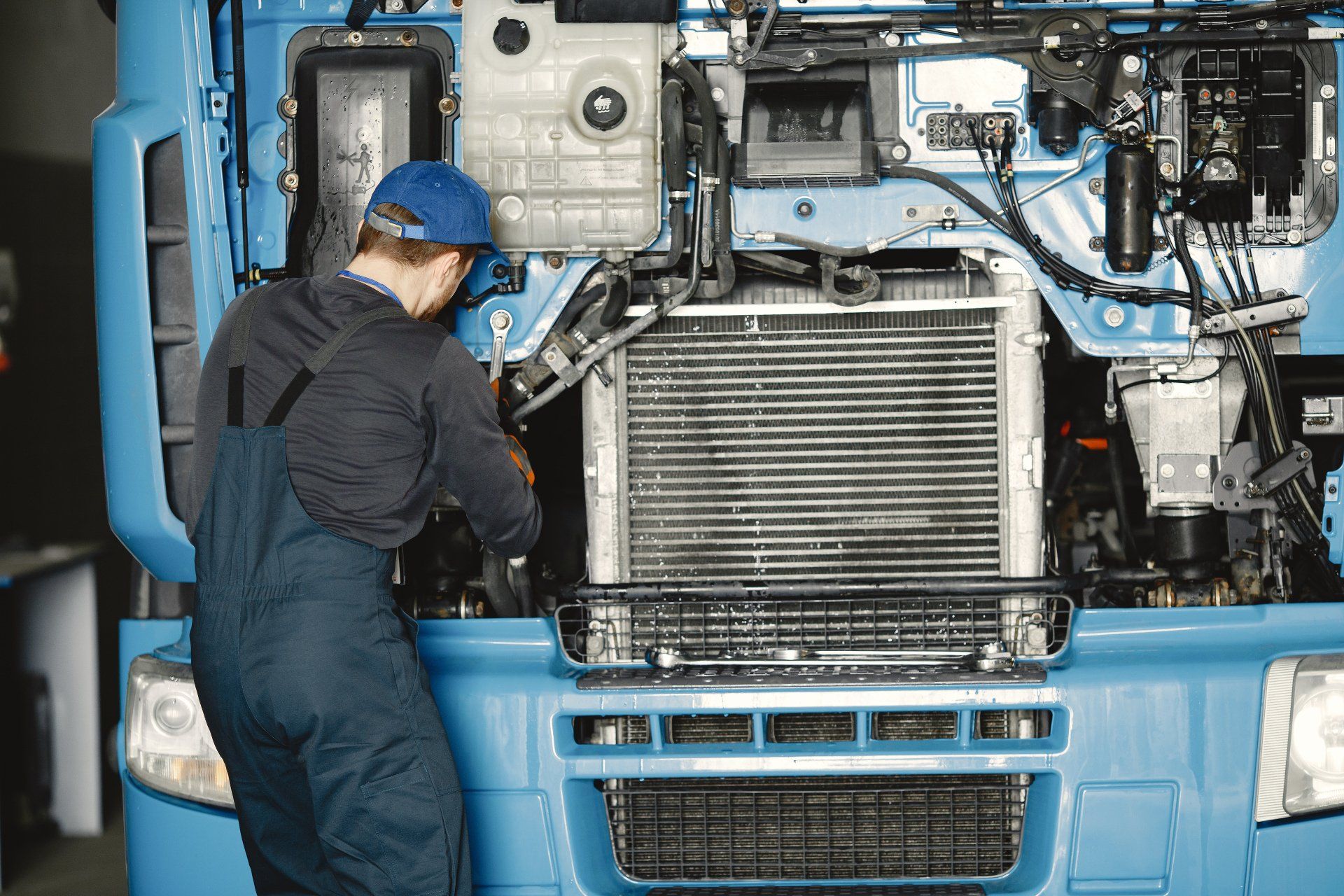
Diesel engines produce massive torque, and with torque comes heat. The cooling system is the primary defense against thermal destruction. Overheating is a quick way to warp cylinder heads and blow gaskets, turning a working asset into a giant paperweight. While checking the coolant level is standard practice, true preventative maintenance looks closer at the delivery system: the hoses and the radiator. Rubber hoses degrade from the inside out via a process called electrochemical degradation. A hose might look fine externally but be on the verge of bursting internally. Squeezing hoses to check for "sponginess" or extreme hardness is a simple tactile test that can save a roadside breakdown.
Additionally, the thermostat is a small but vital gatekeeper. It regulates the flow of coolant to maintain optimal operating temperature. An aging thermostat may stick, causing the engine to run too cold (reducing efficiency) or too hot (risking damage). For trucks involved in towing, the thermal load is even higher. When you stop a heavy tow, the engine is soaking in heat (heat soak). Ensuring the cooling fans are operational and the radiator fins are free of bugs and debris is critical. Upgrading to high-durability silicone hoses or specialized oil coolers can also provide a buffer of safety for trucks that regularly operate near their maximum weight limits.
Q&A
-
What are some essential diesel engine maintenance tasks for trucks?
Regular diesel engine maintenance is crucial for the longevity and efficiency of trucks. Key tasks include changing the oil and oil filters, checking and replacing fuel filters, inspecting and cleaning the air filters, and ensuring the cooling system is functioning correctly. Additionally, regular inspections for leaks, worn hoses, and belts can prevent costly repairs and breakdowns.
-
How often should transmission service be performed on trucks?
Transmission service for trucks should typically be conducted every 30,000 to 60,000 miles, depending on the manufacturer's recommendations and the truck's usage conditions. This service involves checking and replacing transmission fluid, inspecting the transmission for leaks, and assessing the performance of the clutch and other related components. Regular service helps in maintaining smooth shifting and prolonging transmission life.
-
Why is tire rotation important for heavy vehicles, and how frequently should it be done?
Tire rotation is crucial for heavy vehicles to ensure even tire wear, which extends tire life and improves fuel efficiency. It is generally recommended to rotate tires every 6,000 to 8,000 miles. Rotating tires regularly helps maintain traction and handling, which is essential for the safety and performance of heavy vehicles.
-
What are the key components checked during brake system inspections for trucks?
Brake system inspections for trucks typically involve checking the brake pads and shoes for wear, inspecting the brake rotors and drums, evaluating the brake fluid levels and condition, and ensuring the proper function of the brake lines and hoses. Regular inspections help in maintaining braking efficiency and safety, preventing potential brake failures.
-
How often should differential fluid changes be performed on trucks, and why is it important?
Differential fluid changes are generally recommended every 30,000 to 60,000 miles, depending on the truck's usage and manufacturer guidelines. Changing the differential fluid is important as it lubricates the differential gears, reducing friction and wear. Regular changes prevent overheating and ensure the differential operates smoothly, which is vital for the vehicle's handling and longevity.
-
What are the benefits of regular cooling system checks for trucks?
Regular cooling system checks help prevent engine overheating, which can cause severe damage to a truck's engine. These checks typically include inspecting the radiator, hoses, and coolant levels, as well as testing the thermostat and water pump. Proper cooling system maintenance ensures the engine runs at optimal temperatures, enhancing performance and fuel efficiency.