
Securing Your Cargo Against Elements and Theft
The Evolution of Cargo Concealment and Access
For pickup owners, the perennial struggle has always been balancing the need to protect gear with the necessity of quick access. Modern hard roll-up interfaces have successfully bridged this gap, offering a sophisticated solution that surpasses traditional methods. While vinyl soft options were once the standard, the market has shifted decisively toward aluminum slat construction. These matte-black finishes not only complement the aggressive aesthetics of modern vehicles but, more importantly, offer substantial physical security. Unlike fabric that can be easily sliced with a knife, aluminum slats provide a robust shield against theft while maintaining the ability to retract fully in seconds. This allows for total bed usage when hauling tall items like furniture or appliances, without the need to completely remove the hardware.
Operability has also seen significant refinement. Contemporary designs often feature single-handed operation mechanisms where a simple cable pull disengages the latches. When the unit is rolled closed, auto-latching systems engage immediately, ensuring the cargo area is secured without requiring a secondary locking step. This peace of mind is invaluable, whether parked at a job site or a trailhead. Furthermore, weatherproofing technology has advanced remarkably. High-quality models utilize industrial-grade rubber seals along the perimeter to block heavy rain and dust intrusion. Integrated drain tubes channel any water that does bypass the seals out through the bed floor, keeping camping gear or power tools dry. This combination of "hard-shell" security and "soft-shell" convenience makes these systems a top choice for those who refuse to compromise.
Fortifying the Bed Surface for Longevity
The metal floor of a pickup endures significant abuse, from the impact of tossed cinder blocks to the abrasive sliding of heavy equipment. Without protection, the paint quickly gives way to scratches, which inevitably leads to rust and structural corrosion. Installing a protective barrier is not merely an aesthetic choice; it is a critical investment in the vehicle's lifespan and resale value. These barriers act as the unsung heroes of hauling, absorbing shock and preventing the UV damage that can fade factory paint over time. By shielding the metal from direct contact with moisture and debris, owners can prevent the slow degradation that often plagues work trucks.
Choosing the right type of protection depends heavily on intended use. Spray-on applications offer a permanent, airtight bond that eliminates the risk of water trapping, making them ideal for humid climates and heavy-duty industrial use. Conversely, drop-in plastic shells provide superior impact resistance against falling heavy objects, acting as a shock absorber for the sheet metal beneath. For those prioritizing cargo stability, rubberized mats offer excellent grip, preventing groceries or toolboxes from sliding around during transit. Regardless of the type selected, maintenance is key. Regular washing and checking that drainage points remain clear of leaves and silt ensures that moisture doesn't accumulate underneath or around the liner, preserving the integrity of the truck bed for years to come.
| Liner Type | Primary Advantage | Best Suited For | Maintenance Note |
|---|---|---|---|
| Spray-On Coating | Permanent adhesion; water-tight seal | Heavy-duty construction; humid climates | minimal; occasional wash |
| Drop-In Shell | High impact resistance; dent protection | Hauling heavy/loose materials (rock, wood) | Check underneath periodically for grit |
| Rubber Mat | High friction/grip; easy removal | Daily driving; preventing sliding cargo | Clean beneath regularly to prevent moisture trap |
Maximizing Load Capacity and Accessibility
Stretching the Limits of Your Haul
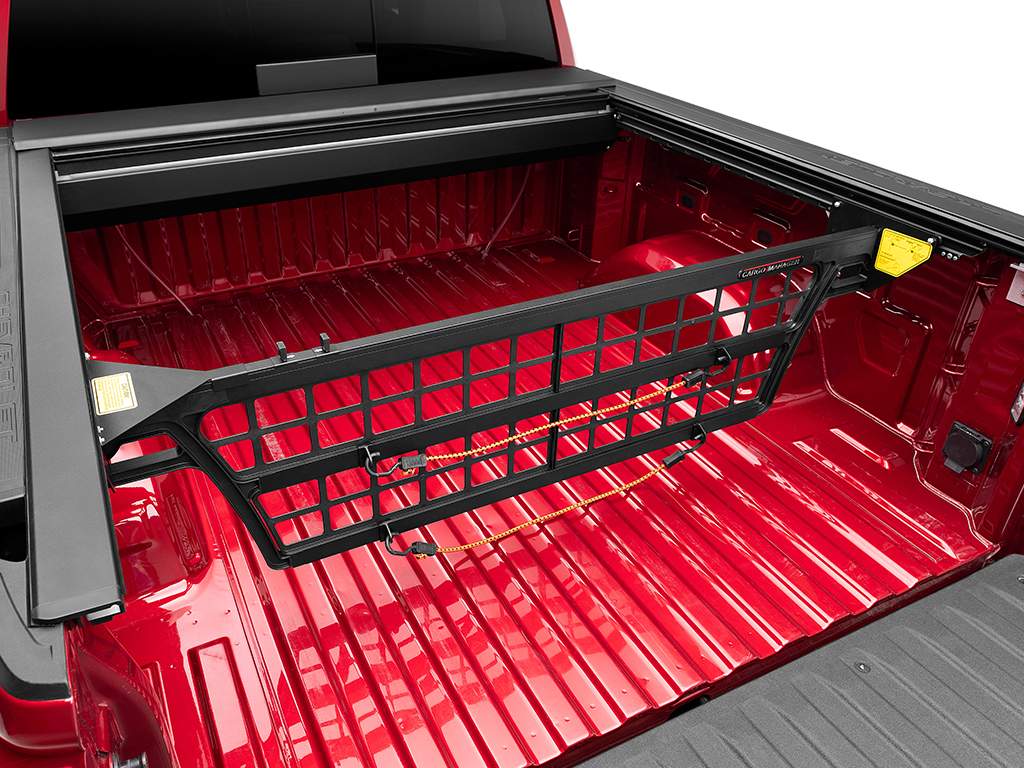
One of the most common frustrations for truck owners, particularly those with short-bed crew cab models, is the lack of just a few extra inches of space. This is where the concept of extending the enclosure proves invaluable. By utilizing a cage-like device that flips outward onto the open tailgate, the usable floor length is effectively increased by roughly two feet. This simple modification transforms a standard vehicle into one capable of safely transporting kayaks, motorcycles, or long dimensional lumber that would otherwise hang precariously. It provides a physical barrier at the rear, ensuring that extended loads remain contained within the vehicle's footprint rather than sliding out during acceleration.
However, the utility of these extenders is twofold. When not required for oversized loads, the device can be flipped inward into the closed bed. In this configuration, it creates a partitioned storage area near the tailgate. This is surprisingly effective for daily life—preventing grocery bags, propane tanks, or small tool bags from sliding all the way to the front of the cab, where they are difficult to retrieve. This ability to compartmentalize a large, open space solves the "rolling cargo" issue that plagues many drivers. It turns the vast, often unmanageable cavern of a truck bed into a organized, user-friendly trunk for everyday errands, proving that modifications can serve both extreme adventures and mundane tasks equally well.
Loading Heavy Gear Safely and Efficiently
Once the capacity to carry large items is established, the challenge shifts to loading them safely. Lifting heavy machinery like ATVs, motorcycles, or large lawn equipment into a high-riding truck is a recipe for injury or vehicle damage if done manually. High-strength loading ramps are the essential bridge between the ground and the tailgate. Modern aluminum variants are lightweight yet capable of supporting significant weight, often folding for compact storage alongside the cargo.
Safety during the loading process is paramount. The most effective ramps feature an arched design, which prevents the "high-centering" or bottoming out that occurs when a low-clearance bike transitions from the slope to the flat bed. Furthermore, securing the ramp to the vehicle with safety straps is a non-negotiable step; this prevents the ramp from kicking out under the torque of a driven wheel, which is a common cause of loading accidents. By selecting the appropriate width and weight capacity for the specific gear being hauled, owners can turn a two-person struggle into a smooth, solo operation. This capability not only protects the equipment and the truck but also significantly reduces physical strain on the driver.
Advanced Organization and On-Board Power
Vertical Storage and Modular Systems
For overland enthusiasts and contractors alike, floor space is premium real estate. Once the floor is full, the only way to go is up. Rack systems maximize utility by utilizing the vertical space above the bed rails. Constructed typically from engineered aluminum, these frameworks allow for the transport of rooftop tents, ladders, or kayaks without sacrificing the storage volume underneath. This "two-story" approach is particularly potent when combined with a compatible cover, allowing secure, dry storage for sensitive electronics below, while rugged outdoor gear rides on top.
The versatility of these systems lies in their modularity. Many utilize T-slot channels, allowing users to bolt on mounts for everything from recovery boards to high-lift jacks and water tanks. This customization extends to the interior walls of the bed as well, where grid-style panels can be mounted to hold pouches and tools, keeping the floor clear. For managing loose items, cargo nets and sliding drawer systems provide a way to organize gear that would otherwise become a chaotic pile. By compartmentalizing storage—walls for small tools, racks for bulk items, and drawers for easy access—the truck becomes a mobile command center rather than a simple haulage bin.
| Storage Solution | Ideal Application | Key Benefit |
|---|---|---|
| Ladder Rack (Steel) | Construction; Lumber hauling | Maximum weight capacity for heavy materials |
| Overland Rack (Aluminum) | Camping; Rooftop Tents | Lightweight; low center of gravity; T-slot modularity |
| Bedside Molle Panels | Tools; Recovery Gear; First Aid | Utilizes "dead" space on bed walls; quick access |
| Drawer Systems | Camera gear; Hunting/Fishing | Lockable, organized storage; easy pull-out access |
Electrifying the Workspace
Bringing electrical power to the rear of the vehicle fundamentally changes how the truck can be used. No longer just a transport vessel, it becomes a stationary power plant capable of running campsite lighting, charging drone batteries, or powering saws on a remote job site. This is achieved through the installation of heavy-duty inverters and power outlets. For campers, this means the ability to run a portable fridge continuously, keeping food fresh for days without ice. For professionals, it means keeping cordless tool batteries charged between jobs without cluttering the cabin.
Implementing this requires careful planning regarding moisture and battery health. Since the bed is exposed to the elements, any electrical interface must be marine-grade, featuring robust waterproofing and dust covers to prevent short circuits. Furthermore, power management is critical to avoid stranding yourself with a dead starter battery. Advanced setups utilize dual-battery systems separated by an isolator. This allows the accessories to draw from a secondary battery while the engine is off, ensuring the primary battery remains fully charged for starting the engine. Voltage monitors installed near the outlets provide real-time feedback, allowing users to manage consumption proactively. This electrical independence is the final piece of the puzzle in creating a truly autonomous, adventure-ready vehicle.
Q&A
-
What are the benefits of installing Tonneau Covers on a truck?
Tonneau covers provide several advantages for truck owners. They protect the truck bed and its contents from weather elements like rain and UV rays, enhancing security by keeping valuables out of sight. Additionally, they can improve fuel efficiency by reducing aerodynamic drag and offer a sleek, finished look to the truck.
-
How do Truck Bed Liners enhance the durability of a truck bed?
Truck bed liners act as a protective layer, preventing scratches, dents, and corrosion that can occur from hauling heavy or abrasive materials. They also provide a non-slip surface, which helps in keeping cargo stable during transit. With options like spray-on, drop-in, and bed mats, truck owners can choose the liner that best suits their needs and budget.
-
In what scenarios are Bed Extenders and Ramps most useful?
Bed extenders and ramps are particularly useful for truck owners who frequently transport oversized items or equipment. Bed extenders can increase the usable length of the truck bed, accommodating longer loads safely. Ramps facilitate easy loading and unloading of heavy machinery, motorcycles, or ATVs, making them essential for both work and recreational purposes.
-
What advantages do Storage Systems for Truck Beds offer?
Storage systems for truck beds provide organized and secure storage solutions for tools, equipment, and other essentials. They maximize the utility of the truck bed by offering compartments, drawers, and lockable boxes, ensuring that items are easily accessible and protected from theft or weather conditions. These systems are particularly beneficial for professionals who rely on their trucks for work.
-
Why are Truck Bed Racks important for outdoor enthusiasts?
Truck bed racks are vital for outdoor enthusiasts as they provide additional storage space for carrying gear such as bicycles, kayaks, or camping equipment. They offer versatile mounting options and can support heavy loads, making them ideal for long trips or adventures where space is limited inside the vehicle. This makes truck bed racks a practical addition for maximizing carrying capacity.
-
How do Power Outlets in Truck Beds enhance functionality?
Power outlets in truck beds add a significant level of convenience and functionality, especially for those who use their trucks for work or camping. They allow for the operation of power tools, charging of devices, and running of appliances directly from the truck bed. This feature is particularly useful in remote locations where access to electricity is limited, making it a valuable addition for both professionals and adventurers.