
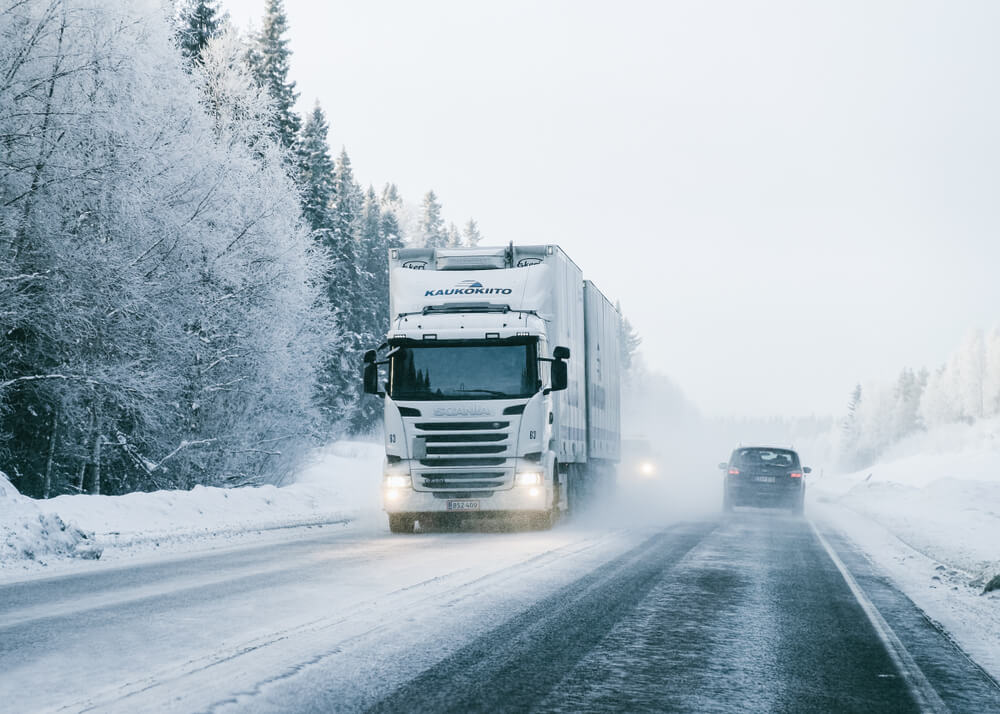
Fortifying Traction and Visibility
Optimizing Grip on Unforgiving Surfaces
For professional truck drivers, the most daunting aspect of winter hauling is undoubtedly the loss of friction. When a fully loaded rig encounters black ice or hard-packed snow, the physics of stopping change drastically. While wet roads might double your braking distance, icy surfaces can increase it by a factor of ten. To mitigate this risk, upgrading your vehicle’s point of contact with the road is the first line of defense. Standard all-season rubber often hardens when temperatures dip below freezing, turning hard and losing the ability to grip the pavement irregularities.
Transitioning to specialized cold-weather rubber compounds is a critical upgrade. These tires are designed to remain pliable in sub-zero temperatures, allowing the tread blocks to flex and bite into the snow. Beyond the rubber itself, the tread patterns are engineered with deeper grooves and sipes to evacuate slush and water more efficiently. However, tires alone are not a magic cure. For routes that traverse mountain passes or regions prone to heavy blizzards, high-quality tire chains are non-negotiable. Modern chains have evolved significantly; newer alloy models are lighter, more durable, and quicker to install than the heavy iron links of the past. Practicing installation in a dry, warm garage before the season starts can save valuable time and frozen fingers on the side of a highway.
| Feature | Standard All-Season Tires | Specialized Winter Compounds |
|---|---|---|
| Rubber Flexibility | Hardens below 45°F (7°C), reducing grip. | Remains soft and pliable in sub-zero temps. |
| Stopping Distance | Significantly longer on ice/snow. | Up to 25-30% shorter on snow/ice. |
| Tread Design | General purpose for rain/dry roads. | Aggressive sipes and deep grooves for snow packing. |
| Best Use Case | Mild climates with occasional rain. | Consistent freezing temps and snow coverage. |
Piercing Through the Winter Gloom
Visibility is often the first casualty of winter storms. Between limited daylight hours, blowing snow, and the "white wall" effect, a driver’s ability to perceive hazards is severely compromised. The standard halogen headlamps found on many older trucks may not provide sufficient throw or contrast in these conditions. upgrading to high-intensity LED lighting systems can drastically improve reaction times. LEDs provide a crisp, white light that mimics daylight, reducing eye strain during long nights. Furthermore, considering yellow or amber fog lights is a smart tactical move; unlike white light, which reflects off snowflakes and blinds the driver, yellow light cuts through the glare, highlighting the texture of the road surface.
Equally important is the ability to keep the windshield clear. Standard wiper blades often feature exposed metal hinges that can freeze solid, preventing the blade from contouring to the glass. This leaves dangerous streaks or untouched patches of ice right in your line of sight. Installing booted "beam" style blades, where the entire mechanism is enclosed in rubber, prevents ice buildup. Coupled with a heavy-duty washer fluid rated for extremely low temperatures, this ensures you can wash away salt spray without the fluid freezing on contact. Remember, if you cannot see, you cannot drive safely, no matter how good your tires are.
Mechanical Resilience in Sub-Zero Conditions
Ensuring Reliable Cold Starts
The engine is the heart of your operation, and extreme cold is its nemesis. When the mercury plummets, oil thickens into a molasses-like consistency, making it incredibly difficult for the engine to turn over. This places immense strain on the starter motor and the batteries, which are already weakened by the low temperatures. To prevent the dreaded silence when you turn the key, installing an engine block heater is one of the most effective modifications you can make. By keeping the coolant and engine block warm while parked, you ensure the oil remains fluid, allowing for immediate lubrication upon startup and significantly reducing engine wear.
Beyond the engine block, the fuel system requires attention. Diesel fuel is prone to "gelling" or waxing in freezing temperatures, which can clog fuel filters and starve the engine. Installing heated fuel water separators or inline fuel heaters can prevent this crystallization. Additionally, battery maintenance is paramount. Cold weather can sap a battery's cranking power by more than half. Upgrading to higher cold cranking amp (CCA) batteries or installing battery warmers (thermal blankets) ensures you have the electrical power needed to wake up a frozen rig. A truck that starts reliably is a truck that keeps the supply chain moving and keeps the driver safe from being stranded.
Battling Corrosion and Road Salt
While salt and chemical de-icers are essential for keeping highways clear, they are highly corrosive to your vehicle’s undercarriage and bodywork. The brine created by melting snow and salt mist is sprayed into every crevice of the chassis, accelerating rust on brake lines, air tanks, and electrical connections. To protect your investment, a rigorous washing schedule is necessary, but during a trip, passive protection is key. Applying anti-corrosion undercoatings before the season begins creates a sacrificial barrier against the elements.
Attention should also be paid to the cargo area. Moisture that seeps into small cracks in the bed or trailer floor can freeze and expand, widening those cracks and causing structural damage over time—similar to how potholes form on the road. Utilizing high-quality tonneau covers or ensuring trailer seals are intact prevents snow ingress. Treat paint chips immediately; in winter, a small scratch can turn into a rust blister in a matter of weeks. By keeping the corrosive sludge at bay, you extend the operational life of the vehicle and maintain its resale value.
Cabin Comfort and Survival Preparedness
Upgrading Interior Climate Control
For long-haul drivers, the cab is not just a workspace; it is a bedroom and living room. Traditionally, drivers would idle their engines to keep the heater running during rest breaks, but this is inefficient, noisy, and increases engine wear. A superior solution is the installation of an auxiliary air heater, often called a parking heater. These compact units run off the truck’s fuel supply but use a fraction of the fuel compared to an idling engine. They operate quietly, allowing for deep, restorative sleep without the vibration and rumble of the main engine.
Furthermore, these heaters provide dry heat, which is crucial for moisture management. Winter cabins can easily become damp from wet boots and condensation on cold windows, leading to mold and a bone-chilling atmosphere. A high-quality parking heater circulates warm, dry air, drying out wet gear and keeping the windows clear of frost on the inside. A well-rested driver who has slept in a warm, dry environment is significantly more alert and safer on the road than one who has shivered through the night or been disturbed by a noisy engine.
The Ultimate "Just in Case" Strategy
Despite the best preventative maintenance, the unpredictable nature of winter means that getting stuck or breaking down is always a possibility. When a blizzard hits and you are miles from the nearest town, your cab becomes your survival capsule. A standard roadside kit is insufficient; you need a winter-specific survival loadout. This goes beyond a reflective vest and a flashlight. You must assume you might be stationary without engine power for 24 hours or more.
Your kit should include sub-zero rated sleeping bags or heavy wool blankets, as the cab will lose heat rapidly once the engine dies. High-calorie, non-perishable food and a supply of water (kept inside the cab so it doesn't freeze) are vital for maintaining body heat and energy. Additionally, consider traction aids for self-rescue. A bag of coarse sand, kitty litter, or traction mats can provide just enough grip to get moving if you spin out on a slick patch. Being prepared for the worst-case scenario transforms a potentially life-threatening situation into a manageable inconvenience.
| Category | Essential Gear | Purpose |
|---|---|---|
| Personal Warmth | -0°F Sleeping Bag, Thermal layers, Hand warmers | Prevents hypothermia if heat fails. |
| Sustenance | Energy bars, Dried fruit, Thermos of water | Maintains metabolism to generate body heat. |
| Visibility | High-vis vest, LED flares, Headlamp | Ensures you are seen during repairs/waiting. |
| Self-Rescue | Folding shovel, Bag of sand/litter, Tow strap | Helps dig out or gain traction on ice. |
Q&A
-
What are the benefits of using winter tires for trucks during the cold season?
Winter tires for trucks are specifically designed to handle low temperatures and icy conditions. They provide superior grip and traction on snow-covered roads, which enhances safety by reducing the risk of skidding and improving braking performance. Additionally, their unique tread patterns are effective in channeling snow and slush away from the tire, ensuring better road contact and vehicle stability.
-
How can snow plow installation be optimized for trucks?
To optimize snow plow installation for trucks, it's essential to choose a plow that matches the truck's size and weight capacity. This ensures efficient snow removal without straining the vehicle's suspension system. Proper installation involves securing the plow frame to the truck's chassis and ensuring hydraulic systems are correctly connected for smooth operation. Regular maintenance checks are also crucial to ensure the plow's functionality and safety.
-
Why are engine block heaters important for trucks in winter?
Engine block heaters are crucial for trucks operating in cold climates as they pre-warm the engine before starting. This reduces engine wear, improves fuel efficiency, and ensures quicker engine startup. By maintaining a suitable engine temperature, block heaters also reduce emissions during cold starts and prevent the thickening of engine oil, which can otherwise hinder lubrication and lead to increased engine stress.
-
What are the advantages of cab heater upgrades for trucks?
Upgrading cab heaters in trucks provides enhanced comfort for drivers during long winter hauls. Modern cab heaters offer better heat distribution and faster warm-up times, which are essential for maintaining driver alertness and reducing fatigue. Some advanced systems also integrate with the truck's climate control, allowing for precise temperature adjustments and improved energy efficiency.
-
How can emergency kits be tailored for truck winter driving?
Emergency kits for truck winter driving should include items tailored to the unique needs of truckers on long routes. Essential components include thermal blankets, high-calorie snacks, water, a first aid kit, a flashlight, and extra batteries. Additionally, tools for vehicle maintenance such as a portable shovel, traction aids (like sand or cat litter), jumper cables, and tire chains are vital for dealing with roadside emergencies and ensuring safe travel during severe weather conditions.