
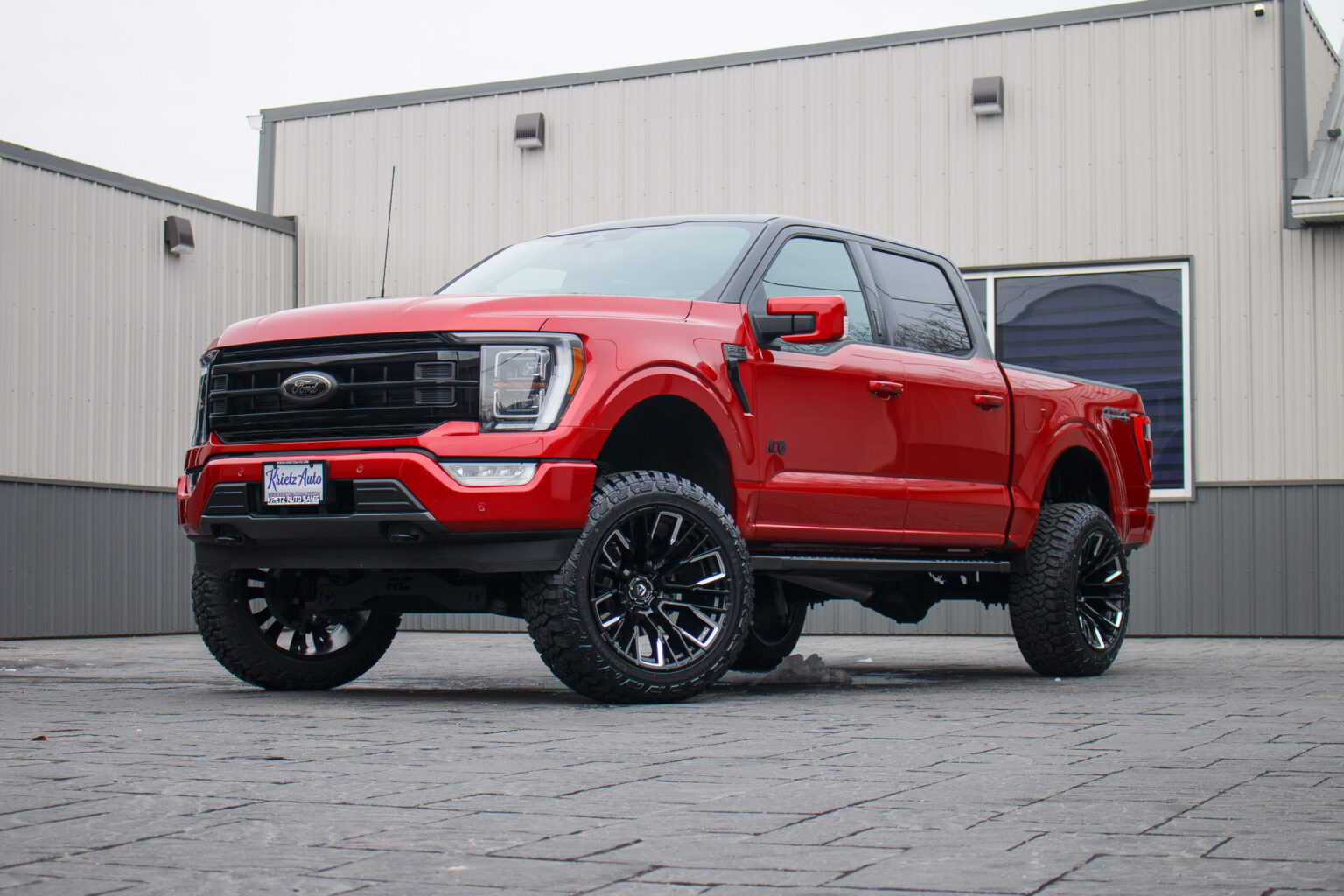
Curating the Visual Identity: Paint and Finish
The Strategy of Color and Texture Selection
When embarking on a project to personalize a vehicle, the selection of body color serves as the foundational declaration of the owner's intent. Unlike selecting a standard shade from a dealership brochure, opting for a custom color palette allows for a narrative that reflects personal aspirations and lifestyle. For instance, choosing deep, rich metallic tones can imbue the vehicle with a sense of gravity and sophistication, creating a commanding presence that feels at home in upscale urban environments. Conversely, vibrant solid colors or pastel hues often signal an active, adventurous spirit, projecting energy and playfulness to anyone who sees the rig.
Beyond the hue itself, the texture—or the "finish"—has become a pivotal element in modern styling. A significant trend in the community is the shift toward matte or satin finishes. These non-reflective surfaces do more than just look unique; they accentuate the structural lines and muscular form of the truck, highlighting its utilitarian nature. A satin charcoal or olive drab can make a vehicle look like a piece of tactical gear. On the other end of the spectrum, a high-gloss, mirror-like finish remains the gold standard for those seeking a classic, luxurious aesthetic. Deciding between a rugged, light-absorbing surface and a gleaming, reflective one effectively sets the theme for the entire build, determining whether the truck leans towards "wild off-roader" or "street luxury."
Artistic Detailing and Accents
While the primary body color sets the stage, it is the detailed accent work that truly distinguishes a bespoke build from a factory model. Techniques such as two-tone color schemes are seeing a resurgence, blending retro nostalgia with modern body shapes. Separating the upper and lower sections of the body with contrasting colors can break up the visual mass of a large truck, adding a layer of design complexity that feels both vintage and fresh.
Furthermore, the inclusion of hand-painted pinstripes or subtle, custom graphics adds a human touch to an otherwise mechanical beast. These artisanal elements act as a quiet assertion of the owner's taste. Whether it is a ghosted graphic that only appears under direct sunlight or a bold stripe that accentuates the hood line, these "finishing touches" transform a mass-produced vehicle into a singular piece of rolling art. Over time, these specific details foster a deeper connection between the driver and the machine, as they represent thoughtful choices rather than off-the-shelf solutions.
Engineering Stance and Drivability
Elevating Clearance and Suspension Dynamics
The silhouette of a truck is largely defined by its stance, and adjusting the suspension is often the first mechanical step in a comprehensive build. Factory trucks typically come with a "rake"—where the nose is lower than the rear—to accommodate heavy hauling. For the enthusiast, correcting this with a leveling kit brings the front end up to match the rear, instantly giving the vehicle a more aggressive, balanced look. For those seeking more dramatic changes, a full lift kit raises the entire chassis, providing the necessary clearance to fit significantly larger, more aggressive tires.
However, altering the height is about more than just fitting big rubber; it is about functional capability. Increased ground clearance allows the vehicle to tackle rocky trails, deep ruts, and mud without damaging the undercarriage. It transforms the truck from a pavement-bound hauler into a versatile explorer. The key is to select a height that complements the intended use—whether that is rock crawling or simply navigating urban potholes with authority—ensuring that the modifications support the driver's lifestyle rather than hindering it.
| Suspension Upgrade | Primary Function | Best Application | Visual Impact |
|---|---|---|---|
| Leveling Kit | Raises the front to match the rear height. | Daily driving, light off-roading, removing factory rake. | Balanced stance; allows slightly larger tires. |
| Lift Kit | Raises both front and rear significantly. | Technical off-roading, rock crawling, deep mud. | Aggressive, dominating height; fits maximum tire size. |
| Air Suspension | Adjustable ride height and load support. | Towing heavy loads, varying load weights. | Variable stance; maintains level ride under load. |
Component Upgrades and Exterior Protection
Achieving height is only half the battle; maintaining ride quality and protecting the bodywork are equally critical. Simply lifting a truck can shift its center of gravity and negatively affect handling if the supporting components are not upgraded. High-performance shock absorbers and aftermarket control arms are essential to manage the increased suspension travel and heavier tires. Advanced link systems can optimize geometry, ensuring that the truck tracks straight on the highway while offering maximum articulation on the trail. For those who tow, integrating air bags prevents rear-end sag, keeping the vehicle level and safe under load.
With a wider stance and aggressive tread patterns, tires often protrude beyond the factory wheel wells. This creates a risk of "roost"—mud and rocks thrown up by the tires damaging the paint. Installing aftermarket fender flares is the practical solution. Modern flares come in various styles, from bolt-on "pocket" styles to sleek, paint-matched versions. They serve a dual purpose: expanding the vehicle's width to legally cover the tires and acting as a sacrificial shield against debris. This combination of mechanical reinforcement and physical protection ensures the truck is not just a showpiece, but a capable tool ready for abuse.
The Digital and Acoustic Cabin Experience
Modernizing Infotainment and Connectivity
Stepping into the cabin, the most immediate indicator of a modernized truck is the interface. Factory screens in older or lower-trim models can feel undersized and sluggish. Upgrading to a large-format, high-definition touchscreen—often in the 12-inch range—drastically alters the interior atmosphere, bridging the gap between a work truck and a modern luxury vehicle. These systems are not merely about size; they serve as the central nervous system for the driver.
Crucially, modern aftermarket units prioritize seamless connectivity. Features like wireless smartphone integration allow drivers to access navigation, music streaming, and messaging apps without the clutter of cables. By utilizing kits designed to retain factory steering wheel controls and backup cameras, the installation feels native rather than foreign. This level of digital integration ensures that the driver has instant access to critical information and entertainment, mirroring the intuitive experience found in the latest high-end consumer electronics.
Sonic Depth and Communication Clarity
While the roar of the engine is music to some, the audio experience inside the cabin requires a different kind of tuning. Trucks present unique acoustic challenges, often plagued by road noise and wind resistance. A common frustration is the poor quality of Bluetooth calls, where background noise drowns out the driver's voice. Replacing the factory microphone with a high-gain, noise-canceling unit—often designed to fit directly into the OEM location—can radically improve communication, ensuring professional-grade call quality even at highway speeds.
On the entertainment front, adding depth to the soundstage changes a drive from a commute to an experience. Many owners assume that adding bass requires cutting wires and losing storage space, but plug-and-play solutions have changed the game. "T-harnesses" allow for the integration of subwoofers and amplifiers without splicing into the factory wiring harness. Combined with vehicle-specific subwoofer enclosures that tuck under or behind seats, it is possible to achieve rich, powerful bass that fills the large cabin volume. This approach respects the vehicle's electrical integrity while delivering a concert-like audio performance.
Illumination and Interior Utility
Advanced Lighting for Safety and Style
Visibility is paramount, both for seeing the trail and being seen by others. The transition from halogen to LED technology is standard practice, but the execution matters. Modern LED headlight assemblies offer superior brightness and longevity, and "plug-and-play" designs have simplified installation. However, sophisticated trucks often require system calibration or "coding" to prevent flickering and ensure that the vehicle's computer recognizes the lower-draw lights. This digital harmonization is as important as the physical installation.
Beyond headlights, auxiliary lighting enhances both form and function. Roof-mounted cab lights, once simple amber markers, now feature switchback technology, shifting between white running lights and amber turn signals. Similarly, "flush-mount" LED tail lights are gaining popularity among off-roaders. Unlike protruding factory lights that can catch on branches, these sit flush with the body panels, reducing the risk of breakage while offering powerful reverse lighting capabilities—a massive benefit when maneuvering in dark campsites.
| Lighting Zone | Upgrade Type | Key Benefit |
|---|---|---|
| Headlights | LED Projector Conversion | vastly improved night vision and modern aesthetic. |
| Tail Lights | Flush-Mount LED | Damage resistance on trails and high-output reversing light. |
| Roof/Cab | Switchback LED Markers | Increased visibility to other drivers; dual-color styling. |
| Grille/Bumper | Accent/Fang Lights | Unique visual signature and supplemental bad-weather visibility. |
Tactile Comfort and Cargo Management
The driver's connection to the vehicle begins at the hands. The steering wheel, often worn or utilitarian in stock form, offers a prime opportunity for tactile upgrade. Replacing it with a contoured, carbon fiber or leather-wrapped wheel improves grip and adds a distinct racing or luxury feel every time you drive. Complementing this, dashboard protection mats reduce glare and prevent UV damage, preserving the interior for the long haul.
Finally, a custom build must retain its utility. The cargo area and floorboards are high-traffic zones prone to dirt and damage. Laser-measured, 3D-fit cargo liners and floor mats are indispensable. Unlike generic mats, these lock into the specific contours of the floor, trapping mud, snow, and spills before they reach the carpet. This level of protection means the truck can be used hard—hauling gear, pets, or tools—and then easily cleaned to showroom condition. Balancing high-end aesthetics with this rugged practicality is the hallmark of a well-executed custom truck.
Q&A
-
What are the benefits of performance tuning for trucks?
Performance tuning for trucks can significantly enhance the vehicle's power, efficiency, and overall drivability. By adjusting the engine's parameters, owners can achieve better fuel economy, increased horsepower, and torque. This process also allows for a more responsive throttle and smoother transmission shifts, which can be particularly beneficial for towing and off-road conditions.
-
How does custom paint and wraps improve a truck's appearance?
Custom paint and wraps offer a unique way to personalize a truck's exterior, making it stand out on the road. This customization allows owners to express their personal style or brand identity with specific colors, designs, or logos. Additionally, wraps can protect the original paint from minor scratches and UV damage, preserving the truck's resale value.
-
What are the advantages of suspension customization for trucks?
Suspension customization can enhance a truck's handling, ride comfort, and off-road capabilities. By modifying the suspension system, owners can achieve a higher ground clearance, accommodate larger tires, and improve the vehicle's stability on uneven terrain. This customization is particularly useful for trucks used in off-roading or heavy-duty applications.
-
Why are audio system upgrades popular among truck enthusiasts?
Audio system upgrades are popular because they significantly improve the in-cabin entertainment experience. Upgrading components like speakers, amplifiers, and head units can result in clearer sound quality, deeper bass, and overall better audio performance. For truck enthusiasts who spend long hours driving, a high-quality audio system can make the journey more enjoyable.
-
What should be considered when planning lighting modifications for trucks?
When planning lighting modifications, it's important to consider both functionality and legality. Enhanced lighting, such as LED bars or custom headlights, can improve visibility and safety during nighttime or adverse weather conditions. However, it's crucial to ensure that these modifications comply with local regulations to avoid fines or safety issues. Additionally, selecting the right type of lighting for specific driving needs, such as off-roading or highway driving, is essential.