
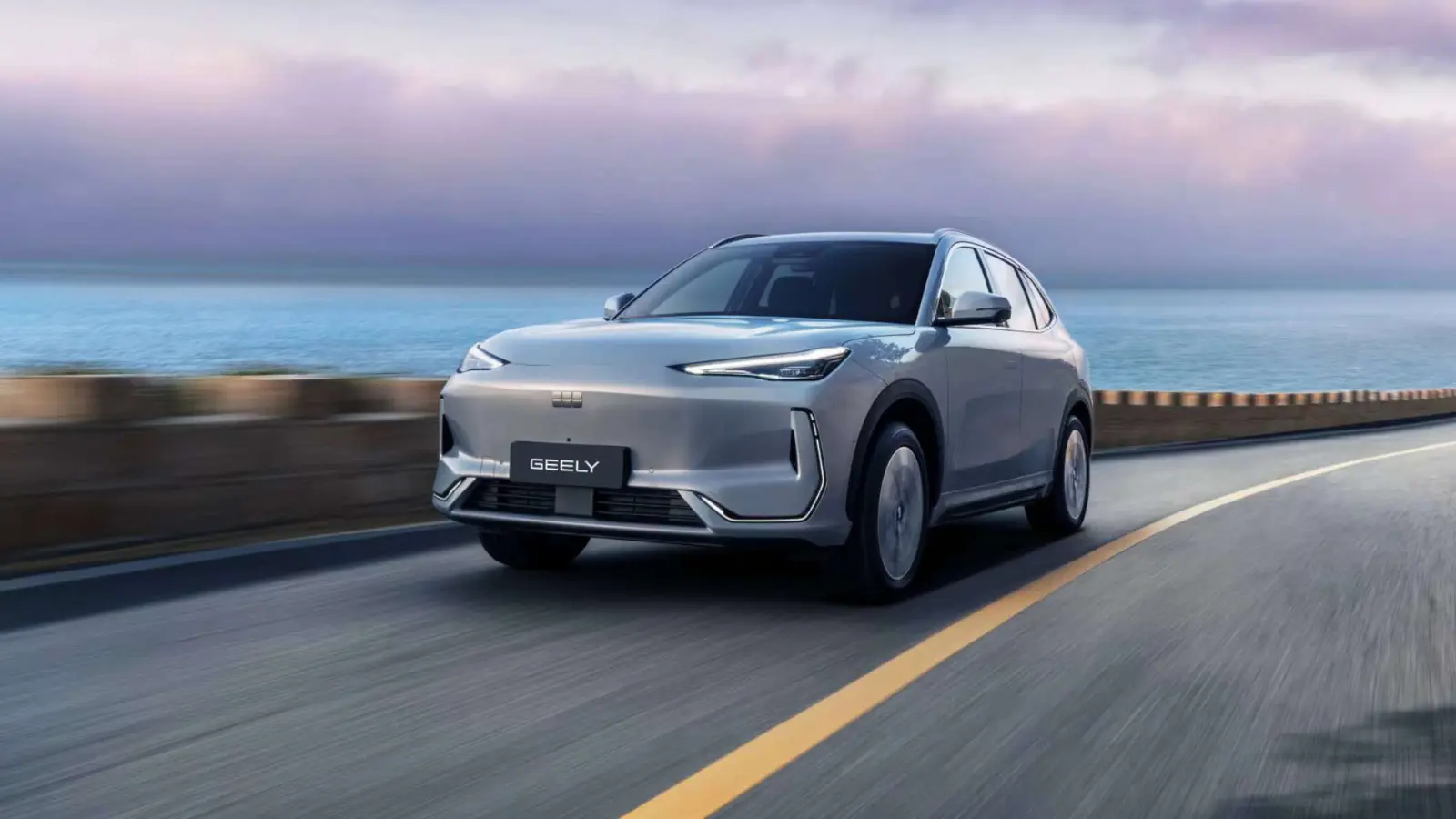
The Neural Network of Electric Mobility
Instant Response and Sensor Fusion
The transition from internal combustion engines to electric powertrains is not merely a change in fuel; it represents a fundamental shift in how vehicles communicate with their physical environment. Electric motors possess a distinct advantage over traditional engines: they respond to digital signals almost instantaneously. This characteristic makes electric vehicles (EVs) the ideal host for advanced intelligent systems. When a central computer decides to adjust speed or torque, the electric motor executes the command within milliseconds, creating a seamless link between digital thought and physical action.
This "nervous system" is fed by a complex array of sensory inputs. Modern EVs are equipped with a fusion of cameras, radar, and LiDAR (Light Detection and Ranging) that function as a superhuman set of eyes. Unlike a human driver, whose attention can drift, these sensors provide 360-degree surveillance, penetrating through fog, rain, and darkness. The system integrates these data points to build a real-time, three-dimensional map of the surroundings. For instance, in complex urban environments, the vehicle can detect a pedestrian stepping off a curb or a cyclist in a blind spot long before they become visible to the driver. By processing this information instantly, the car allows for smoother steering inputs and precise braking, mirroring the reflexes of a highly trained professional. This synergy between the electric drive unit and high-speed data processing is the foundation of next-generation safety and autonomy.
Beyond Human Perception
Driving at night or in adverse weather conditions has always been a source of stress and danger, but intelligent systems are systematically dismantling these risks. The integration of high-definition sensors allows the vehicle to "see" beyond the visual spectrum. Thermal imaging and advanced radar can detect obstacles on unlit roads or assess surface conditions that appear normal to the naked eye, such as black ice.
This capability shifts the safety paradigm from reactive to proactive. Instead of waiting for the vehicle to slide to activate stability control, the system analyzes localized weather data and road surface texture to anticipate a loss of traction. It can then subtly adjust power distribution to individual wheels or suggest a safer travel lane before the driver is even aware of the hazard. Furthermore, through Vehicle-to-Everything (V2X) communication, cars can share this critical data with other nearby vehicles and infrastructure. If a car two miles ahead performs an emergency stop, your vehicle knows immediately, preparing the brakes and alerting you to the slowdown. This collective intelligence effectively extends the driver’s horizon, transforming individual cars into a cooperative network that enhances safety for everyone on the road.
Optimizing Every Watt Through Foresight
Intelligent Terrain and Traffic Management
One of the most significant anxieties for EV owners has historically been range, but artificial intelligence is rapidly rendering this concern obsolete through smart resource management. Rather than simply reacting to the road as it appears, modern systems look ahead—literally and digitally. By cross-referencing high-resolution topographic maps with real-time traffic flows, the vehicle can calculate the most energy-efficient driving strategy for the entire route.
For example, if the system anticipates a long downhill stretch approaching, it may advise or automatically execute a strategy to expend slightly more energy climbing the preceding hill, knowing it can recoup that charge through regenerative braking on the descent. Similarly, in stop-and-go traffic, the vehicle can smooth out the erratic acceleration and braking patterns typical of frustrated human drivers. By maintaining a calculated distance and adjusting speed based on the flow of the entire traffic column rather than just the car immediately ahead, the system minimizes energy waste. This capability transforms the drive into a mathematically optimized glide, significantly extending the effective range of the battery without requiring any conscious effort from the driver.
| Feature | Conventional Driving | AI-Assisted Efficiency |
|---|---|---|
| Acceleration | Often rapid and inconsistent based on driver mood. | Smooth, calculated gradients to minimize power spikes. |
| Braking | Reactive, often wasting kinetic energy as heat. | Predictive regenerative braking timed to maximize energy recovery. |
| Route Planning | Based on shortest distance or time. | Based on energy topology, avoiding energy-intensive inclines. |
| Traffic Response | Frequent stop-and-start, increasing consumption. | Pace adjustment to maintain momentum and reduce stops. |
Anticipating Traffic Flow and Signal Patterns
The efficiency of an electric vehicle is heavily influenced by how often it must stop and start. Advanced algorithms now allow vehicles to "talk" to smart city infrastructure, such as traffic lights. By knowing the exact timing of signal cycles, the car can advise the driver on the optimal speed to arrive at the next intersection exactly when the light turns green. This "Green Wave" driving style drastically reduces the need to brake to a standstill, conserving momentum and energy.
Furthermore, on highways, platooning technology allows vehicles to communicate and drive in close formation. By synchronizing speed and following distance with millisecond precision, the trailing vehicles can utilize the slipstream of the lead vehicle to reduce aerodynamic drag. This cooperative driving behavior, managed entirely by software, can result in significant energy savings for long-haul travel. It represents a shift from competitive driving—where each car fights for space—to cooperative mobility, where data sharing leads to mutual efficiency gains.
The Vehicle That Grows with You
Predictive Care and Over-the-Air Evolution
The traditional automotive ownership model dictates that a car is at its technological peak the moment it leaves the dealership and degrades thereafter. Intelligent EVs have inverted this concept. Much like a smartphone, these vehicles are software-defined, capable of receiving Over-the-Air (OTA) updates that enhance functionality, improve efficiency, and even unlock new performance capabilities years after purchase. A vehicle might wake up one morning with a more refined regenerative braking algorithm or an improved interface, keeping the driving experience fresh and current.
Beyond feature updates, intelligence plays a crucial role in maintenance. We are moving away from the "fix it when it breaks" model to a "predict and prevent" approach. The vehicle's internal sensors continuously monitor the health of critical components, such as battery cell voltage, motor temperature, and tire wear. By analyzing distinct patterns and anomalies in this data, the system can forecast potential failures before they occur.
| Maintenance Aspect | Traditional Approach | Intelligent Predictive Approach |
|---|---|---|
| Service Schedule | Fixed intervals (e.g., every 6 months) regardless of usage. | Condition-based, triggered only when data indicates necessity. |
| Breakdowns | Unforeseen failures causing roadside delays. | Early warnings allowing for scheduled, preventative repairs. |
| Component Life | Parts replaced after failure or based on rough estimates. | Parts utilized to their full safe lifespan based on real-world wear data. |
| Diagnostics | Requires a physical visit to a mechanic for analysis. | Continuous remote self-diagnosis and reporting to the owner. |
This proactive monitoring ensures that the vehicle remains in peak condition, protecting the longevity of the battery and ensuring safety. It provides owners with a profound sense of security, knowing that their vehicle is actively self-diagnosing and managing its own health, ultimately reducing the total cost of ownership and minimizing unexpected downtime.
Q&A
-
What is Predictive Energy Consumption and how does it benefit electric vehicles?
Predictive Energy Consumption refers to the use of algorithms and data analysis to forecast the energy needs of electric vehicles (EVs). By predicting factors such as route, driving style, and environmental conditions, it helps in optimizing battery usage, enhancing range, and reducing the risk of running out of power unexpectedly. This technology is crucial for improving the efficiency and reliability of EVs.
-
How does Adaptive Cruise AI improve the driving experience?
Adaptive Cruise AI enhances the driving experience by automatically adjusting the vehicle's speed to maintain a safe distance from the car ahead. It uses real-time data from sensors and cameras to adapt to changing traffic conditions, providing a smoother and more efficient drive. This technology reduces driver fatigue and increases safety by minimizing the need for manual speed adjustments.
-
What role does Autonomous Lane Positioning play in vehicle safety?
Autonomous Lane Positioning uses sensors and cameras to keep the vehicle centered in its lane without driver intervention. This technology increases safety by preventing unintentional lane drifting and reducing the risk of collisions. It is especially beneficial on highways and in heavy traffic, where maintaining a steady lane position is crucial.
-
How can Driver Behavior Modeling be used to enhance vehicle performance?
Driver Behavior Modeling involves analyzing a driver's habits and patterns to optimize vehicle performance. By understanding how a driver accelerates, brakes, and navigates, the vehicle's systems can adjust settings to improve fuel efficiency, battery life, and overall safety. This personalized approach helps in creating a more responsive and efficient driving experience.
-
What are Traffic Anticipation Algorithms and how do they work?
Traffic Anticipation Algorithms predict traffic patterns and potential roadblocks by analyzing historical and real-time data. These algorithms help in optimizing route planning and reducing travel time by suggesting alternative paths or adjusting speed proactively. By anticipating traffic conditions, vehicles can improve efficiency and reduce stress for drivers.
-
In what ways can Battery Life Forecast AI impact the development of electric vehicles?
Battery Life Forecast AI predicts the lifespan and performance of a vehicle's battery by analyzing usage patterns, charging habits, and environmental factors. This information is critical for manufacturers and consumers, as it aids in improving battery design, extending battery life, and planning maintenance schedules. Enhanced battery management leads to more reliable and cost-effective electric vehicles.