
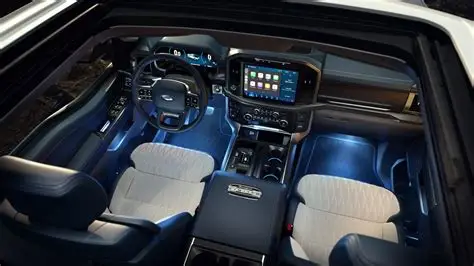
Redefining the Driver’s Throne
Beyond Basic Utility: The Rise of Ergonomic Support
When you slide into the driver’s seat of a contemporary truck, the immediate sensation is one of unexpected refinement. The seating architecture has evolved far beyond the simple foam slabs of the past. Engineers now treat the driver's seat not merely as a place to sit, but as a critical component of fatigue management. Modern seats feature multi-contour designs that cradle the spine, utilizing high-density foams that strike a delicate balance between plush comfort and firm support necessary for stabilizing the body during cornering or off-road maneuvers. The materials used have also seen a significant upgrade; where durable but hard vinyl once reigned supreme, we now see stain-resistant fabrics and premium leathers that offer breathability and a soft touch without sacrificing longevity.
A crucial aspect of this evolution is the thoughtful layout of the control interface. While the trend in the automotive world leans heavily toward virtualization, truck designers understand the practical realities of their users. Consequently, you will often find a hybrid approach to the dashboard layout. Essential functions like volume control, climate adjustments, and drive-mode selectors retain physical, tactile knobs and oversized buttons. This design choice is intentional, allowing operators wearing heavy work gloves to make adjustments without fumbling. It also promotes safety by enabling "muscle memory" operation, letting the driver adjust settings without taking their eyes off the road. The result is a cockpit that feels intuitive and robust, providing a sense of control that purely digital interfaces often lack.
The Fusion of Information and Entertainment
The visual centerpiece of the modern cabin is undoubtedly the infotainment system, which has grown in both size and capability. Center consoles are now dominated by expansive, vertical touchscreens that rival premium tablets in resolution and responsiveness. However, these screens are more than just digital billboards; they serve as the nerve center for the vehicle's connectivity. Wireless integration with smartphones has become a standard expectation, eliminating the clutter of cables and allowing for seamless access to navigation, music streaming, and communication apps. This level of connectivity transforms the truck from a mere transport vessel into an extension of one’s digital life, ensuring that work and personal connections remain uninterrupted even in remote locations.
To illustrate how the interface landscape has shifted, the following comparison highlights the balance between traditional utility and modern tech:
| Feature Category | Traditional Approach | Modern Integrated Solution |
|---|---|---|
| Primary Interface | Analog gauges and small monochromatic readouts. | Customizable digital clusters and large central touchscreens. |
| Control Input | Mechanical levers and stiff resistance buttons. | Capacitive touch with haptic feedback mixed with rotary dials. |
| Connectivity | Aux cables or basic Bluetooth for calls only. | Wireless mirroring, 4G/5G Wi-Fi hotspots, and cloud sync. |
| Navigation | Paper maps or aftermarket standalone units. | Real-time traffic, topographical mapping, and trail guidance. |
| Audio Quality | Basic stereo speakers focused on volume. | Premium branded systems with noise compensation technology. |
This technological leap extends to the auditory experience as well. Advanced sound insulation and acoustic glass have drastically reduced wind and tire noise, creating a sanctuary of silence previously unimaginable in this segment. This quiet foundation allows premium audio systems to shine, delivering concert-hall quality sound that makes long hauls significantly more enjoyable.
Intelligent Organization and Space Management
Hidden Compartments and Modular Layouts
As trucks are increasingly used for both family adventures and professional contracting, the demand for intelligent storage has skyrocketed. The modern cabin utilizes every cubic inch of space, turning potential dead zones into secure storage solutions. One of the most significant advancements is found in the rear seating area. In many models, the rear seat bottoms fold up against the seatback, revealing a completely flat load floor. This is ideal for transporting large items like flat-screen TVs, camping gear, or toolboxes that need to stay dry and secure inside the cab rather than in the exposed bed.
Furthermore, storage has become highly specialized. Manufacturers now include lockable storage bins beneath the rear seats or integrated into the floor itself, providing a safe haven for expensive tools or laptops. The center console has also evolved into a cavernous, multi-functional space. It is often designed to accommodate hanging file folders for business documents or is large enough to conceal a full-sized laptop. Some designs even feature work surfaces that fold out from the armrest, creating a stable desk for signing invoices or typing on a computer. These "hidden utility" features ensure that the cabin remains clutter-free and aesthetically pleasing, even when fully loaded with the gear required for a week-long trip or a heavy job.
Powering the Modern Nomad
The integration of power supply options has fundamentally changed how passengers interact with the vehicle. Recognizing that modern users travel with an arsenal of battery-powered devices, interiors are now equipped with a plethora of charging points. USB-A and USB-C ports are strategically placed not just for the driver, but for every passenger, ensuring that tablets, phones, and gaming devices remain charged. Beyond simple device charging, many trucks now feature household-style AC power outlets capable of running laptops, power tool chargers, or even small appliances.
This power capability supports the growing trend of "overlanding" and vehicle-based camping. With the ability to power devices without idling the engine—thanks to advanced battery management systems or hybrid power trains—the truck cabin becomes a viable mobile basecamp. Drivers can run portable fridges or recharge drone batteries while parked at a scenic overlook. The attention to detail extends to accessory integration as well; switch banks for aftermarket lights and winches are often pre-wired into the dashboard, saving owners from drilling holes or running messy aftermarket wiring. This foresight allows the vehicle to adapt to the owner's lifestyle, whether that involves managing a construction site or exploring the wilderness.
Mastering the Cabin Climate
Voice Control and Personalized Atmospheres
The evolution of climate control in heavy-duty vehicles represents a significant leap in comfort technology. No longer limited to a simple hot/cold dial, modern systems employ sophisticated sensors and logic to maintain a perfect atmosphere. A standout feature in the latest generation of interiors is the integration of advanced voice recognition for climate adjustments. Drivers can simply speak commands like "I'm cold" or "Set temperature to 70 degrees," and the system responds instantly. This hands-free capability is a major safety enhancement, allowing the driver to regulate their environment without taking their hands off the wheel or their eyes off the road.
Moreover, the granularity of control has improved immensely. Dual-zone and even tri-zone climate systems allow passengers to tailor their individual microclimates. A driver who prefers a cool breeze to stay alert can operate independently of a passenger who wants a warm, cozy environment to sleep in. This is complemented by the rapid adoption of heated and ventilated seats, not just in the front row, but increasingly in the rear as well. Combined with heated steering wheels, these features ensure that the cabin is welcoming regardless of whether it is a freezing winter morning or a scorching summer afternoon.
Acoustic Engineering and Ride Quality
The perception of comfort is deeply tied to the vehicle's ride quality and acoustic signature. Historically, heavy-duty suspension systems designed for towing resulted in a jarring, stiff ride when the vehicle was empty. However, modern engineering has solved this paradox through the use of sophisticated multi-link rear suspensions and air-ride technologies. These systems isolate the cabin from road imperfections, delivering a smoothness that rivals luxury sedans. This mechanical compliance is critical for reducing driver fatigue over long distances, smoothing out the vibrations that physically wear down the body over time.
To further understand how interior features contribute to decision-making, consider the following breakdown of comfort priorities:
| Priority Factor | Feature Implementation | User Benefit |
|---|---|---|
| Thermal Comfort | Independent zone climate control & ventilated seats. | Prevents fatigue caused by overheating or freezing during long drives. |
| Visual Ease | Ambient interior lighting & anti-glare screens. | Reduces eye strain at night and improves instrument readability. |
| Physical Support | Multi-way power adjustable seats with lumbar memory. | Minimizes back pain and allows for quick driver changes. |
| Acoustic Peace | Active noise cancellation & laminated acoustic glass. | Lowers stress levels by blocking engine drone and wind noise. |
| Air Quality | HEPA-grade cabin air filtration systems. | Protects passengers from dust and allergens on job sites or trails. |
Ultimately, the goal of these technologies is to create a "sanctuary" effect. When the door closes, the harsh noise of the construction site or the roar of the highway is shut out. What remains is a quiet, temperature-controlled, and physically supportive environment. This separation from the external elements allows the driver to focus purely on the task of driving, supported by a suite of automated assistants that monitor blind spots and maintain lane position. It is this combination of active safety, passive comfort, and acoustic isolation that defines the new standard for truck interiors.
Q&A
-
What are the main differences between a Crew Cab and an Extended Cab?
Crew Cab trucks typically offer more interior space, with full-sized rear doors and ample legroom, making them ideal for families or work teams needing to transport multiple passengers. Extended Cabs, on the other hand, feature smaller rear doors and limited rear seat space, which may be more suitable for occasional passenger transport or those prioritizing cargo bed length over cabin space. -
What are some innovative in-car workspace options available in modern trucks?
Modern trucks offer a variety of in-car workspace solutions, such as foldable center consoles that transform into writing surfaces, integrated power outlets for charging devices, and wireless connectivity for laptops and tablets. These features allow drivers and passengers to efficiently manage work tasks while on the road. -
How do advanced infotainment systems enhance the driving experience in trucks?
Advanced infotainment systems in trucks provide a range of features, including large touchscreens, voice-activated controls, and seamless smartphone integration. These systems offer navigation, music streaming, and hands-free communication, enhancing convenience and safety by allowing drivers to keep their focus on the road. -
Why is heavy-duty climate control important in trucks?
Heavy-duty climate control systems are crucial in trucks to maintain comfort in extreme weather conditions, whether it's keeping the cabin cool in hot climates or warm in cold environments. These systems often include dual-zone or multi-zone temperature controls, ensuring all passengers remain comfortable regardless of external temperatures. -
How does seat comfort impact long-haul truck driving?
Seat comfort is essential for long-haul driving as it directly affects driver fatigue and overall health. Features such as ergonomic design, lumbar support, adjustable seating positions, and high-quality cushioning materials help reduce strain and discomfort during extended periods behind the wheel, contributing to safer and more pleasant journeys. -
What are effective storage solutions in trucks for maximizing space?
Effective storage solutions in trucks include under-seat compartments, door pockets, overhead storage bins, and center console organizers. These options help keep the cabin organized and maximize space, allowing drivers to store tools, personal items, and essential gear efficiently.