
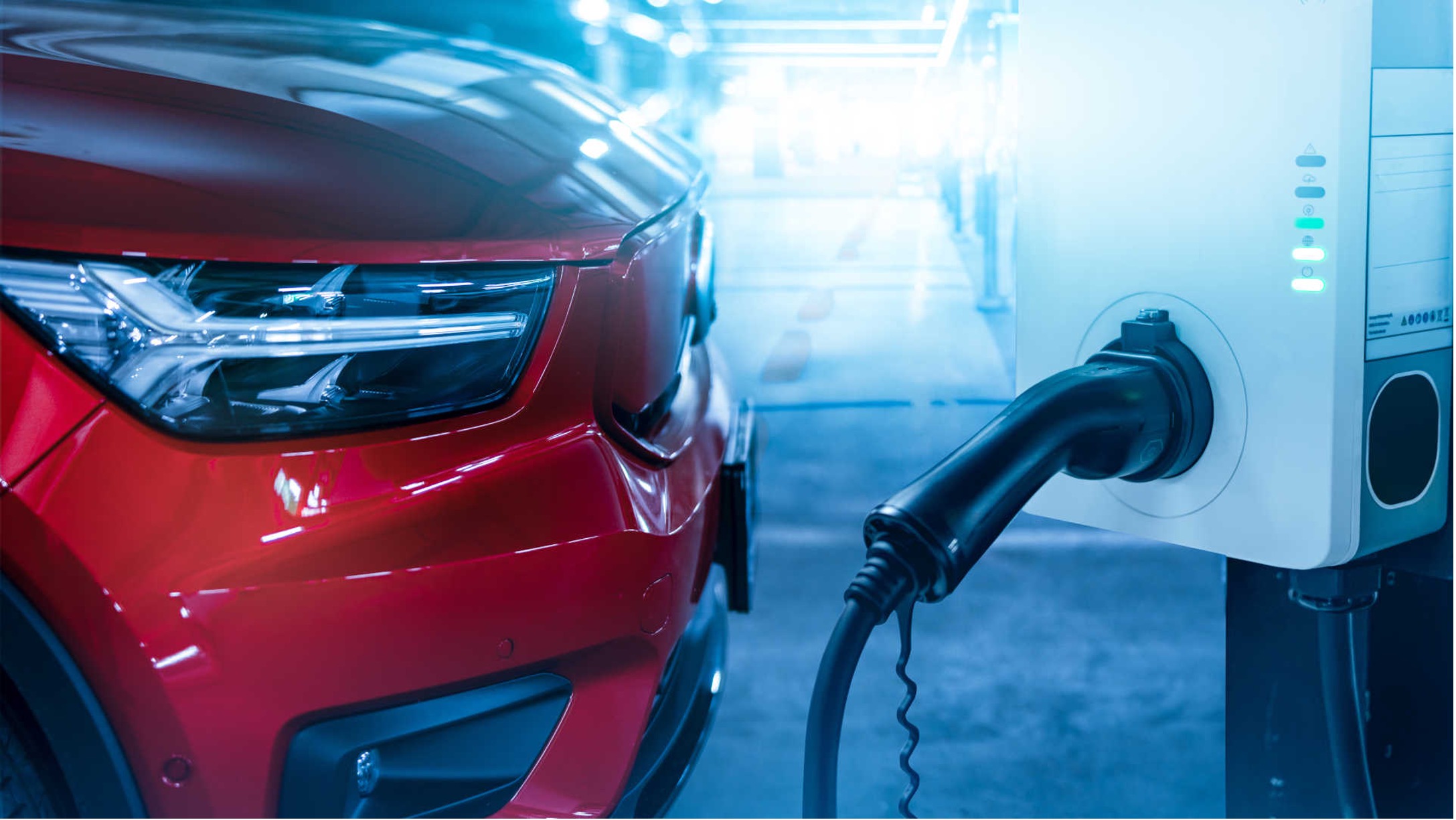
The Evolving Synergy Between Mobility and Power Grids
Transforming Vehicles into Active Energy Assets
The relationship between electric vehicles (EVs) and the centralized power grid is undergoing a fundamental paradigm shift, moving far beyond the traditional view of cars as simple passive consumers of electricity. In the past, a vehicle was merely an endpoint—a drain on the system that required refueling. Today, however, we are witnessing the emergence of a bidirectional energy ecosystem where the vehicle itself acts as a mobile storage unit. This transformation allows EV batteries to absorb excess power during periods of low demand or high renewable generation and, crucially, discharge that energy back into the grid when stability is required.
This bidirectional capability fundamentally changes the value proposition of EV ownership and grid management. Through extensive partnerships and advanced network pilot programs, the infrastructure is being laid to treat millions of parked vehicles not as dormant metal, but as a colossal, distributed virtual power plant. When aggregated, these batteries can stabilize frequency fluctuations and provide emergency backup power, effectively turning the transportation sector into a pillar of national energy security. The transition requires sophisticated software layers capable of communicating between the utility provider and the vehicle's battery management system in real-time, ensuring that the driver’s need for a full charge by morning is never compromised while still serving the broader community's energy needs.
Furthermore, this integration supports the wider adoption of intermittent renewable energy sources like wind and solar. By acting as a buffer, EVs can smooth out the inherent variability of green energy, storing solar power generated at noon to be used during the evening peak. This symbiotic relationship suggests that the future of mobility is inextricably linked to the stability of our electrical infrastructure, creating a feedback loop where improvements in one directly benefit the other.
Bridging Infrastructure Gaps with New Economic Models
As the technical capabilities of EVs evolve, so too must the physical infrastructure that supports them, particularly in addressing the disparity between urban and rural access. While metropolitan centers are seeing a rapid deployment of ultra-fast charging hubs, rural areas have historically lagged behind due to the high capital costs associated with grid upgrades. However, new investment flows and public-private partnerships are beginning to level the playing field. These initiatives are not merely about convenience; they are essential for creating a uniform energy mesh that allows for distributed load balancing across vast geographical areas.
To overcome the financial hurdles of widespread deployment, innovative business models are emerging that lower the barrier to entry for businesses and municipalities. One such concept is "Capacity-as-a-Service," which allows entities to install sophisticated charging stations, stationary storage, and renewable generation systems without massive upfront capital expenditure. Instead, they operate on a subscription or lease basis, shifting the cost from a capital expense to an operational one. This model is particularly effective when combined with on-site solar generation and stationary battery storage, which can mitigate demand charges—fees utilities charge commercial customers for spikes in power usage.
The declining cost of battery technology further accelerates this trend. It is becoming increasingly economically viable to couple EV charging with on-site storage, creating microgrids that are resilient to main grid outages. These systems can function independently or in concert with the larger grid, providing a layer of redundancy that benefits the entire energy ecosystem. By democratizing access to advanced energy management tools, we are moving toward a future where the distinction between a fueling station and a power plant becomes increasingly blurred.
| Feature | Traditional Charging Infrastructure | Integrated Smart Microgrids |
|---|---|---|
| Energy Source | Relies solely on real-time grid supply. | Combines grid, solar, and battery storage. |
| Cost Structure | High operational costs due to peak demand charges. | Lower costs via peak shaving and self-consumption. |
| Grid Impact | Adds significant load, potentially straining local lines. | Buffers load, offering stability and support. |
| Resilience | Vulnerable to grid outages and blackouts. | Capable of islanding and off-grid operation. |
Intelligent Charging and Anticipatory Control
The Shift to Anticipatory Energy Uptake
The modernization of EV energy management is defined by a transition from reactive to proactive methodologies. Historically, charging was a binary event: a car was plugged in, and it drew power until full. The modern approach, however, utilizes advanced algorithms to predict grid stress and optimize charging windows without user intervention. By analyzing vast datasets—including local transformer load, weather forecasts, and historical usage patterns—intelligent systems can identify the optimal moments to draw power. This might mean delaying a charge cycle by a few hours to avoid an evening peak or accelerating it to absorb a surplus of wind energy in the early morning.
This "smart charging" ecosystem provides significant benefits to both the grid operator and the vehicle owner. For the grid, it flattens the demand curve, reducing the need to fire up expensive and polluting peaker plants. For the consumer, it often translates to lower energy bills through time-of-use tariffs, all while ensuring the vehicle is ready for departure when needed. The system essentially negotiates on behalf of the user, trading flexibility for cost savings.
Moreover, the predictive capability extends to the route planning and energy consumption of the vehicle itself. Modern navigation systems are beginning to integrate real-time energy data, advising drivers not just on the fastest route, but on the most energy-efficient one. These systems can account for elevation changes, traffic density, and even wind resistance, calculating the precise state of charge upon arrival. This level of granularity helps in reducing range anxiety and allows for tighter integration with destination charging infrastructure, ensuring that energy is available exactly when and where it is predicted to be needed.
Dynamic Wireless Power Transfer and On-the-Go Energy
Looking beyond the stationary plug, the concept of charging is being reimagined through dynamic wireless power transfer. This technology envisions a future where vehicles replenish their energy reserves while in motion, utilizing charging pads embedded beneath the road surface. Utilizing magnetic resonance coupling, these systems are achieving efficiency rates exceeding 90%, challenging the notion that wireless transfer is inherently wasteful. This continuous stream of energy could fundamentally alter EV design philosophy.
If a vehicle can receive a steady trickle of power while driving along highways, the necessity for massive, heavy battery packs diminishes. Manufacturers could equip vehicles with smaller, lighter batteries sufficient for "last-mile" travel off the main grid, significantly reducing vehicle weight and material costs. Lighter vehicles require less energy to move, creating a virtuous cycle of efficiency. This reduction in battery size also alleviates pressure on the supply chain for critical raw materials like lithium and cobalt.
Implementing this technology requires a highly responsive control system capable of detecting a vehicle's presence, speed, and power requirements in milliseconds. The system must effectively "handshake" with the moving vehicle to initiate power transfer safely and cut it off immediately as the vehicle passes. This level of synchronization represents a massive leap in power electronics and communication protocols. While currently in pilot phases, dynamic charging represents the ultimate convergence of infrastructure and mobility, potentially eliminating the concept of "stopping to refuel" for long-haul transport and public transit systems.
Maximizing Efficiency Through Component Innovation
Advanced Regenerative Strategies and Terrain Awareness
Regenerative braking has long been a staple of EV technology, but its implementation is becoming increasingly sophisticated. Originally viewed simply as a way to recapture kinetic energy during deceleration, modern systems now employ sensor fusion to execute intelligent energy recovery strategies. In the realm of personal mobility devices and advanced electric motorcycles, for example, the system monitors rider torque, pedal cadence, and inclination to adjust motor resistance in real-time. This ensures that energy recovery does not come at the expense of ride quality or stability.
In the automotive and heavy trucking sectors, this concept evolves into predictive regeneration. By integrating topographical data from GPS systems, the vehicle's onboard computer can anticipate a downhill gradient miles in advance. It can then manage the battery's thermal state and current charge level to maximize the absorption of the impending energy surge. If the battery is full, the system might pre-cool the pack or engage auxiliary systems to consume energy, preventing the loss of braking capability. Conversely, on an uphill climb, the system optimizes power delivery to maintain momentum with minimal waste.
This granular control is managed by the Battery Management System (BMS), which acts as the brain of the energy powertrain. The BMS must balance the immediate demands of the driver against the long-term health of the battery cells. High-current regeneration generates significant heat; if not managed, this can degrade the cells over time. Therefore, modern regenerative strategies are inextricably linked to thermal management, ensuring that the aggressive capture of free energy does not inadvertently shorten the lifespan of the expensive battery pack.
Thermal Mastery and Circular Lifecycle Management
The push for higher performance and faster charging has placed immense pressure on the thermal management systems within EVs. As the industry moves toward high-voltage architectures, such as 800V systems, the ability to accept high power rates depends entirely on keeping battery cells within a narrow temperature window. Excess heat is the enemy of efficiency and longevity. Innovations in thermal interface materials and cooling loop designs allow for rapid heat dissipation during supercharging sessions, while heat pumps repurpose waste heat from the drivetrain to warm the cabin, preserving battery range in cold climates.
Beyond the operational phase, the lifecycle of the battery itself is becoming a focal point of energy management strategy. The industry is moving away from a linear "make, use, dispose" model toward a circular economy. This involves designing packs that are easier to dismantle and employing chemistries like Lithium Iron Phosphate (LFP) that offer longer cycle lives and rely on more abundant materials. Once a battery is no longer suitable for the demanding environment of a vehicle, it is increasingly being transitioned to "second-life" applications, such as stationary grid storage, where the energy density requirements are lower.
Finally, the loop is closed through advanced recycling techniques that recover high-purity metals from spent cells. This reduces the carbon footprint associated with mining and refining virgin materials. The goal is to create a self-sustaining ecosystem where the energy carriers—the batteries—are as renewable as the energy they store. By viewing the battery not as a consumable component but as a permanent resource reservoir, the EV industry is redefining what it means to be truly energy efficient.
| Lifecycle Stage | Focus Area | Impact on Energy Ecosystem |
|---|---|---|
| Manufacturing | Thermal interface optimization and modular design. | Ensures durability and heat resilience during high-stress operations. |
| Active Use | Predictive thermal control and intelligent regeneration. | Maximizes range and protects cell health during rapid charging. |
| Second Life | Repurposing for stationary grid storage. | Extends value of the asset and stabilizes the power grid. |
| End of Life | Material recovery (Lithium, Nickel, Cobalt). | Reduces reliance on mining and lowers production energy costs. |
Q&A
-
What is dynamic cell balancing and why is it important in battery management systems?
Dynamic cell balancing is a process used in battery management systems (BMS) to ensure that all cells within a battery pack are charged and discharged evenly. This is crucial because imbalances can lead to reduced battery life, decreased capacity, and potential safety risks. By maintaining equal charge levels across all cells, dynamic cell balancing enhances overall battery performance and longevity.
-
How does peak load distribution contribute to energy efficiency in electric vehicles?
Peak load distribution involves managing and distributing energy demand to prevent spikes that can strain the power grid and the vehicle's battery system. By optimizing energy use during peak periods, this approach reduces energy costs and enhances the efficiency of electric vehicles, ensuring a stable power supply and minimizing wear on the battery.
-
Can you explain smart regenerative allocation and its benefits in electric mobility?
Smart regenerative allocation refers to the strategic management of energy recovered during regenerative braking in electric vehicles. By intelligently allocating this recovered energy, the system can improve overall efficiency, extend driving range, and reduce energy consumption. This process helps in maximizing the utility of the energy captured during braking events, contributing to a more sustainable driving experience.
-
What role does thermal drift compensation play in maintaining battery performance?
Thermal drift compensation is a technique used to counteract the effects of temperature variations on battery performance. As temperature changes can affect battery capacity and efficiency, this compensation ensures that the battery operates optimally regardless of environmental conditions. By stabilizing performance metrics, it protects the battery from potential damage and enhances its reliability.
-
How does state of charge prediction improve the integration of vehicles with the grid?
State of charge (SOC) prediction involves estimating the current charge level of a battery, which is critical for effective vehicle-grid interaction. Accurate SOC prediction allows for optimized charging and discharging cycles, facilitating better energy management and grid stability. It enables electric vehicles to serve as reliable energy storage units, supporting grid demands and contributing to more efficient energy distribution systems.