
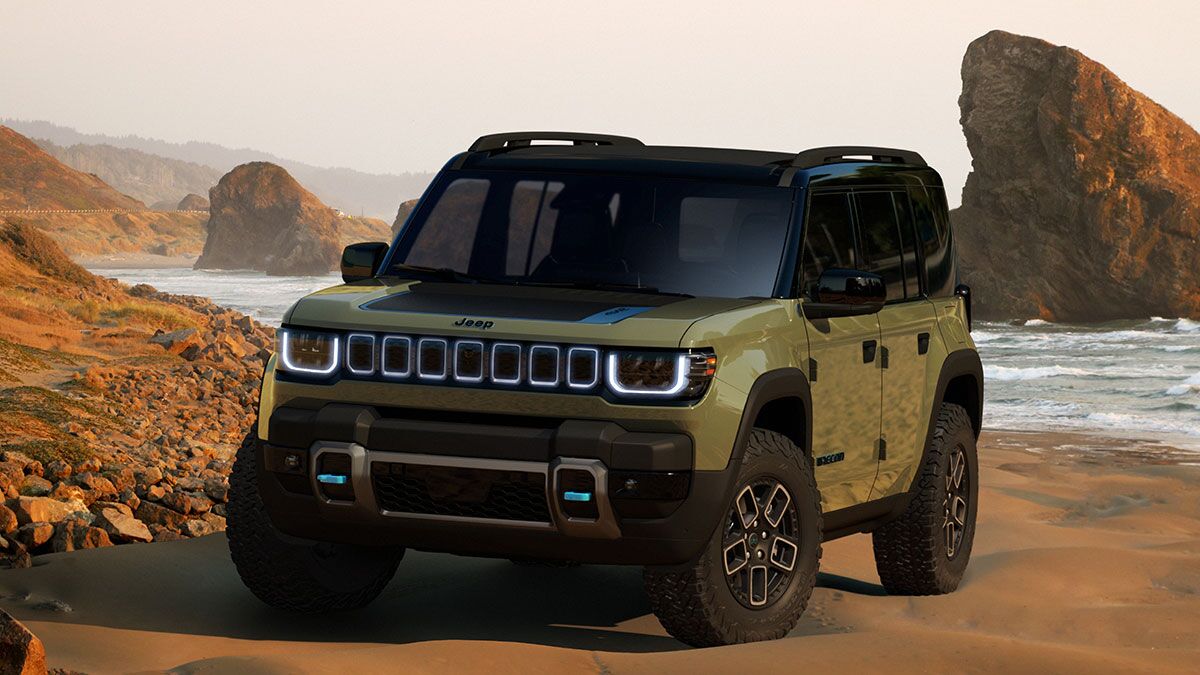
The Backbone of Adventure: Chassis and Structural Dynamics
Balancing Rigidity with Calculated Flexibility
The foundation of any vehicle capable of leaving the pavement is its skeletal structure. In the world of modern engineering, the design philosophy for the chassis has evolved far beyond simply making heavy steel beams. While a high degree of torsional rigidity is non-negotiable—essential for towing heavy loads and preventing the body from twisting until doors won't close—there is a nuanced art to how this strength is applied. Engineers now focus on a concept that might seem contradictory at first glance: calculated flexibility.
When a vehicle traverses a boulder field or crosses a deep rut diagonally, the forces applied to the frame are immense and uneven. If the chassis is too rigid, it acts like a solid brick, forcing the suspension to do the work. If the suspension runs out of travel, a wheel lifts, and traction is lost. By engineering a specific amount of "give" or flex into the frame rails, the chassis itself helps absorb the twisting energy. This millimeter-level compliance allows the tires to remain in contact with the ground for a fraction of a second longer before lifting, which can be the difference between maintaining forward momentum and getting stuck.
Suspension Architecture and Ground Contact
The suspension system serves as the critical interface between the vehicle's rigid body and the chaotic reality of the trail. In an off-road context, the priority shifts from high-speed cornering stability to maximum articulation and durability. The primary objective is to keep the rubber pressed against the terrain, regardless of how uneven the surface becomes. This is achieved through long-travel shock absorbers and linkage geometries that allow the axles to tilt at extreme angles relative to the body.
However, simply having a "tall" suspension is not enough. The quality of the movement is paramount. Modern setups often utilize multi-link rear designs or advanced independent front suspensions that minimize the change in tire angle (camber) as the wheel moves up and down. This ensures that the full width of the tire tread remains flat against the rock or dirt, maximizing the friction patch. When a wheel is forced deep into the wheel well by a large obstacle, the opposite wheel must extend downwards to find purchase. This "stuff and droop" capability is the hallmark of superior suspension engineering.
Additionally, the integration of air suspension systems has revolutionized versatility. These systems allow the driver to alter the ride height on the fly. On the highway, the vehicle lowers itself to reduce wind resistance and improve stability. Once the pavement ends, the driver can raise the body, significantly increasing the clearance under the chassis. This dynamic adjustment capability means that a single vehicle can offer the ease of entry and exit of a family wagon while retaining the ability to step over fallen logs and jagged rocks when duty calls.
| Feature | Primary Function in Wilderness | Impact on Driver Experience |
|---|---|---|
| Long-Travel Suspension | Keeps wheels grounded on uneven terrain. | Reduces head-toss and cabin sway over obstacles. |
| Active Ride Height | Adjusts clearance based on speed and mode. | seamless transition from highway cruising to rock crawling. |
| Disconnecting Sway Bars | Allows maximum axle articulation. | Provides extreme flexibility for technical climbing. |
| Progressive Damping | Absorbs hard impacts without bottoming out. | Prevents jarring shocks when hitting hidden bumps at speed. |
Mastering the Geometry of Movement
The Physics of Approach, Departure, and Clearance
Before a vehicle can even attempt to rely on its traction systems, it must physically fit through the terrain. This is where the geometry of the bodywork becomes the limiting factor. The concept of "clearance" is often simplified to the distance between the lowest point of the differential and the ground, but the reality of navigation is three-dimensional. The critical metrics are the angles at which the vehicle approaches a slope, breaks over a crest, and departs from a decline.
Designers must sculpt the front and rear bumpers to be as unobtrusive as possible. A high approach angle ensures that when the vehicle faces a steep incline or a large step, the tires contact the obstacle before the bumper does. If the nose extends too far forward or hangs too low, the vehicle will simply crash into the slope. Similarly, the departure angle prevents the rear bumper from dragging or getting hung up as the vehicle levels out after a descent. This "tucked-in" design often gives these vehicles their distinctive, aggressive jawline and high-tailed stance.
Equally important is the breakover angle, which is determined by the wheelbase and the belly height. A long vehicle with low clearance risks "high-centering"—getting stuck like a seesaw with the wheels dangling helplessly in the air. To mitigate this, engineers tuck exhaust pipes, fuel tanks, and transfer cases up into the frame rails. The result is a smooth underbelly that slides over obstructions rather than catching on them. This geometric puzzle requires compromising interior space or cargo capacity at times, but it is essential for navigating the unpredictable geometry of nature.
Tire Strategy and Traction Dynamics
The most sophisticated engine and chassis are rendered useless if the tires cannot convert energy into motion. In the wilderness, tires are not just rolling components; they are the primary claws of the machine. The selection of rubber compound and tread pattern is a science of compromise and specialization. For mud, the tread needs large voids—gaps between the rubber blocks—that allow centrifugal force to fling sticky mud out, self-cleaning the tire so it can bite again on the next rotation.
Conversely, sand requires a different approach. Here, the goal is flotation rather than digging. A tire that digs effectively in mud will bury the vehicle in soft sand. Therefore, drivers often lower tire pressure to increase the surface area, creating a "caterpillar track" effect. Modern vehicles are designed to accommodate these aggressive, high-profile tires without rubbing against the suspension or bodywork, even when the suspension is fully compressed.
The Brains Behind the Brawn
Intelligent Power Distribution and Electric Torque
The era of relying solely on massive displacement engines to muscle through obstacles is fading. In its place, we are witnessing the rise of precision powertrains, particularly those utilizing electrification. Electric motors possess a unique characteristic that is perfect for technical terrain: they produce maximum torque instantly, from zero RPM. Unlike an internal combustion engine, which needs to rev up to generate pulling power, an electric or hybrid system can inch a vehicle over a rock ledge with surgical control and zero drama.
This shift allows for independent control of wheels. In advanced configurations, separate motors drive the front and rear axles, eliminating the need for a heavy, mechanical driveshaft connecting them. This digital link allows the computer to sense that the front wheels are on ice while the rears are on dry pavement, and shift the power to the rear in milliseconds. This reaction time is far faster than any mechanical coupling could achieve.
Digital Adaptation to Environmental Variables
The modern cockpit has become a command center where the driver communicates their intent, and the machine handles the execution. This is realized through sophisticated mode selection systems. Rather than requiring the driver to manually lock differentials, disconnect sway bars, and adjust throttle sensitivity, they simply turn a dial to "Sand," "Rock," or "Snow."
Behind the scenes, this single action reconfigures dozens of parameters. In "Sand" mode, the throttle becomes aggressive to keep momentum high, and the transmission holds gears longer. In "Rock" mode, the throttle becomes desensitized to prevent jerky movements over bumps, and the traction control becomes hyper-active to stop wheel spin immediately. These systems act as an expert co-pilot, constantly adjusting the vehicle's reflexes to match the ground beneath.
Furthermore, visibility technologies have expanded the driver's awareness. Cameras mounted on the grille and side mirrors stitch together a virtual view of the terrain underneath the engine bay—often called a "transparent hood." This allows the driver to see exactly where the front tires are placed relative to a sharp rock or a drop-off, removing the guesswork from technical maneuvers. By merging sensor data with physical capability, these vehicles empower enthusiasts to tackle challenges that would effectively be impossible with mechanical capability alone.
| Scenario | System Response Strategy | Driver Benefit |
|---|---|---|
| Deep Mud / Ruts | Allows controlled wheel spin; maintains high engine RPM. | Clears tire treads; maintains forward momentum to prevent sinking. |
| Slippery Rock / Ice | Softens throttle response; applies brakes to spinning wheels instantly. | Prevents sliding sideways; ensures precise, inch-by-inch climbing. |
| Loose Sand / Dunes | Sharpens throttle input; delays upshifts. | Keeps the vehicle "on top" of the surface; prevents bogging down. |
| Steep Descent | Engages hydraulic braking autonomously at each wheel. | Maintains a safe, constant speed without driver locking the brakes. |
Armor and Environmental Fortification
Underbody Shielding and Component Protection
Venturing into the unknown means accepting that the path will fight back. Hidden tree stumps, jagged shale, and unseen boulders pose a constant threat to the vehicle’s vital organs. To counter this, the underbelly of a dedicated exploration vehicle is designed as a shield. Manufacturers utilize skid plates—armor made from stamped steel, aluminum alloys, or high-strength composites—to cover critical components like the engine oil pan, the transmission, and the fuel tank.
The design of this armor goes beyond simple coverage. It must be shaped to deflect impacts rather than absorb them. The surfaces are often angled to slide over obstacles, turning a potential crash into a glancing blow. Bolt heads are recessed so they don't shear off upon impact, ensuring the armor can be removed for service later. This strategic cladding allows the driver to listen to the sound of rocks scraping beneath the floorboards with confidence, knowing the mechanical heart of the machine is secure.
Water Fording and Dust Sealing
Water and dust are the silent destroyers of machinery. When a vehicle enters a river crossing, the sudden cooling effect can create a vacuum inside hot components like differentials and transmissions, sucking water in through the seals. To prevent this oil contamination, engineers route breather tubes—essentially snorkels for the axles—up high into the chassis, well above the expected water line.
The engine's air intake is also strategically positioned, often drawing air from the fender area or the hood line to avoid ingesting a wave of water, which would cause catastrophic engine failure. Electrical connectors are sealed with multi-lipped rubber gaskets to prevent short circuits. Even the interior is often designed with drain plugs in the floor, acknowledging that in the toughest conditions, nature might find a way inside. These meticulous details, largely invisible on the showroom floor, are what ensure the vehicle drives home after a day of swimming through rivers and battling dust storms.
Q&A
-
What are the benefits of using Four Wheel Drive Systems in off-road conditions?
Four Wheel Drive Systems enhance a vehicle's ability to tackle challenging terrains by distributing power to all four wheels, providing better traction and control. This is particularly beneficial in off-road conditions where surfaces are uneven, slippery, or loose, such as mud, snow, or rocky areas. These systems can improve vehicle stability and maneuverability, making it easier to navigate difficult landscapes.
-
How do Terrain Management Modes assist drivers in off-road environments?
Terrain Management Modes allow drivers to optimize vehicle performance based on the specific terrain they are navigating. By adjusting settings for throttle response, traction control, and transmission, these modes help maintain control and efficiency across different surfaces like sand, gravel, or snow. This adaptability enhances safety and vehicle performance by automatically configuring the vehicle to meet the demands of the terrain.
-
Why is Underbody Protection Design important for off-road vehicles?
Underbody Protection Design is crucial for safeguarding a vehicle's vital components, such as the engine, transmission, and fuel tank, from damage caused by rocks, debris, and uneven ground encountered during off-road driving. By incorporating protective skid plates and shields, vehicles are less likely to sustain damage that could lead to costly repairs or mechanical failures, ensuring durability and reliability in rugged environments.
-
What role do Approach and Departure Angles play in off-road driving?
Approach and Departure Angles determine a vehicle's ability to ascend and descend steep slopes without sustaining damage to the bumpers or undercarriage. A higher approach angle allows a vehicle to climb over obstacles without the front bumper making contact, while a higher departure angle prevents the rear bumper from scraping when coming off obstacles. These angles are critical for maintaining vehicle integrity and performance in off-road scenarios.