
Mastering Inventory Selection: Lanes and Reports
Decoding Physical and Virtual Lane Logistics
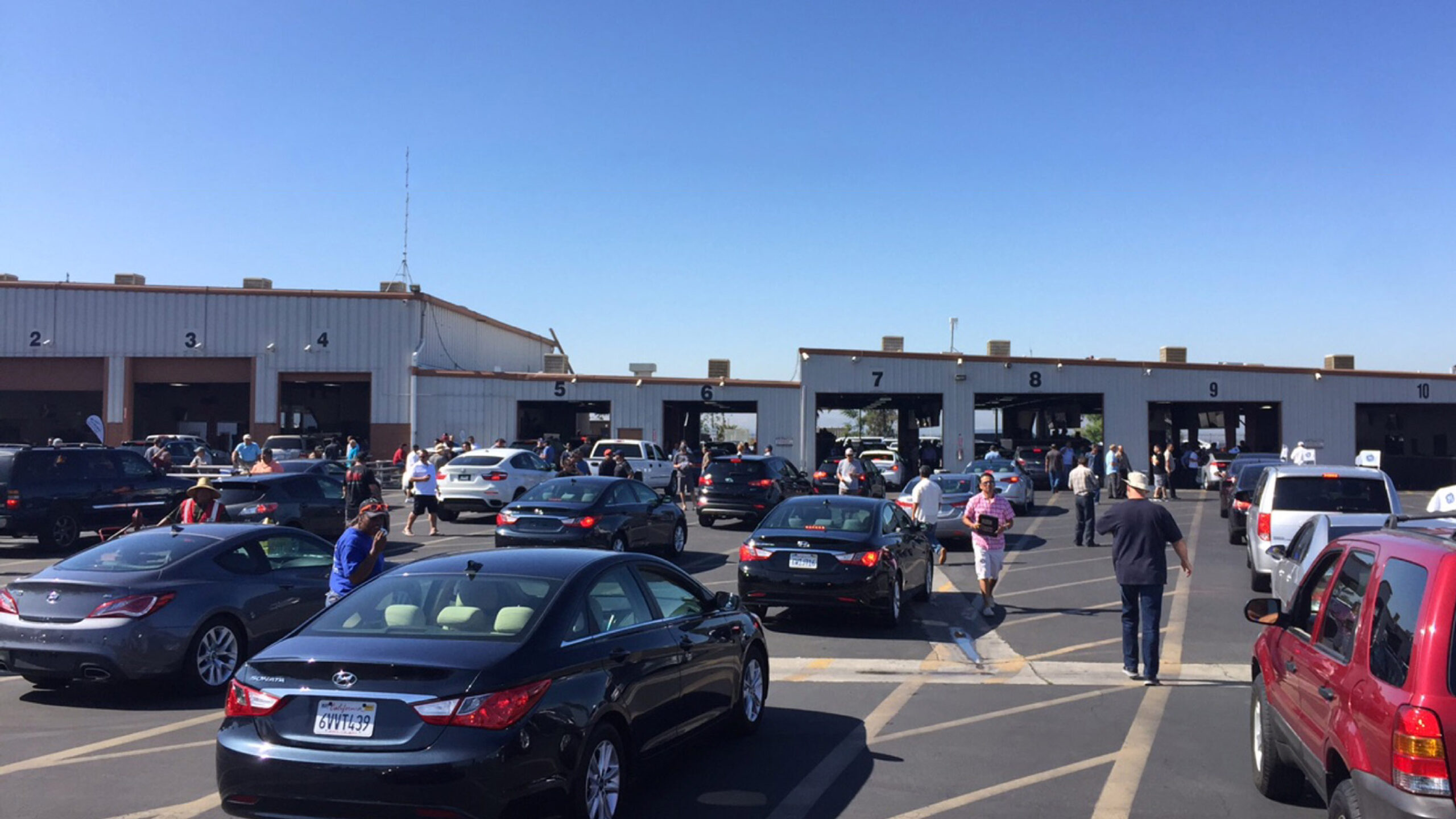
In the auction ecosystem, the concept of a "lane" represents far more than a physical path a vehicle travels down. Whether you are standing in a drafty warehouse or staring at a monitor, understanding the categorization of inventory is the first step toward efficient sourcing. Auctions segregate vehicles into specific lanes based on consignor type, vehicle condition, and selling status. You will encounter lanes dedicated strictly to off-lease units from manufacturers, sections for local dealer trade-ins, and specific runs for damaged or salvage units.
Recognizing these distinctions allows a buyer to profile the inventory before looking at a single car. For instance, manufacturer lanes often feature higher-grade, late-model units but come with a premium price tag. Conversely, dealer consignment lanes might harbor higher mileage vehicles with varied maintenance histories, offering potential value for those willing to do the reconditioning work. A seasoned buyer uses this lane segmentation to filter noise. If your dealership specializes in ready-to-retail certified pre-owned inventory, spending time in the "As-Is" or "Red Light" lanes is an inefficient allocation of resources.
Furthermore, the physical or virtual placement of a vehicle affects bidding psychology. Vehicles running early in the morning might face less competition than those running during peak hours. Similarly, the "run number" often indicates when a car was registered for the sale; a high run number might mean it was a last-minute entry, potentially lacking a thorough condition report or detailing. Understanding the correlation between lane placement, schedule, and vehicle source helps buyers predict competition levels and pricing trends, transforming a chaotic list of cars into a structured map of opportunities.
Financial Strategy and Digital Execution
Leveraging Technology for Strategic Bidding
The shift toward digital procurement has liberated dealers from the constraints of geography and time. Historically, acquiring inventory meant losing a day to travel, standing in lanes, and physically inspecting cars. Today, online bidding platforms allow a buyer to monitor multiple auctions across different time zones simultaneously from a desktop or mobile device. This efficiency gain allows dealership principals and managers to focus on core business activities—such as customer retention and sales floor management—while maintaining a steady pipeline of incoming stock.
Digital platforms also mitigate the psychological trap of "auction fever." In a physical lane, the energy of the crowd and the chant of the auctioneer can induce emotional bidding, leading dealers to pay more than their pre-set limit. Remote bidding strips away this adrenaline. Buyers can set proxies or bid in real-time with their market data tools open on a second screen. This environment fosters disciplined purchasing, ensuring that every bid is backed by data regarding market days supply and retail potential, rather than the urge to "win" against a competitor standing a few feet away.
Moreover, the transparency of digital transactions has improved significantly. Platforms now integrate with third-party data providers, giving instant access to vehicle history reports and retail market valuations. This allows for a swift verification process where a buyer can confirm a clean title and check the vehicle's accident history before clicking the "bid" button. This integration of logistics, data, and execution capability transforms procurement from a gamble into a calculated operational process.
Risk Management and Profit Realization
Navigating Arbitrated Claims and Disputes
Even with diligent research and inspection, the reality of used vehicles is that issues will arise. A car might arrive with undisclosed frame damage, a slipping transmission, or a discrepancy in the odometer reading. This is where a deep understanding of the auction’s dispute resolution policies becomes critical. In the industry, this process is handled through arbitrated claims, a formal mechanism to resolve disagreements regarding the condition of a sold vehicle.
Timing is everything when it comes to arbitration. Auction houses have strict windows for filing claims—sometimes as short as 24 hours for visual damage or 7 days for mechanical defects. Dealers must establish a rigorous intake process: as soon as a transporter drops off a vehicle, it should undergo a comprehensive "Post-Sale Inspection" (PSI) or an immediate internal check-up. Waiting until a customer test drive to discover a blown head gasket is a guaranteed way to lose both money and reputation, as the window to return the car to the auction will have long closed.
When a defect is found, the claim must be supported by objective evidence. Vague complaints are often rejected. Instead, dealers should provide clear photos, video evidence, and diagnostic reports from certified mechanics. The goal is to present an indisputable case to the arbitration coordinator. However, not every issue warrants a full return. Sometimes, negotiating a price adjustment to cover the repair cost is the smarter business move. It saves the hassle of unwinding the deal and shipping the car back, allowing the dealer to fix the unit and get it on the front line faster.
Calculating the Wholesale-to-Retail Spread
The ultimate measure of procurement success is the realized margin, which is determined by the spread between the acquisition cost and the final retail price. However, novice buyers often miscalculate this by looking only at the hammer price and the sticker price. A sophisticated analysis must account for the "invisible" costs that shrink this gap. These include auction buy fees, transportation charges, reconditioning (labor and parts), state inspections, and the "pack" (a flat fee charged to every car to cover dealership overhead).
To accurately predict the wholesale-to-retail spreads, buyers must forecast the "exit price" realistically. This involves analyzing local market data to see what similar vehicles are actually selling for, not just what they are listed for. If a specific model is flooding the market, the retail price will soften, compressing the spread. Conversely, a rare specification might command a premium, allowing for a more aggressive bid. The key is to work backward: start with the realistic retail price, subtract all hard costs and the desired profit margin, and the remaining number is the maximum allowable bid.
Market volatility also plays a role. A spread that looks healthy today might evaporate if the market shifts while the car is stuck in the body shop. Therefore, the speed of reconditioning is a financial metric. The faster a car moves from the transport truck to the sales lot, the less exposure the dealership has to market fluctuations and book value drops. By factoring in all ancillary costs and maintaining a disciplined approach to maximum bid limits, dealers can ensure that their inventory strategy yields sustainable profits rather than just turnover.
| Action | When to Repair (Keep) | When to Arbitrate (Return) |
|---|---|---|
| Defect Type | Minor cosmetic issues, wearable parts (brakes/tires), simple sensors. | Frame/Unibody damage, flood damage, major powertrain failure, odometer discrepancy. |
| Cost Analysis | Repair cost is lower than shipping/return fees + lost time. | Repair cost exceeds profit margin or significantly devalues the asset. |
| Inventory Status | Vehicle is a high-demand core unit; hard to replace. | Vehicle is a commodity unit easily replaced with lower risk stock. |
| Strategic Goal | Speed to market; keep the service department busy. | Risk mitigation; protecting capital and dealership reputation. |
Q&A
-
What are Lane Grading Systems, and how do they benefit the automotive auction industry?
Lane Grading Systems are tools used in the automotive auction industry to assess and categorize vehicles based on their condition, history, and other relevant factors. These systems benefit the industry by providing a standardized way to evaluate vehicles, helping buyers make informed decisions quickly and efficiently. They enhance transparency and trust in the auction process, leading to smoother transactions.
-
How does Floor Plan Financing work for car dealerships, and what are its advantages?
Floor Plan Financing is a type of credit line specifically designed for car dealerships to purchase inventory. This financial arrangement allows dealers to buy vehicles from manufacturers or auctions and pay for them over time. The main advantages include improved cash flow management, the ability to offer a wider selection of vehicles, and the flexibility to adjust inventory levels according to market demand without immediate financial strain.
-
What is the difference between Wholesale-to-Retail Spreads and how do they impact car pricing?
Wholesale-to-Retail Spreads refer to the difference in pricing between what a dealer pays for a vehicle at wholesale auctions and what they charge customers at retail. This spread impacts car pricing by determining the dealer's profit margin. A larger spread may indicate higher dealer profits, while a smaller spread could suggest competitive pricing strategies to attract more customers.
-
How do Public vs. Dealer Auctions differ, and what are the implications for buyers?
Public Auctions are open to anyone interested in purchasing a vehicle, while Dealer Auctions are restricted to licensed dealers. The implications for buyers include differences in pricing, access to inventory, and the level of competition. Public Auctions may offer lower prices due to less competition, but Dealer Auctions might provide a wider selection of high-quality vehicles, often with more thorough vehicle history reports and assurances.
-
What role do Online Bidding Platforms play in modern car auctions?
Online Bidding Platforms have revolutionized the car auction industry by enabling participants to bid on vehicles remotely, expanding access to a global audience. They provide convenience, increase transparency, and allow for real-time bidding, which can lead to more competitive pricing. These platforms also offer detailed vehicle information and images, aiding buyers in making informed decisions without being physically present at the auction.