
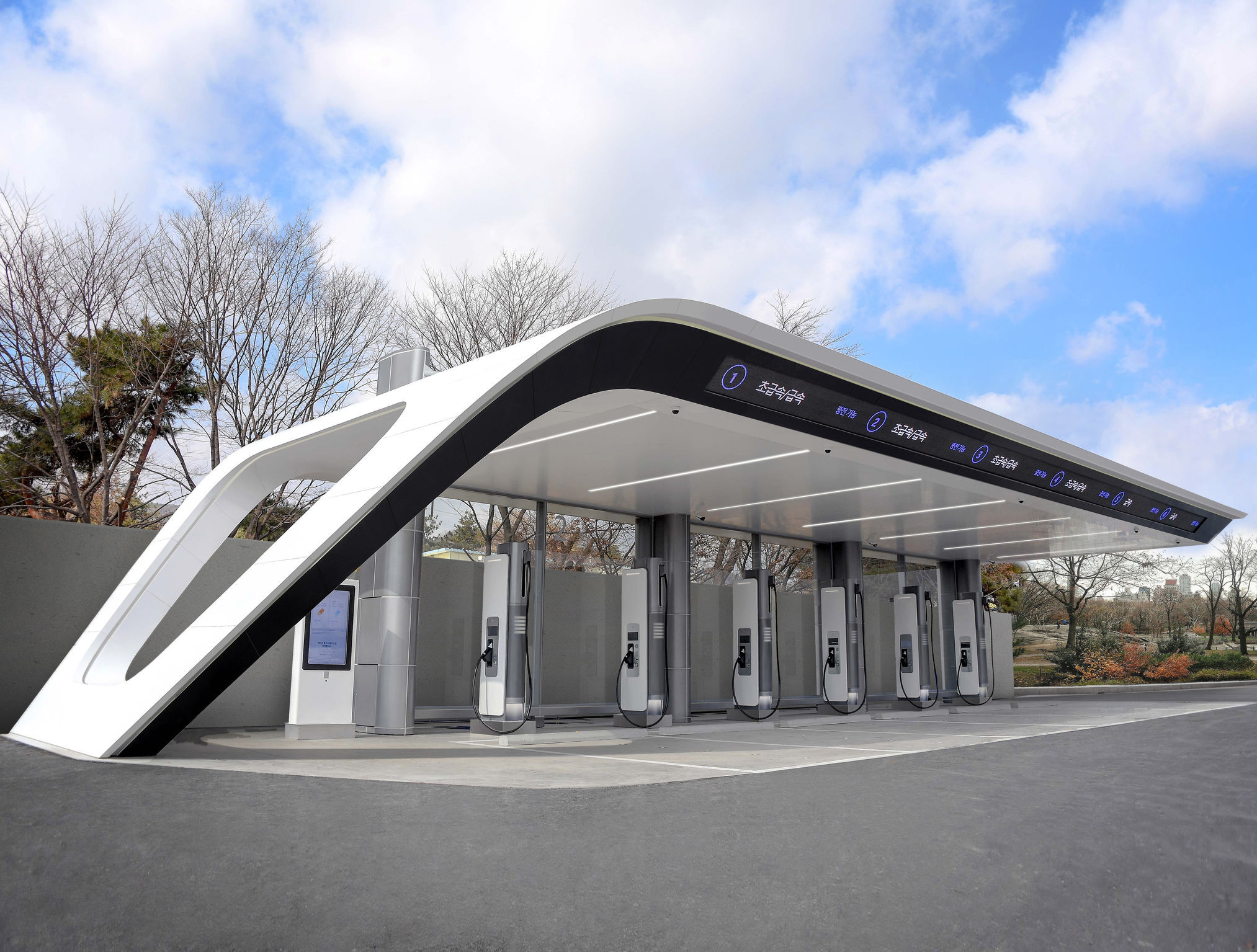
Mastering the Heat Barrier
Advanced Fluid Dynamics in Battery Systems
The quest to reduce electric vehicle (EV) charging times to a matter of minutes—comparable to filling a gas tank—hinges on overcoming one primary physical adversary: heat. As amperage increases to expedite energy transfer, the internal resistance within battery cells and charging cables generates significant thermal energy. If left unmanaged, this heat creates bottlenecks that throttle charging speeds or, worse, compromise safety. The industry is currently witnessing a paradigm shift from traditional air or simple water-glycol cooling methods toward highly sophisticated thermal management fluids. These next-generation dielectric fluids are engineered to absorb thermal surges instantaneously at the cell level, dispersing heat far more efficiently than previous mediums allowed.
This evolution represents a move toward a chemical approach to infrastructure capability. Rather than merely installing larger cables, energy providers are adopting specialized coolants that allow the entire system to accept ultra-high power inputs without overheating. By immersing or closely coupling thermal circuits with battery modules, these fluids ensure that the temperature remains within an optimal window, even during the intense stress of 350+ kilowatt charging sessions. This technological leap is slowly turning the "10-minute charge" from a theoretical goal into a reliable standard. Furthermore, this shift is influencing business models; infrastructure providers are moving beyond simply offering a parking spot with a plug to licensing advanced thermal regulation technologies that guarantee performance consistency.
| Cooling Method | Primary Application | Thermal Management Capability | System Complexity |
|---|---|---|---|
| Passive Air Cooling | Low-demand residential charging | Limited; relies on ambient airflow and dissipation | Low; simple architecture |
| Active Liquid Cooling | Standard fast charging stations | Moderate; circulates coolant through plates or channels | Medium; requires pumps and radiators |
| Direct Immersion/Advanced Fluid | Ultra-fast high-power hubs | High; handles extreme heat flux during peak delivery | High; requires sealed, precision-engineered loops |
Precision Cooling for Heavy-Duty Logistics
The impact of advanced thermal regulation extends well beyond passenger cars, becoming a critical enabler for the electrification of the logistics sector. Commercial trucks and buses require massive battery packs to haul heavy loads over long distances, necessitating energy delivery on the megawatt scale. Transferring this volume of power involves currents so high that standard copper cables and connectors would risk melting under their own resistive heat. To solve this, the industry is deploying liquid-cooled hardware where coolant circulates directly within the charging cable lining and through the connector pins, actively stripping away heat as power flows.
This modular liquid-cooled technology offers exceptional flexibility for fleet operators. Systems can be scaled based on power requirements, allowing logistics hubs to install infrastructure capable of simultaneous megawatt charging. This capability is transformative for operational efficiency; a delivery truck can replenish its massive energy reserves during a short loading dock interval, maximizing uptime. By integrating cooling directly into the hardware, operators can utilize lighter, more manageable cables that are easier for drivers to handle, despite the immense power running through them. This fusion of thermal engineering and hardware design is laying the foundation for a fully electric transport sector, ensuring that heavy-duty vehicles can operate with the same reliability and turnaround times as their diesel predecessors.
Redefining Power Delivery Networks
The Shift to Higher Voltage Platforms
A silent revolution is occurring within the architecture of modern electric vehicles, characterized by a decisive move toward higher voltage systems. While early generations of EVs operated primarily on 400-volt architectures, the industry is rapidly adopting 800-volt and even higher platforms. This elevation in voltage is not merely a specification change; it is the key to unlocking true ultra-fast charging. By doubling the voltage, engineers can push the same amount of power with half the current, or significantly more power with the same current. Since heat generation is largely a product of current squared, high-voltage architectures allow for massive power transfer with significantly reduced thermal penalties.
For the consumer, this technical shift translates directly into convenience. It enables charging speeds that can add hundreds of kilometers of range in the time it takes to grab a coffee, effectively changing the charging experience from a "wait" to a brief "rest." Moreover, this efficiency reduces the weight and bulk of the wiring harnesses inside the vehicle, contributing to overall range and performance. As both charging stations and vehicle architectures align around these high-voltage standards, the friction of long-distance electric travel dissipates. The ecosystem is moving toward a state where the limitation is no longer the charger's capacity, but the chemical absorption rate of the battery itself, which is being continuously improved through better anode materials and cell designs.
Buffering and Grid Stabilization Strategies
As ultra-fast charging stations capable of delivering megawatt-level power become more common, they present a significant challenge to the existing electrical grid. Drawing such immense power instantaneously can cause voltage sags or require expensive infrastructure upgrades to local substations. To mitigate this, a "buffering" strategy is gaining traction. This involves integrating large-scale stationary battery storage systems directly at the charging site. These buffer batteries trickle-charge from the grid during off-peak hours when demand is low and electricity is cheaper, storing energy to be released rapidly when a vehicle plugs in.
This approach acts as a shock absorber for the power grid. It decouples the high-power demand of the EV from the capacity limitations of the local utility connection. Consequently, ultra-fast charging becomes feasible even in rural areas or locations with older grid infrastructure. Furthermore, this system creates a circular economy opportunity by utilizing second-life EV batteries—packs that have degraded too much for vehicle use but are perfect for stationary storage. This coordination ensures that the rollout of high-speed charging infrastructure does not destabilize the energy network, providing a consistent and reliable user experience regardless of the immediate grid conditions.
| Grid Connection Strategy | Impact on Local Utility Grid | Installation Flexibility | Peak Power Availability |
|---|---|---|---|
| Direct High-Power Connection | Significant; requires robust substation capacity | Limited to areas with strong grid infrastructure | Dependent on immediate grid load and stability |
| Buffered Connection (With Storage) | Minimal; smoothes out demand spikes | High; can be deployed in rural or weak-grid areas | Consistent; relies on stored energy buffer |
Intelligent Safety and Precision Manufacturing
Manufacturing Rigor and Leak Prevention
As vehicles and chargers handle higher energy densities, the margin for error in manufacturing shrinks to microscopic levels. The integration of liquid cooling systems within the battery pack introduces a critical safety requirement: absolute containment. In a high-voltage environment, a coolant leak can lead to catastrophic electrical shorts. Therefore, the production of modern battery packs involves rigorous leak testing protocols that far exceed traditional automotive standards. Manufacturers utilize advanced pneumatic simulations and tracer gas methods to detect even the faintest breach in the cooling circuit before a pack ever leaves the factory.
Beyond containment, the efficiency of heat transfer relies on Thermal Interface Materials (TIM)—specialized pastes or pads placed between the battery cells and the cooling plates. The application of TIM must be perfectly uniform; gaps or air bubbles create "hot spots" where heat accumulates, potentially degrading the cell or triggering safety cutoffs. Computer vision systems and automated dispensing robots now verify the application of these materials with extreme precision. This invisible layer of manufacturing quality assurance is what allows drivers to utilize ultra-fast charging repeatedly without degrading their vehicle's battery health. It is the industrial discipline ensuring that the theoretical capabilities of power electronics are safely realized in the real world.
Semiconductor Evolution and Dynamic Protection
Deep inside the charging pile and the vehicle's onboard charger lies the brain of the operation: power electronics. The transition to silicon carbide (SiC) and gallium nitride (GaN) semiconductors has revolutionized the efficiency of converting AC grid power to DC battery power. These advanced materials can switch at much higher frequencies with lower energy loss compared to traditional silicon, resulting in less waste heat and more compact cooling requirements. However, handling this power requires dynamic safety systems that monitor the flow of energy in milliseconds.
Modern charging protocols involve a continuous "handshake" between the car and the charger, where data on temperature, voltage, and internal resistance is exchanged thousands of times per second. If a slight anomaly is detected—such as a micro-short precursor or a thermal spike in a single cell group—the system can dynamically curtail power or sever the connection instantly. Innovations like composite current collectors (using polymer layers sandwiched between copper) are also being introduced to prevent thermal runaway even if an internal short occurs. These multi-layered safety nets, combining advanced hardware materials with intelligent software algorithms, ensure that the push for speed never compromises the fundamental safety of the user or the vehicle.
Q&A
-
What is High Voltage DC Architecture and its significance in modern power systems?
High Voltage DC (HVDC) Architecture is a method of transmitting electricity using direct current over long distances. This system is significant due to its ability to reduce energy losses compared to alternating current (AC) systems. HVDC is particularly beneficial for integrating renewable energy sources, providing efficient long-distance power transmission, and connecting asynchronous power grids.
-
How does Cell Level Load Balancing improve battery performance in energy storage systems?
Cell Level Load Balancing refers to the equal distribution of charge among individual cells in a battery pack. This technique enhances battery performance by preventing overcharging or undercharging of cells, extending the battery's lifespan, and ensuring optimal energy storage capacity. Effective load balancing is crucial for maintaining the efficiency and reliability of high-capacity battery systems.
-
What strategies are used for Thermal Surge Mitigation in power electronics?
Thermal Surge Mitigation involves managing and reducing excessive heat in power electronics to prevent damage and maintain performance. Strategies include using advanced cooling techniques such as liquid cooling, heat sinks, and thermal interface materials. Additionally, thermal management software can dynamically adjust operating conditions to mitigate heat generation during high-load periods.
-
How do Power Electronics Coordination techniques enhance system efficiency?
Power Electronics Coordination involves the integration and management of various power electronic components to optimize system performance. Techniques include synchronized switching, harmonic reduction, and real-time monitoring of power flow. These methods enhance system efficiency by minimizing energy losses, improving power quality, and ensuring stable operation of power conversion systems.
-
What role do Charging Efficiency Algorithms play in electric vehicle technology?
Charging Efficiency Algorithms are critical in optimizing the charging process of electric vehicles (EVs). These algorithms manage the charging rate, minimize energy losses, and reduce charging time while protecting the battery's health. By intelligently adjusting power delivery based on battery status and external conditions, these algorithms improve the overall efficiency and convenience of EV charging systems.