
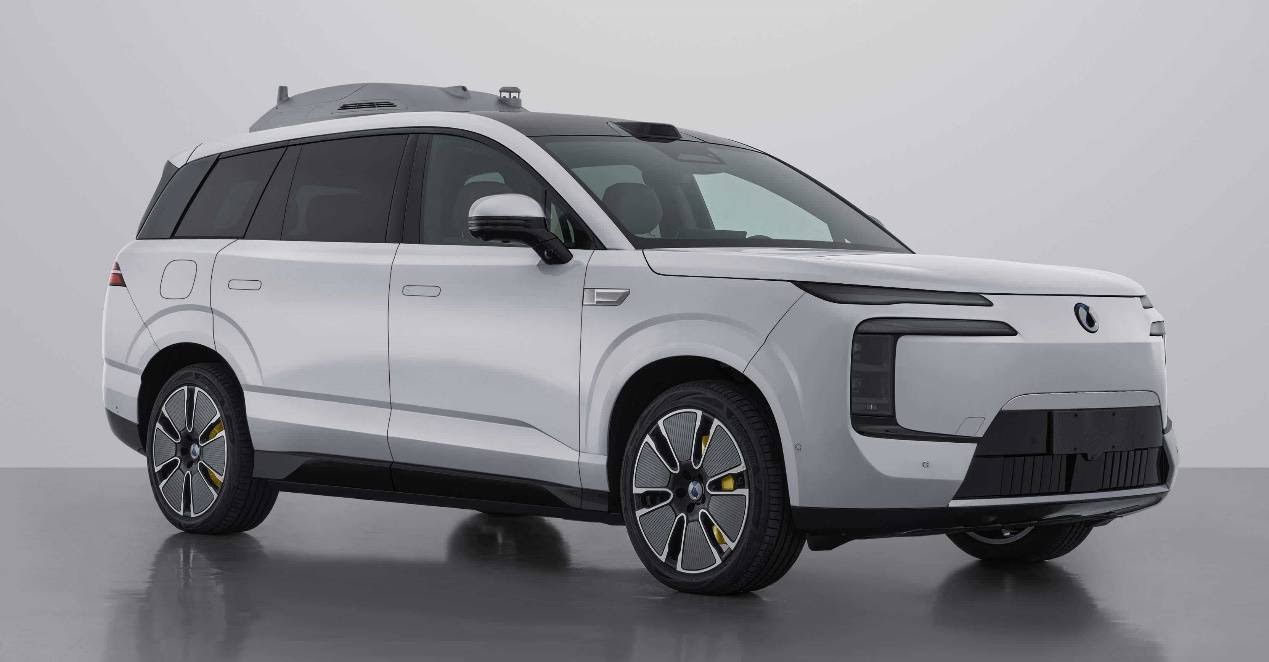
Redefining the Driver's Sanctuary
The Shift from Analog to Digital Canvases
The view from the driver's seat, once dominated by static needles and mechanical gauges, has undergone a radical transformation. Stepping into a modern SUV today reveals a landscape defined by high-definition, expansive displays that serve as the nerve center of the vehicle. These are no longer mere instruments for displaying speed or RPM; they are dynamic canvases that liberate the dashboard from physical constraints. Behind the glass lies a flexible information space that rivals the responsiveness and clarity of high-end tablets. Whether driving under the glare of the midday sun or navigating through the dark, these screens automatically adjust brightness and contrast, ensuring that critical data is always legible without causing eye strain. This visual clarity is not just an aesthetic upgrade; it is a fundamental enhancement to safety and ease of driving.
The true power of this digital evolution lies in its adaptability. Drivers are no longer forced to accept a one-size-fits-all layout. Instead, the interface can be tailored to suit specific driving scenarios. When exploring a new city, the navigation map can be expanded to fill the entire cluster, allowing the driver to follow complex routes without diverting their gaze to a center console. Conversely, during long highway cruises, the display can prioritize driver-assistance data, visualizing the distance to surrounding cars and lane-keeping status. By filtering and presenting only the most relevant information at the right moment, these systems reduce cognitive load, allowing the driver to remain calm and focused even in information-rich environments.
Furthermore, this digitization has influenced the physical architecture of the cabin. The clutter of plastic bezels and disjointed components is disappearing, replaced by seamless designs where the dashboard flows naturally into the passenger area. This shift turns the cockpit from a mechanical workspace into a refined, lounge-like environment. With controls increasingly integrated into touch panels or steering wheel toggles, the fusion of functionality and elegance creates a space where technology feels intuitive rather than intrusive.
Bridging the Gap Between Handset and Dashboard
Wireless Freedom and Ecosystem Unity
One of the most tangible shifts in the daily ownership experience is the elimination of barriers between personal devices and the vehicle. In the past, connecting a mobile device meant grappling with cords and navigating clunky menus. Today, the integration is instantaneous and invisible. As the driver enters the SUV, the system recognizes their device and establishes a wireless link before the door is even closed. This allows for a seamless transition where music playlists, messaging apps, and personal contacts are immediately available on the main display. This "jump in and go" capability significantly enhances the feeling of fluidity, removing the small but frequent frictions that used to accompany every trip.
Beyond entertainment, the mobile device has evolved into a command center for the vehicle itself. The concept of the physical key is being phased out in favor of digital credentials stored securely on a phone. This allows owners to unlock doors and start the engine simply by approaching the car. Remote management has also become a standard expectation; users can pre-condition the cabin temperature on a cold morning or manage battery charging schedules from the comfort of their living room. Inside the cabin, the physical environment supports this digital lifestyle with dedicated wireless charging pads and high-output ports strategically placed for all passengers, ensuring that every family member stays powered up without competition for resources.
| Feature Category | Traditional SUV Experience | Modern Connected Experience |
|---|---|---|
| Device Connection | Tethered via USB cables; manual setup often required. | Automatic wireless pairing upon entry; seamless interface mirroring. |
| Vehicle Access | Physical key fob required for entry and ignition. | Smartphone acts as a secure digital key; remote sharing capabilities. |
| Cabin Prep | Manual adjustment after entering the vehicle. | Remote climate control and seat heating via app before departure. |
| Power Management | Limited 12V outlets or slow USB-A ports. | Multiple wireless charging pads and high-speed USB-C ports for all rows. |
Intelligent Guidance and Spatial Awareness
Beyond Simple Maps: A Holistic View of the Road
The center console of contemporary SUVs is now anchored by massive touchscreens, often ranging from 11 to 14 inches, which fundamentally change how we interact with navigational tools. The sheer size of these displays allows for a level of detail that was previously impossible. In dense urban environments with complex intersections, the ability to see a broad, clear map prevents the "wrong turn" anxiety that often plagues city driving. The responsiveness of these screens mimics the pinch-and-zoom fluidity of smartphones, making it effortless to scout ahead or inspect a destination without frustrated tapping.
However, the hardware is only half the story. The software powering these systems has moved from static, hard-drive-based maps to living, breathing cloud-based platforms. By maintaining a constant connection to the internet, the vehicle's navigation is always aware of real-time conditions, including traffic jams, road construction, and weather hazards. For electric models, this intelligence is crucial, as the system can calculate routes that optimize battery usage and automatically include charging stops. The car effectively becomes a co-pilot, processing vast amounts of data to suggest the most efficient path.
This navigational intelligence is augmented by a sophisticated suite of cameras and sensors. When maneuvering through tight parking garages or traversing rough off-road terrain, the center screen can project a 360-degree composite view of the vehicle's surroundings. This "digital transparency" allows the driver to see obstacles that would otherwise be in blind spots, enabling millimeter-perfect precision. By combining high-definition mapping data with real-time visual feeds, the SUV provides a comprehensive spatial awareness that instills confidence in any driving situation.
The Rise of Conversational Copilots
Natural Interaction and Personalized Assistance
The interaction between human and machine has evolved from rigid, memorized commands to fluid, natural conversation. Modern voice control systems in SUVs have shed the robotic limitations of their predecessors. Drivers no longer need to speak in specific keywords or standard phrases. Instead, they can use casual language—stating "I'm feeling a bit cold" to raise the cabin temperature, or asking "Where can I get coffee near here?" to trigger a search for highly-rated cafes. This leap in natural language processing allows the driver to manage complex systems without ever taking their hands off the wheel or their eyes off the road.
These systems are also becoming increasingly emotionally intelligent and personalized. Some manufacturers have introduced digital avatars or customizable assistants that learn from the driver's behavior over time. The system might remember that you prefer jazz music on Friday evenings or that you usually call home at a certain time, proactively offering these options before you ask. This creates a sense of partnership with the vehicle; it is no longer just a machine awaiting input, but an active participant in the journey. The visual feedback on the screens often accompanies the voice interaction, providing a multi-sensory confirmation that the request has been understood and enacted.
Crucially, this voice-first approach integrates deeply with the user's broader digital life. A seamless handoff occurs where the car's system can access calendars, reminders, and streaming services that the driver uses outside the vehicle. Whether dictating a message to a colleague or adding a stop to the navigation, the barrier between the car's infotainment system and the driver's personal ecosystem has dissolved. This integration ensures that the time spent driving is productive and relaxed, rather than a disconnect from the rest of the day's activities.
A Vehicle That Improves with Time
The Power of Remote Enhancements
Perhaps the most revolutionary change in modern automotive ownership is the shift from a static product to an evolving platform. Historically, a car was at its absolute best the day it was driven off the lot, after which it slowly became outdated. Today, Over-The-Air (OTA) technology has inverted this paradigm. Much like a smartphone or laptop, SUVs now receive regular software updates while parked in the owner's garage. These updates can refresh the user interface, add new features to the entertainment system, or update map data, ensuring that the vehicle feels fresh and current years after purchase.
More impressively, these remote enhancements can improve the physical performance of the vehicle. Because so many mechanical systems—from suspension damping to steering response and electric motor output—are controlled by software, manufacturers can refine driving dynamics remotely. An SUV might gain a specialized "sand mode" for off-roading or see an improvement in turning radius through a software tweak to the rear-wheel steering system. This capability means that the car can adapt to new needs and utilize its hardware more effectively as engineers develop better control algorithms.
| Aspect | Static Ownership Model | Evolving Platform Model |
|---|---|---|
| Feature Freshness | Features are fixed at the time of purchase. | New apps and UI improvements added periodically via Wi-Fi. |
| Performance Tuning | Mechanical characteristics remain unchanged. | Handling, range, and power delivery can be optimized remotely. |
| Issue Resolution | Requires scheduling a service appointment at a dealer. | Minor bugs and software glitches fixed overnight with patches. |
| Long-term Value | Technology becomes obsolete relatively quickly. | Vehicle stays current with latest safety and tech trends. |
Reliability is also bolstered by this technology. Instead of requiring a trip to the dealership for every minor recall or software glitch, patches can be deployed directly to the car, fixing issues before the owner is even aware of them. This proactive approach to maintenance saves time and ensures that safety systems are always operating on the latest logic. The result is a vehicle that grows with its owner, offering a renewed experience that extends the lifecycle and enjoyment of the machine.
Q&A
-
What are Vehicle Connectivity Systems and how do they enhance driving experience?
Vehicle Connectivity Systems refer to the technologies that enable a vehicle to connect and communicate with other devices, networks, or services. These systems enhance the driving experience by providing real-time traffic updates, remote diagnostics, and improved navigation. They also allow for seamless integration with smartphones, enabling drivers to access apps and services directly from the vehicle's interface.
-
How do Over The Air (OTA) Updates benefit modern vehicles?
Over The Air Updates allow vehicle manufacturers to remotely update the software of a vehicle without requiring a visit to the dealership. This ensures that the vehicle's systems are always up-to-date with the latest features and security patches. OTA updates can improve performance, fix bugs, and even introduce new functionalities, thus enhancing the vehicle's lifespan and driving safety.
-
What role do Digital Instrument Clusters play in modern vehicles?
Digital Instrument Clusters replace traditional analog gauges with digital displays that can be customized to show a variety of information. These clusters offer drivers a clear view of critical data such as speed, fuel level, and engine performance. They can also integrate with navigation and infotainment systems to provide a cohesive driving experience, improving both safety and convenience.
-
How have Navigation and Mapping Tools evolved with technological advancements?
Navigation and Mapping Tools have evolved to provide more accurate and comprehensive guidance for drivers. Modern systems offer real-time traffic updates, alternative route suggestions, and points of interest along the way. They leverage satellite technology and crowd-sourced data to deliver precise and up-to-date information, enhancing travel efficiency and reducing travel time.
-
What are the advantages of Voice Control Interfaces in vehicles?
Voice Control Interfaces allow drivers to operate various vehicle functions without taking their hands off the wheel or eyes off the road. By using natural language processing, these interfaces enable drivers to control navigation, make phone calls, and manage music playback through simple voice commands. This enhances driving safety and convenience, making it easier for drivers to stay focused on the road.
-
How does Smartphone Integration improve the functionality of a vehicle?
Smartphone Integration allows drivers to connect their phones to the vehicle's system, providing access to apps, music, and contacts directly through the car's interface. This integration supports hands-free calls, messaging, and navigation, thereby enhancing convenience and safety. It also enables the use of popular platforms like Apple CarPlay and Android Auto, which bring familiar smartphone interfaces to the vehicle's display.