
Visual Immersion and Interface Evolution
The Shift to Virtual Windshield Projections
The way drivers perceive the road is changing fundamentally, moving away from glancing down at instrument clusters to a seamless integration of data with the real world. Modern electric vehicles are pioneering technologies that turn the entire windshield into a canvas for critical information. Instead of traditional navigation maps that require a shift in focus, advanced projection systems overlay directional arrows, speed limits, and hazard warnings directly onto the asphalt ahead. This creates a viewing experience where digital graphics appear to float at a distance, perfectly aligning with the physical environment.
This optical breakthrough does more than just look futuristic; it significantly enhances safety by minimizing the cognitive load on the driver. In complex urban intersections or unfamiliar highway interchanges, the system can paint a clear path exactly where the car needs to go, eliminating the mental translation required to interpret a 2D map on a central screen. The experience is akin to a high-fidelity video game, where the boundary between the physical drive and digital guidance dissolves. By keeping the driver’s eyes strictly on the horizon, this technology ensures that vital data is consumed naturally, ensuring that safety and immersion go hand in hand.
Furthermore, these visual systems are becoming highly customizable. Drivers can filter what they see, stripping away non-essential metrics during a relaxed highway cruise or enriching the display with performance data during spirited driving. This flexibility ensures that the technology serves the human operator, rather than overwhelming them with data, marking a significant leap from the static dials of the past.
| Interaction Method | Primary Advantage | Best Use Case |
|---|---|---|
| Direct Touch | Familiarity and precision | Selecting specific media tracks or navigation destinations while stationary. |
| Voice Command | Hands-free safety and complexity handling | Adjusting climate, asking for general information, or finding points of interest while driving. |
| Motion Sensing | minimal distraction and hygiene | Quickly adjusting volume, accepting calls, or dismissing notifications without looking or touching. |
| Physical Haptics | Muscle memory and tactile confirmation | Confirming actions on flat surfaces so the driver knows a command was registered without looking. |
The Science of Tactile Confirmation
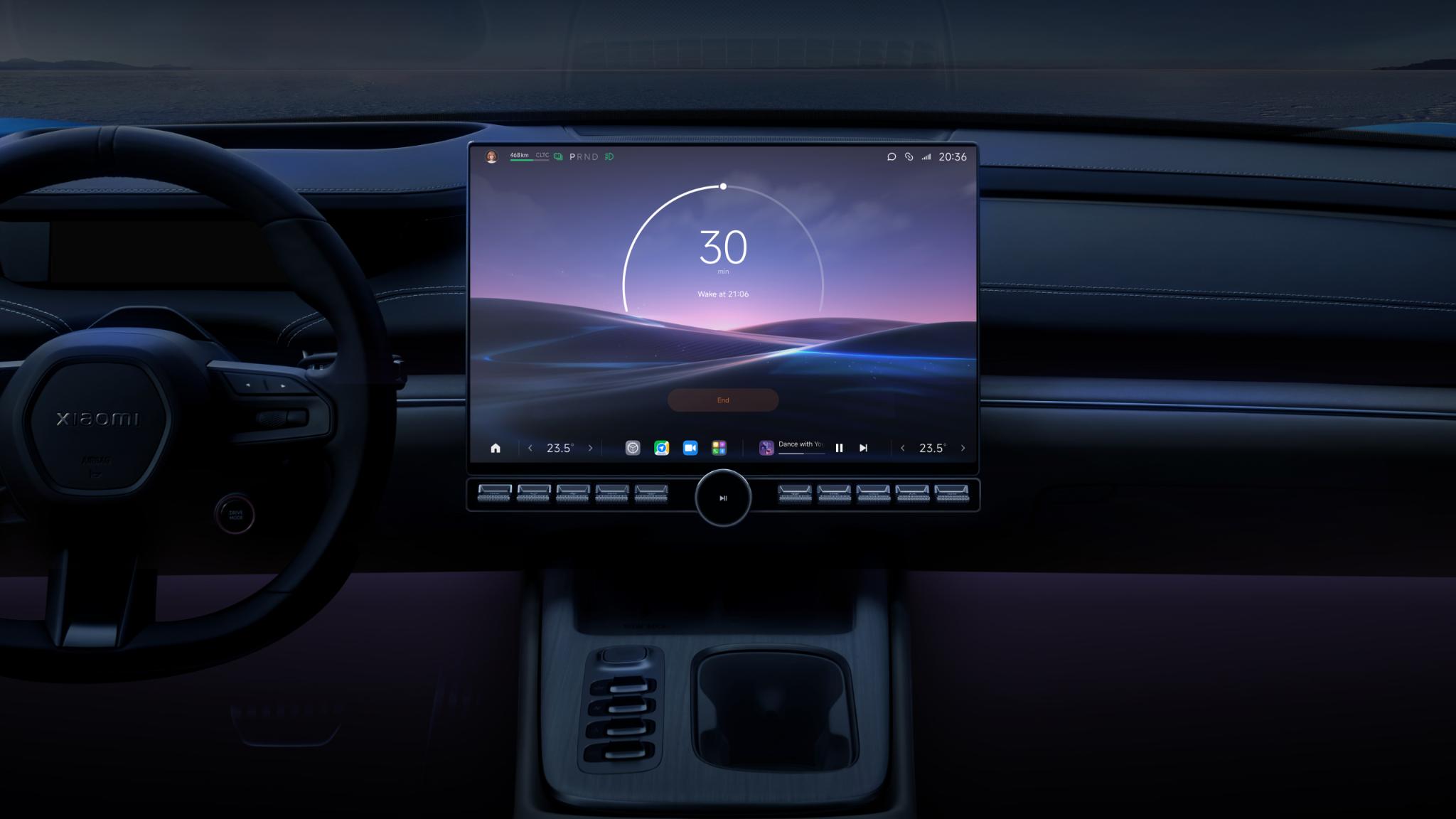
As physical buttons vanish from modern interiors, replacing the tactile satisfaction of a mechanical click has become a top priority for interface designers. The industry is moving toward sleek, glass-dominated surfaces that look elegant but traditionally lack feedback. To bridge this gap, engineers are implementing sophisticated vibration technologies that trick the brain into feeling a physical texture or a "click" where there is none. When a user presses a virtual icon on the central screen, the display responds with a precise, localized vibration, mimicking the sensation of a mechanical switch.
This addition of "feel" to a flat surface is crucial for automotive safety. It allows drivers to build a mental map of the interface and confirm that an action—such as turning on the defroster or changing a drive mode—has been executed without needing to stare at the screen. It brings the certainty of analog controls into the flexibility of the digital age. This sensory layering extends beyond the screen; steering wheel controls and door panels are also adopting these pressure-sensitive surfaces, creating a cohesive user experience throughout the cabin.
Moreover, the aesthetic benefits of this shift are profound. By removing protruding knobs and switches, designers can utilize sustainable textiles, open-pore woods, and ambient lighting to create a clean, uncluttered dashboard. The technology effectively disappears until it is needed, contributing to a sense of calm and order. The coldness often associated with high-tech environments is counteracted by warm materials and this responsive tactile loop, ensuring the cabin feels like a welcoming living space rather than a sterile computer lab.
The Intelligent and Empathic Cabin
Creating a Responsive Sanctuary
The structural freedom provided by electric platforms—specifically the absence of a bulky transmission tunnel and engine—has allowed interior designers to reimagine the car as a mobile lounge. The result is a flat-floor architecture that offers unprecedented legroom and flexibility. Consoles can slide back and forth, and seats can recline into zero-gravity positions, transforming the space into a relaxation pod while charging or waiting. However, the true innovation lies in how the vehicle's intelligence curates this environment to suit the occupant's physical and emotional state.
Modern systems are designed to appeal to all senses, not just sight. Advanced climate control systems now integrate scent diffusers that can release energizing citrus notes for morning commutes or calming lavender scents during traffic jams. These olfactory elements work in concert with ambient lighting palettes that offer dozens of colors, and premium sound systems that utilize active noise cancellation to silence road roar. The vehicle effectively becomes a "wellness pod," capable of running automated programs that synchronize seat massage patterns, lighting temperature, and audio playlists to help the driver decompress after a long day.
This holistic approach transforms the commute from a chore into a restorative experience. The car is no longer just a tool for transportation but a third living space—distinct from home and office—where privacy and comfort are paramount. High-quality, sustainable materials wrap the interior, reinforcing the connection between eco-conscious engineering and luxury. Whether it is shielding the occupants from the chaotic noise of the city or providing a cinematic entertainment experience for passengers, the modern electric cabin is dedicated to the art of hospitality.
The Silent Co-Pilot and Biometric Sensing
The relationship between the car and the driver is shifting from manual operation to a symbiotic partnership. Voice recognition technology has graduated from rigid, command-based inputs to natural language processing. Drivers can now converse with their vehicles as they would with a friend. A statement like "I'm feeling a bit cold" is instantly interpreted, prompting the system to raise the cabin temperature and activate the heated seats without a specific degree request. This level of understanding extends to providing trivia, managing schedules, and even suggesting stops based on learned preferences.
Behind the scenes, the vehicle is constantly observing and learning. Through sophisticated sensors and cameras, the system monitors the driver’s attention levels, posture, and even vital signs. If the car detects signs of drowsiness or distraction through eye-tracking, it can intervene with alerts or suggest a coffee break. Over time, the vehicle learns the driver's habits—knowing that on Tuesday mornings they prefer a specific news podcast and a cooler cabin temperature—and automates these settings before the driver even enters the car.
This predictive capability turns the vehicle into a proactive assistant rather than a reactive machine. It manages the complexities of the route, energy consumption, and environmental comfort, allowing the human to focus on the pleasure of driving or the relaxation of the ride. By continuously updating its software over the air, this intelligent assistant grows smarter over time, ensuring that the ownership experience improves years after the initial purchase.
| Feature Dimension | Traditional Automotive Interior | Modern Electric Digital Interior |
|---|---|---|
| Information Display | Static analog dials and fixed separate screens. | Continuous, customizable panoramic displays with virtual overlays. |
| Control Interface | Physical buttons, knobs, and levers for every function. | Minimalist touch surfaces, voice context, and motion sensing. |
| Updates & Growth | Feature set is fixed at the factory at the time of purchase. | Software-defined features evolve via over-the-air updates. |
| Atmosphere | Functional lighting and standard climate control. | Mood-sensing ambient lighting, scent integration, and wellness programs. |
Intuitive Control and Connectivity
Mastering the Air: Motion and Touch
As we strive for cleaner designs and safer operations, the industry is embracing controls that require no physical contact at all. Utilizing precise sensors in the overhead console or dashboard, vehicles can now interpret hand movements in mid-air. A simple swirl of a finger can adjust the volume, while a swiping motion can accept an incoming call or browse through music tracks. This "magical" interaction style allows drivers to manage essential functions without ever taking their eyes off the road or leaning forward to touch a screen.
This technology is particularly effective when combined with the minimalist aesthetic of modern electric vehicles. By offloading frequent commands to air-based gestures, the dashboard remains free of clutter, maintaining the sleek, architectural lines of the interior. It also solves the problem of touchscreen smudges and the difficulty of hitting small buttons while driving over bumpy terrain. The learning curve is surprisingly short, as the gestures mimic natural human interactions—pointing, waving, and swiping—making the technology feel intuitive rather than forced.
Furthermore, this touch-free philosophy extends to the integration of personal devices. The boundary between the smartphone and the car is dissolving. Upon entry, the vehicle automatically mirrors the user's digital ecosystem wirelessly. The car’s main screen becomes an extension of the phone, displaying familiar apps, calendars, and streaming services. With the phone also acting as a digital key, the entire process of approaching, unlocking, starting, and connecting is fluid and uninterrupted. The vehicle effectively becomes a powerful accessory to the driver's digital life, ensuring they remain connected without the friction of cables or login screens.
Q&A
-
What is an Augmented Reality HUD and how does it benefit drivers?
An Augmented Reality Head-Up Display (HUD) is a transparent display that presents critical information to the driver within their line of sight, without requiring them to look away from the road. This technology enhances safety by allowing drivers to receive navigation cues, speed information, and alerts without distraction. The integration of AR elements can also highlight potential hazards or points of interest, providing a more interactive and informed driving experience.
-
How do Gesture Based Controls improve vehicle interaction?
Gesture Based Controls allow drivers to interact with their vehicle's systems using hand movements rather than physical touch. This can improve safety by reducing the need for drivers to look away from the road to operate controls. For example, a swipe gesture might adjust the volume or change the radio station, while a pointing gesture could navigate through infotainment options. This hands-free operation can enhance the overall driving experience by making interactions more intuitive and less distracting.
-
In what ways can AI Adaptive Interfaces enhance the driving experience?
AI Adaptive Interfaces tailor the vehicle's systems to the preferences and habits of individual drivers. By learning from user behavior, these interfaces can automatically adjust settings such as seat position, climate control, and even suggest routes based on historical data. This personalization not only enhances comfort but can also improve efficiency and satisfaction by anticipating the driver's needs and reducing the need for manual adjustments.
-
What is Multi Modal Haptic Feedback and why is it important in vehicles?
Multi Modal Haptic Feedback refers to the use of touch-based feedback that can vary in intensity, frequency, and location to convey information to the driver. In vehicles, this can be used to alert drivers to certain conditions, such as lane departure or collision warnings, through vibrations in the steering wheel or seat. This type of feedback is important as it provides an additional sensory channel for communication, which can be especially beneficial in noisy environments or when visual and auditory signals might be missed.
-
How does Driver Attention Monitoring contribute to road safety?
Driver Attention Monitoring systems use sensors and cameras to assess the driver's level of alertness and focus. By detecting signs of drowsiness or distraction, these systems can prompt alerts or suggest breaks to prevent accidents. This technology is critical in maintaining road safety, as it helps mitigate one of the most common causes of accidents: driver inattention. Through continuous monitoring, these systems ensure that the driver remains engaged and attentive, thereby enhancing overall safety on the road.