
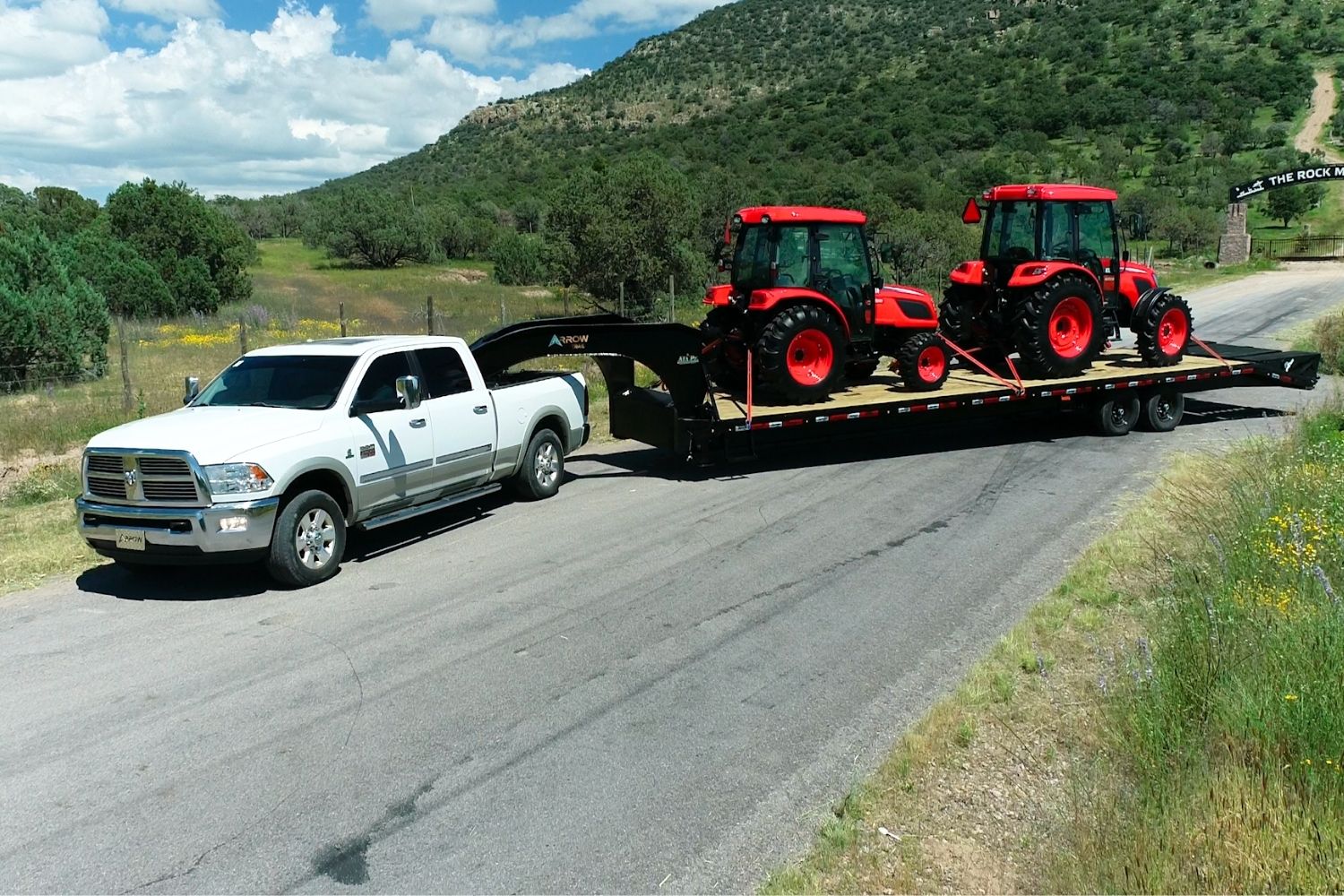
Engineering Marvels: Powertrains and Structures
Redefining Torque and Engine Efficiency
The primary driver behind the staggering capabilities of modern trucks and large SUVs lies in the dramatic evolution of internal combustion engineering. Historically, the prevailing wisdom suggested that moving substantial weight required the largest displacement V8 engine available. However, that paradigm has shifted significantly in recent years. The current landscape is dominated by sophisticated engineering that pairs smaller displacement V6 engines with high-performance twin-turbocharging systems. This combination allows manufacturers to achieve, and often exceed, the output previously reserved for massive naturally aspirated engines. The critical factor here is not just horsepower, but torque—specifically, the rotational force applied to the wheels that gets a stationary load moving.
Through the integration of turbochargers and advanced hybrid assist systems, engines can now generate peak torque at much lower revolutions per minute (RPM). For the driver, this translates to effortless acceleration from a standstill, even when hitched to a heavy boat or camper. Merging onto highways or navigating steep inclines becomes a smoother, more controlled experience because the engine does not need to scream at the redline to find power. Furthermore, these modern systems are designed with a dual purpose: providing brute force when necessary while optimizing fuel consumption during cruising. This balance ensures that long-distance hauling remains economically viable, reducing the frequency of fuel stops and the overall cost of the journey.
The Backbone of Stability: Frame and Drive
While the engine generates the force, the vehicle’s structural integrity determines how effectively that power is transferred to the road and how stable the load remains. High-capacity hauling requires a vehicle with a "skeleton" rigid enough to resist twisting under extreme stress. Most top-tier towing vehicles utilize a robust ladder-frame construction or a platform specifically reinforced for heavy-duty applications. This rigidity is essential; without it, the substantial weight of a trailer could compromise the vehicle's straight-line tracking, leading to an unsettling driving experience. Suspension systems are similarly tuned to handle increased vertical loads, preventing the rear of the vehicle from sagging and ensuring that steering geometry remains consistent.
The choice of drivetrain also plays a pivotal role in performance. Traditionally, rear-wheel drive (RWD) platforms have been favored for pure hauling capacity because they suffer fewer mechanical losses than their four-wheel counterparts. However, four-wheel drive (4WD) and all-wheel drive (AWD) systems offer indispensable advantages in traction, particularly when pulling a boat up a wet ramp or navigating a muddy campsite. Modern vehicles bridge this gap with electronically controlled transmissions and variable torque distribution. These systems allow drivers to switch modes on the fly, optimizing the gear ratios and power delivery to suit the immediate terrain. This technological synergy ensures that whether on dry pavement or slick gravel, the vehicle maintains composure, inspiring confidence in the driver.
The Digital Revolution in Hauling Safety
Beyond Raw Strength: Intelligent Driver Assists
In the past, the conversation around truck capabilities focused almost exclusively on the maximum weight a vehicle could pull. Today, however, the focus has broadened to prioritize how safely that weight can be managed at speed. Even the strongest engine is useless if the trailer sways uncontrollably or if the vehicle cannot stop within a safe distance. Consequently, manufacturers have standardized a suite of advanced active safety technologies designed specifically to mitigate the inherent risks of hauling heavy loads. These systems work imperceptibly in the background, monitoring vehicle dynamics hundreds of times per second.
One of the most critical innovations is electronic sway control. If sensors detect the trailer beginning to oscillate—a phenomenon often caused by crosswinds or sudden steering inputs—the system automatically applies braking force to individual wheels to bring the rig back into line. Additionally, blind-spot monitoring systems have evolved to account for the length of the trailer, alerting drivers to vehicles lurking alongside the extended load. Lane-keeping assist and adaptive cruise control further reduce the cognitive load on the driver during long highway stints. By integrating these features, the industry has moved from a philosophy of pure power to one of intelligent control, ensuring that reaching the destination is not just possible, but consistently safe.
| Feature Category | Traditional Experience | Modern Tech-Enhanced Experience |
|---|---|---|
| Stability Control | Relied entirely on driver skill and mechanical friction sway bars. | Electronic Sway Control automatically brakes individual wheels to neutralize oscillation. |
| Blind Spots | Required extended physical mirrors; significant blind zones remained. | Sensors and cameras scan the entire length of the trailer, alerting to adjacent traffic. |
| Braking | Simple hydraulic connection; manual gain adjustment often required guesswork. | Integrated brake controllers synchronize truck and trailer braking with ABS support. |
| Lane Management | Constant manual steering corrections required against wind and road crown. | Lane Keeping Assist provides subtle steering torque to maintain center track automatically. |
Enhancing Visibility and Cabin Connectivity
A major challenge when maneuvering large loads has always been visibility. The physical limitations of mirrors often leave drivers guessing about the proximity of obstacles, especially when reversing. The digital age has addressed this with high-definition camera arrays that stitch together a 360-degree view of the vehicle’s surroundings. Some systems even offer a "transparent trailer" view, using rear-mounted cameras to digitally remove the trailer from the display, allowing the driver to see the road directly behind them. This technology transforms anxiety-inducing tasks, like backing a camper into a narrow spot or aligning the hitch ball, into simple, precision maneuvers.
Inside the cabin, the environment has been optimized to support the driver’s focus. Large touchscreens serve as the command center, providing real-time data on transmission temperatures, tire pressures, and trailer connectivity status. Voice recognition allows for hands-free control of navigation and climate systems, ensuring hands remain on the wheel. Wireless smartphone integration means that drivers can access their preferred mapping and music apps without cable clutter. This level of comfort is not merely a luxury; it is a safety feature. By reducing fatigue and streamlining information delivery, modern interiors help drivers maintain peak alertness over hundreds of miles, making the journey as manageable as the destination is enjoyable.
Strategic Load Management and Future Trends
Mastering the Physics of Weight and Balance
Safe transport requires a deep understanding of weight distribution that goes beyond the headline numbers in a marketing brochure. A common pitfall for many drivers is focusing solely on the total weight of the trailer while neglecting the payload capacity of the truck itself. The downward force exerted by the trailer tongue onto the hitch contributes significantly to the truck's payload. When you add the weight of passengers, fuel, and cargo in the truck bed, it is surprisingly easy to exceed the vehicle's gross vehicle weight rating (GVWR), even if the trailer itself is within limits.
To manage this, the industry has seen a rise in specialized suspension components and weight-distribution technologies. Heavy-duty applications often utilize dually rear wheels to spread the load and increase stability, while air suspension systems can auto-level the vehicle to maintain proper headlight aim and braking geometry. Furthermore, understanding the interplay between the trailer's center of gravity and the tow vehicle's wheelbase is crucial. A longer wheelbase generally provides better stability, resisting the lateral forces exerted by a heavy trailer. Drivers are encouraged to perform diligent pre-trip checks—verifying tire pressures, securing loads with high-quality straps, and checking brake controllers—treating every trip with the rigor of a professional logistics operation.
| Hauling Scenario | Recommended Vehicle Attributes | Key Considerations |
|---|---|---|
| Weekend Recreation (Small boats, utility trailers) | Unibody SUVs or Mid-size Trucks with V6 engines. | Prioritize daily driving comfort and fuel economy over maximum torque. |
| Heavy Camping (Large travel trailers, 5th wheels) | Heavy-Duty Pickups (¾ ton+) with Turbo-Diesel or Large Gas V8. | Focus on payload capacity and extended wheelbase for highway stability. |
| Off-Grid Adventure (Overlanding rigs) | 4WD Trucks with locking differentials and all-terrain tires. | Ensure cooling systems are upgraded for low-speed, high-load engine stress. |
The Electric Horizon: Efficiency Meets Instant Power
The introduction of electrification into the heavy-duty segment represents a fundamental shift in how power is delivered. Electric vehicles (EVs) and hybrids possess a unique mechanical advantage: instant torque. Unlike internal combustion engines that must build RPMs to enter their power band, electric motors deliver maximum force the moment the accelerator is pressed. This characteristic eliminates the strain of getting a heavy load moving on a steep grade, providing a seamless and powerful launch that feels vastly different from traditional gas engines.
Moreover, the architecture of electric trucks contributes to their capabilities. By integrating heavy battery packs into the lower chassis, the center of gravity is lowered drastically, improving stability and reducing body roll—a significant benefit when hauling tall trailers. Regenerative braking also plays a massive role; the electric motors can slow the vehicle down while recharging the battery, reducing wear on mechanical brakes during long descents. While challenges regarding range and charging infrastructure remain for long-haul towing, the efficiency and performance benefits of electrified powertrains are undeniable. They offer a quieter, smoother, and mechanically simpler alternative, pointing toward a future where heavy lifting is cleaner and more precise than ever before.
Q&A
-
What factors determine the Maximum Towing Ratings of a vehicle?
Maximum Towing Ratings are influenced by several factors including the vehicle's engine power, transmission, axle ratio, and suspension system. Additionally, the frame strength and the presence of a factory-installed towing package can also impact these ratings. It's important to consult the vehicle's owner manual or manufacturer specifications to understand the exact towing capacity.
-
What are the different types of Trailer Hitch Types available?
Trailer hitches come in various classes and types, each designed for different towing needs. Common types include Class I to Class V hitches, gooseneck hitches, and fifth-wheel hitches. The choice depends on the weight of the trailer and the type of vehicle used for towing. Each class has specific weight limits and applications, from light-duty towing to heavy-duty, commercial use.
-
How do you calculate Payload Capacity for a vehicle?
Payload Capacity is calculated by subtracting the vehicle's curb weight from its Gross Vehicle Weight Rating (GVWR). This includes all passengers, cargo, and any additional equipment. Understanding payload capacity is crucial to ensure safe towing and to avoid overloading the vehicle, which can lead to mechanical failures or safety hazards.
-
What are Towing Package Upgrades and why are they important?
Towing Package Upgrades often include enhancements like a stronger rear axle, upgraded cooling systems, specialized suspension components, and wiring for trailer brakes. These upgrades are essential for improving a vehicle's towing performance and safety, allowing it to handle heavier loads more efficiently and with greater stability.
-
What role do Brake Controller Systems play in towing?
Brake Controller Systems are critical for managing the braking force applied to the trailer. They ensure that the trailer brakes are activated in sync with the towing vehicle, providing smoother and safer stops. There are different types of brake controllers, such as time-delayed and proportional controllers, each offering unique benefits depending on the towing setup and conditions.
-
What are some essential Towing Safety Tips to follow?
Key towing safety tips include performing regular maintenance checks on both the vehicle and trailer, ensuring proper weight distribution, checking tire pressure, and using the right hitch and towing accessories. Additionally, practicing safe driving habits, such as maintaining a safe distance from other vehicles and avoiding sudden maneuvers, is crucial for preventing accidents and ensuring a secure towing experience.