
Understanding the Chemistry and Engineering Behind Longevity
The Critical Role of Cathode Material Composition
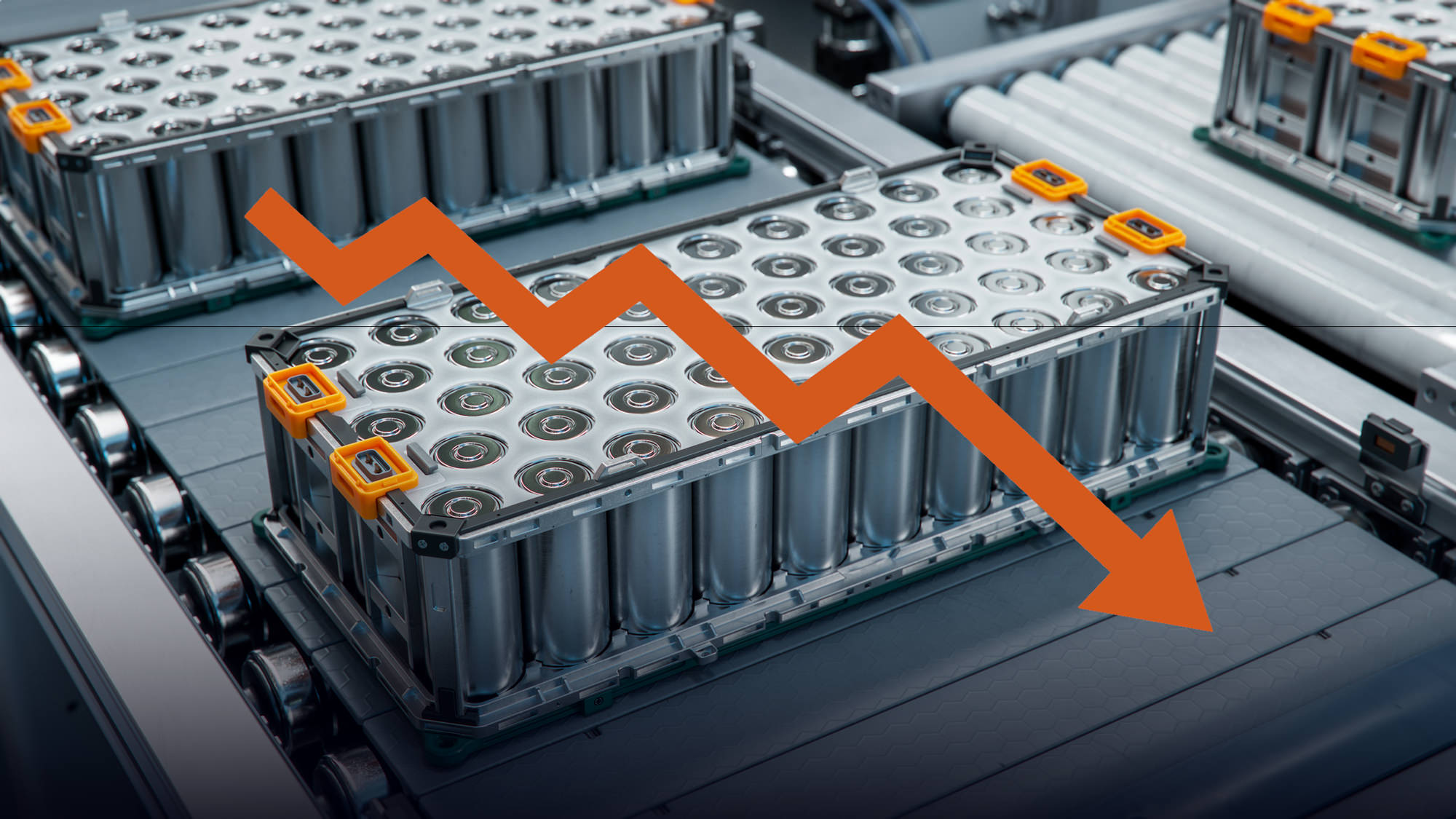
When evaluating the pre-owned electric vehicle market, the primary concern for most buyers is the remaining capacity of the energy storage system. However, the rate at which this capacity degrades is heavily influenced by the specific materials used in its construction. In the current landscape, two dominant chemistries dictate performance: those rich in nickel and those utilizing lithium iron phosphate (LFP). Nickel-based compositions are prized for their high energy density, allowing for significant range on a single charge, which is often a priority for drivers with long commutes or those living in sprawling suburban areas. However, this density comes with a trade-off; these cells can be sensitive to high temperatures and require robust management to prevent accelerated aging.
Conversely, LFP technology is gaining traction due to its distinct advantages in durability and safety. While they may offer slightly less range per pound compared to their nickel counterparts, LFP units are exceptionally stable. They can withstand significantly more charge and discharge cycles without substantial capacity loss and are far less prone to thermal issues. For a used car buyer, identifying which chemistry powers a potential purchase is as important as checking the odometer. A vehicle equipped with LFP technology might show higher mileage but could possess a "healthier" core than a lower-mileage nickel variant that was subjected to frequent thermal stress. Understanding this distinction is the first step in accurately predicting the future reliability of a secondhand purchase.
Thermal Management as the Guardian of Health
Beyond the raw materials, the sophistication of the system that regulates temperature is the single greatest determinant of a vehicle's lifespan. Batteries operate via chemical reactions, and these reactions are sensitive to extreme heat and cold. Modern engineering has shifted towards active liquid cooling systems that circulate coolant through the pack to maintain an optimal operating window. This is a significant leap forward from older or less expensive designs that relied on passive air cooling. In regions with hot summers, such as the Sun Belt, passive systems often struggle to shed heat during fast charging or highway driving, leading to permanent capacity loss over time.
Recent advancements in cell design and thermal interface materials have further improved longevity. Innovations include cooling plates that draw heat away from the cell face rather than just the edges, ensuring uniform temperature distribution. Data from high-mileage fleets suggests that vehicles with these advanced thermal management systems can cover hundreds of thousands of miles with minimal degradation. When shopping for a used EV, prospective owners should prioritize models known for robust active thermal management. A system that effectively mitigates heat accumulation during rapid charging sessions and hot weather driving preserves the vehicle's range and resale value far better than a battery with higher initial capacity but poor thermal control.
| Feature | Active Liquid Cooling | Passive Air Cooling |
|---|---|---|
| Mechanism | Circulates coolant through channels within the battery pack. | Relies on ambient airflow or cabin air to dissipate heat. |
| Efficiency | Highly effective at maintaining optimal temperatures even under load. | Less effective, especially during rapid charging or hot weather. |
| Longevity Impact | Significantly extends battery life by preventing heat damage. | Higher risk of accelerated degradation due to thermal stress. |
| Suitability | Ideal for hot climates and frequent fast-charging users. | Best suited for mild climates and lower-demand usage cycles. |
| Maintenance | Complex system requiring occasional fluid checks. | Simple design with virtually no maintenance required. |
Assessing Value Through Usage History and Economics
Decoding the Invisible History of Usage
While technical specifications provide a baseline, the specific history of a vehicle dictates its current condition. Unlike internal combustion engines where wear is often audible or visible, battery degradation is silent and largely invisible without diagnostic tools. The natural aging process accounts for a small percentage of capacity loss annually, but this can be accelerated by the habits of the previous owner. A vehicle that was consistently charged to 100% and left to sit for days, or one that was exclusively topped up using high-voltage DC fast chargers, may exhibit internal resistance changes that standard mileage figures do not reveal.
In the United States, where road trips and highway driving are common, the stress placed on the electrical system is variable. A car driven mostly in moderate climates with slow overnight charging will have a vastly superior state of health compared to an identical model driven in extreme heat with frequent rapid charging sessions. Smart shoppers are now turning to third-party diagnostic reports that read the Battery Management System (BMS) data. These metrics go beyond the dashboard's estimated range, offering insights into the pack's voltage balance and total energy throughput. Recognizing that "low mileage" does not always equal "high health" is crucial. A well-maintained high-mileage fleet vehicle might actually be a safer bet than a low-mileage personal car that was mistreated regarding charging protocols.
Economic Implications and Incentives
The financial argument for purchasing a used electric vehicle is becoming increasingly compelling, driven by more than just the lower sticker price compared to new models. The total cost of ownership is often drastically lower due to the reduction in maintenance requirements—no oil changes, fewer brake replacements due to regenerative braking, and far fewer moving parts. When these operational savings are combined with the depreciated purchase price, the economic value proposition is strong, even if the battery has lost a fraction of its original range.
Furthermore, the eligibility for federal tax credits on pre-owned clean vehicles in the US adds a significant layer of financial appeal. These incentives are designed to make sustainable transportation accessible to a wider demographic, effectively lowering the barrier to entry. Buyers must navigate specific income requirements and vehicle price caps, but for those who qualify, the credit can offset a substantial portion of the purchase price. Additionally, as the global supply chain for battery materials stabilizes and recycling technologies mature, the fear of exorbitant replacement costs is diminishing. The market is shifting towards a model where the battery is seen not as a liability, but as a durable asset that retains significant utility and economic worth well into its second decade of service.
Sustainability and the Future Lifecycle
Environmental Impact and Second Life Potential
The environmental narrative surrounding electric vehicles extends far beyond tailpipe emissions. When analyzing the lifecycle from "well-to-wheel," the reduction in greenhouse gases and nitrogen oxides is substantial, even when accounting for the manufacturing intensity of the battery pack. As the US electrical grid becomes greener with increased renewable energy integration, the carbon footprint of operating an older EV decreases further. Keeping a used EV on the road is, in many ways, more sustainable than manufacturing a new one, as it maximizes the utility of the initial carbon investment made during production.
However, when a battery eventually degrades below the threshold required for automotive use—typically considered around 70-80% of original capacity—it does not become waste. These units retain significant energy storage capability and are increasingly being repurposed for stationary storage applications. They can be paired with residential solar arrays or used in commercial grid-stabilization projects (BESS). In this "second life," the high power demands of accelerating a vehicle are replaced by the gentle, steady charge and discharge cycles of storing renewable energy. This cascading usage model ensures that the resources extracted to build the cell are utilized to their absolute maximum potential before recycling is even necessary.
| Evaluation Criteria | Strong Indicator of Value | Warning Sign |
|---|---|---|
| Charging History | Predominantly Level 2 (home/work) charging. | Exclusive reliance on DC Fast Charging. |
| Climate Exposure | Vehicle lived in moderate, temperate climates. | History of registration in extreme heat regions without active cooling. |
| Storage Habits | Previous owner understood not to store at 100% or 0%. | Vehicle left fully charged or deeply discharged for long periods. |
| Software Status | BMS software is up-to-date with manufacturer specs. | Outdated firmware that may miss optimization patches. |
| Diagnostic Report | Balanced cell voltages and linear degradation curve. | Large variance between individual cell voltages. |
The Closed-Loop Recycling Revolution
The final frontier in the battery lifecycle is the development of efficient recycling technologies that create a closed-loop supply chain. The industry is moving away from the linear "take-make-dispose" model toward a circular economy where end-of-life batteries become the feedstock for new ones. Advanced hydrometallurgical processes can now recover critical materials like lithium, cobalt, nickel, and copper with purity levels high enough to be reintroduced directly into battery manufacturing. This reduces dependence on mining and insulates the industry from geopolitical supply chain disruptions.
In the US, significant investment is flowing into domestic recycling infrastructure. This shift not only mitigates the environmental impact of raw material extraction but also drives down the cost of new batteries, which indirectly supports the residual value of used EVs. Knowing that a vehicle's battery has a defined, valuable path at the end of its life provides peace of mind to consumers concerned about disposal. It transforms the battery from a potential environmental hazard into a renewable resource reservoir, solidifying the role of electric vehicles as the cornerstone of a sustainable future.
Q&A
-
What are State of Health (SOH) Metrics and why are they important for electric vehicles?
State of Health (SOH) Metrics provide a measure of the current condition of an electric vehicle's battery relative to its ideal state. These metrics are crucial as they help determine the remaining capacity and performance of the battery, influencing both the range of the vehicle and the value of the vehicle over time. Monitoring SOH can also help in predicting when a battery might need servicing or replacement, ensuring the vehicle runs efficiently and safely.
-
How do Battery Cycle Counts affect the lifespan of an EV battery?
Battery Cycle Counts refer to the number of complete charge and discharge cycles a battery has undergone. Each cycle slightly degrades the battery, impacting its overall lifespan. Understanding and monitoring cycle counts can help in maintaining the battery's health by optimizing charging habits and ensuring longevity, which is particularly important for maintaining vehicle performance and resale value.
-
What role does Proprietary Charging Hardware play in electric vehicle charging?
Proprietary Charging Hardware is designed specifically for certain electric vehicle models to ensure optimal charging performance and safety. This hardware can offer benefits such as faster charging speeds, enhanced compatibility with the vehicle's battery management system, and better integration with the car's software updates. Using the correct proprietary hardware can also prevent potential warranty issues and maintain the vehicle's efficiency.
-
Why is Thermal Management Longevity significant in electric vehicle maintenance?
Thermal Management Longevity refers to the ability of an electric vehicle's thermal management system to maintain effective temperature regulation over time. This is significant because proper temperature control is essential for battery efficiency and safety, preventing overheating and ensuring that the battery operates within the ideal temperature range. Effective thermal management can extend the life of the battery and improve vehicle performance.