
The Evolution of Fluid Dynamics in Propulsion
Precision Targeting in Liquid Application
As electric mobility pushes the boundaries of performance, the methods we use to regulate temperature are undergoing a dramatic transformation. We are moving away from simple, general cooling loops toward highly sophisticated, multi-layered architectures. In high-performance electric vehicles, the standard approach now involves intricate liquid circuits designed to target heat generation at its source. This is not merely about circulating a coolant; it is about engineering a system where fluid dynamics play a critical role in maintaining the engine's capability.
Modern systems often employ techniques akin to direct liquid jet cooling, where coolant is sprayed or directed specifically onto the hottest surfaces of the motor components. This method is significantly more efficient than traditional water jackets that only cool the outer shell. By constructing a multi-layered cooling architecture, engineers can increase thermal transfer efficiency by several folds compared to legacy systems. This structure allows heat to be dissipated rapidly and uniformly, acting as a foundational support for sustained high power output. Whether the vehicle is climbing a steep gradient or accelerating on a highway, this targeted liquid application ensures that performance remains stable under even the most grueling operational conditions.
The integration of these advanced liquid circuits also allows for a more compact motor design. Because the cooling is so effective, the components do not need to be over-engineered to withstand heat, saving weight and space. This synergy between fluid dynamics and mechanical design is what allows modern EVs to offer such impressive torque and power density without overheating after a few minutes of spirited driving.
| Feature | Traditional Water Jacket Cooling | Direct Liquid & Immersion Cooling |
|---|---|---|
| Cooling Method | Indirect cooling via housing walls | Direct contact with heat-generating parts |
| Thermal Efficiency | Moderate; creates thermal gradients | High; rapid heat dissipation |
| Complexity | Low; simpler manufacturing | High; requires precise sealing and fluid logic |
| Primary Benefit | Cost-effective for standard use | Enables sustained high performance |
| Safety Profile | Standard protection | Reduces risk of localized hot spots |
The Immersion Paradigm Shift
Moving beyond circulation, a more radical and direct approach known as immersion cooling is moving from the laboratory to the road. This technique involves submerging heat-generating components—such as the power electronics and parts of the motor—directly into a dielectric (non-conductive) fluid. Unlike water-glycol mixtures which must be kept in isolated channels to prevent short circuits, these specialized fluids can wash directly over electrical connections and moving parts, extracting heat from the source immediately.
The primary advantage of this submersion technique is the dramatic reduction in thermal resistance. Heat does not need to travel through layers of metal casing or thermal paste to reach the coolant; the coolant is right there. This capability is pivotal in preventing thermal runaway, a critical safety concern in high-voltage systems. By maintaining a uniform temperature across all components, immersion cooling eliminates dangerous hot spots that could lead to system failure. As safety standards become more stringent and consumer expectations for reliability rise, the industry is increasingly looking toward this technology as a key to unlocking the full potential of electric drivetrains while prioritizing passenger safety.
Preserving the Integrity of Core Components
Maintaining Structural Health in Static Elements
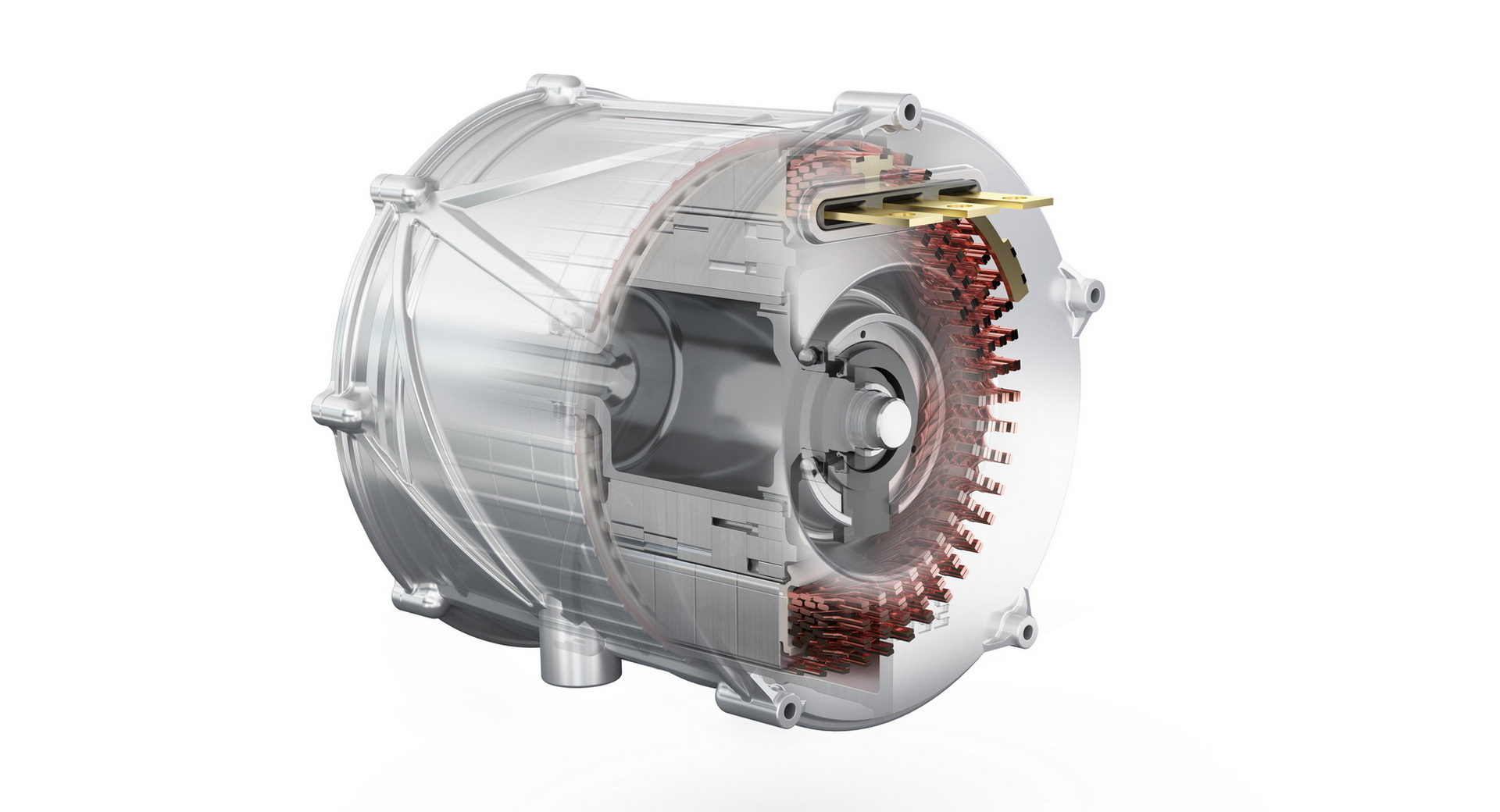
The stator, the stationary part of the motor that surrounds the rotor, is a dense forest of copper coils and electrical steel. It is here that electrical energy is converted into magnetic fields, generating significant heat in the process. Stator thermal management is not just about keeping the copper cool; it is about preserving the structural integrity of the entire assembly. In modern manufacturing, specialized resins, varnishes, and adhesives are used to bond these components together. These chemical materials are engineered to cure and harden at specific temperatures, providing the mechanical strength necessary to withstand magnetic forces.
If the cooling system fails to manage the thermal load effectively, these binding agents can degrade. Prolonged exposure to excessive heat can cause the resins to become brittle or soften, leading to delamination or structural weakness. This is where advanced cooling channels become vital. By optimizing the flow of coolant around and even through the stator slots, engineers can ensure that the temperature remains within the safe operating range of the insulation and binding materials. This protects the motor against "partial discharge," a phenomenon where insulation breaks down, potentially leading to short circuits. Therefore, the strategy for cooling the stator is a dual mission: preventing immediate overheating and ensuring the long-term durability of the bonding materials that hold the motor together.
Addressing Thermal Challenges in Rotating Assemblies
While the stator is static, the rotor spins at incredibly high speeds, creating a unique set of thermal challenges. In permanent magnet motors, which are the industry standard for efficiency and power density, the rotor contains strong magnets buried within its iron core. These magnets are the source of the motor's torque, but they are chemically sensitive to heat. If the temperature of the rotor exceeds a certain threshold, the magnets can suffer from demagnetization—a permanent loss of magnetic strength. This results in a direct and irreversible loss of motor performance.
Cooling a spinning object inside a sealed casing is notoriously difficult. This has led to the development of technologies focused on rotor hot spot detection and internal cooling. Engineers use hollow shafts to inject oil directly into the center of the rotor, using centrifugal force to spray the coolant outwards against the magnets and laminations. This internal cooling path is crucial because it addresses the heat that cannot easily escape to the stator's cooling jacket. Furthermore, because the rotor is under immense mechanical stress from rotation, managing its temperature is also about maintaining material stability. The interplay between managing the magnetic flux and the thermal flux is delicate; successful designs ensure that the "heart" of the EV keeps beating strongly without succumbing to the heat generated by its own power.
Intelligent Materials and Adaptive Systems
Leveraging Latent Heat for Passive Control
The frontier of thermal management is expanding beyond mechanical pumps and radiators into the realm of material science. A groundbreaking approach currently gaining traction is the integration of phase change cooling technologies. This method utilizes the physics of latent heat—the energy absorbed or released when a substance changes its state, such as from solid to liquid. By incorporating paraffin-based materials or advanced thermal patches near heat-sensitive components, engineers create a passive thermal buffer.
Imagine these materials acting as a thermal battery. When the motor undergoes a sudden spike in temperature—such as during rapid acceleration or regenerative braking—the phase change material (PCM) absorbs this excess heat as it melts, preventing the temperature of the motor components from rising sharply. This process happens almost instantly, faster than a traditional liquid cooling system can ramp up its flow rate. Once the peak load passes, the material resolidifies, releasing the stored heat slowly and manageably. This passive system bridges the gap between the immediate generation of heat and the active cooling system's ability to remove it, smoothing out dangerous temperature spikes and reducing thermal stress on the engine's internal parts.
Smarter Circulation for Optimal Efficiency
In the era of the software-defined vehicle, the brute force approach of running cooling pumps at full capacity is obsolete. We have entered the age of adaptive pump control, where the circulation of coolant is governed by intelligent algorithms rather than just engine speed. In a traditional setup, a water pump might run continuously, wasting energy when the motor is cool or cruising under low load. Modern adaptive systems, however, treat cooling as a dynamic variable.
By utilizing motor windings temperature profiling, sensors provide real-time data to the vehicle's central computer. The system knows exactly how hot the internal copper coils are and predicts cooling needs based on driver input (like a floored accelerator) and environmental conditions. If the motor is operating in its efficiency "sweet spot," the pump may slow down to a trickle, conserving battery energy and extending range. Conversely, if a steep hill climb is detected, the system preemptively increases flow before critical temperatures are reached. This intelligent management does more than just cool the engine; it contributes to a quieter cabin by reducing pump noise and significantly improves the overall energy efficiency of the vehicle. It effectively gives the car a metabolic system, capable of self-regulation to maintain peak health.
Q&A
-
What is Direct Liquid Jet Cooling and how does it benefit electric motors?
Direct Liquid Jet Cooling is a technique where liquid coolant is directly sprayed onto critical components of an electric motor, such as the stator and rotor. This method enhances the thermal management by efficiently removing heat, thus improving the motor's performance and extending its lifespan. It also allows for higher power densities, making motors more compact and efficient.
-
How does Stator Thermal Management impact motor efficiency?
Effective Stator Thermal Management is crucial for maintaining the optimal operating temperature of the motor's stator. By preventing overheating, it ensures that the motor operates efficiently and reliably. This management reduces thermal stress on the insulation and other materials, thus enhancing the motor's efficiency and prolonging its service life.
-
Why is Rotor Hot Spot Detection important in electric motors?
Rotor Hot Spot Detection is vital because it identifies areas within the rotor that are prone to excessive heat buildup. Detecting these hotspots early can prevent potential failures and improve the reliability of the motor. By addressing these issues proactively, maintenance costs can be reduced, and motor performance can be optimized.
-
What role does Phase Change Cooling Integration play in thermal management systems?
Phase Change Cooling Integration involves using materials that absorb heat as they change phase from solid to liquid. This technique is used in thermal management systems to maintain stable temperatures within electric motors. It helps in absorbing excess heat during peak operation times, thus preventing overheating and maintaining consistent performance.
-
How does Adaptive Pump Control contribute to efficient motor operation?
Adaptive Pump Control adjusts the flow of coolant based on the motor's real-time thermal demands. This dynamic control system ensures that the motor receives the optimal amount of cooling fluid, reducing energy consumption and improving overall efficiency. It also helps in minimizing thermal fluctuations, thus safeguarding the motor's components from thermal stress.