
Mastering Operations Through Intelligent Planning
The Power of Anticipatory Navigation
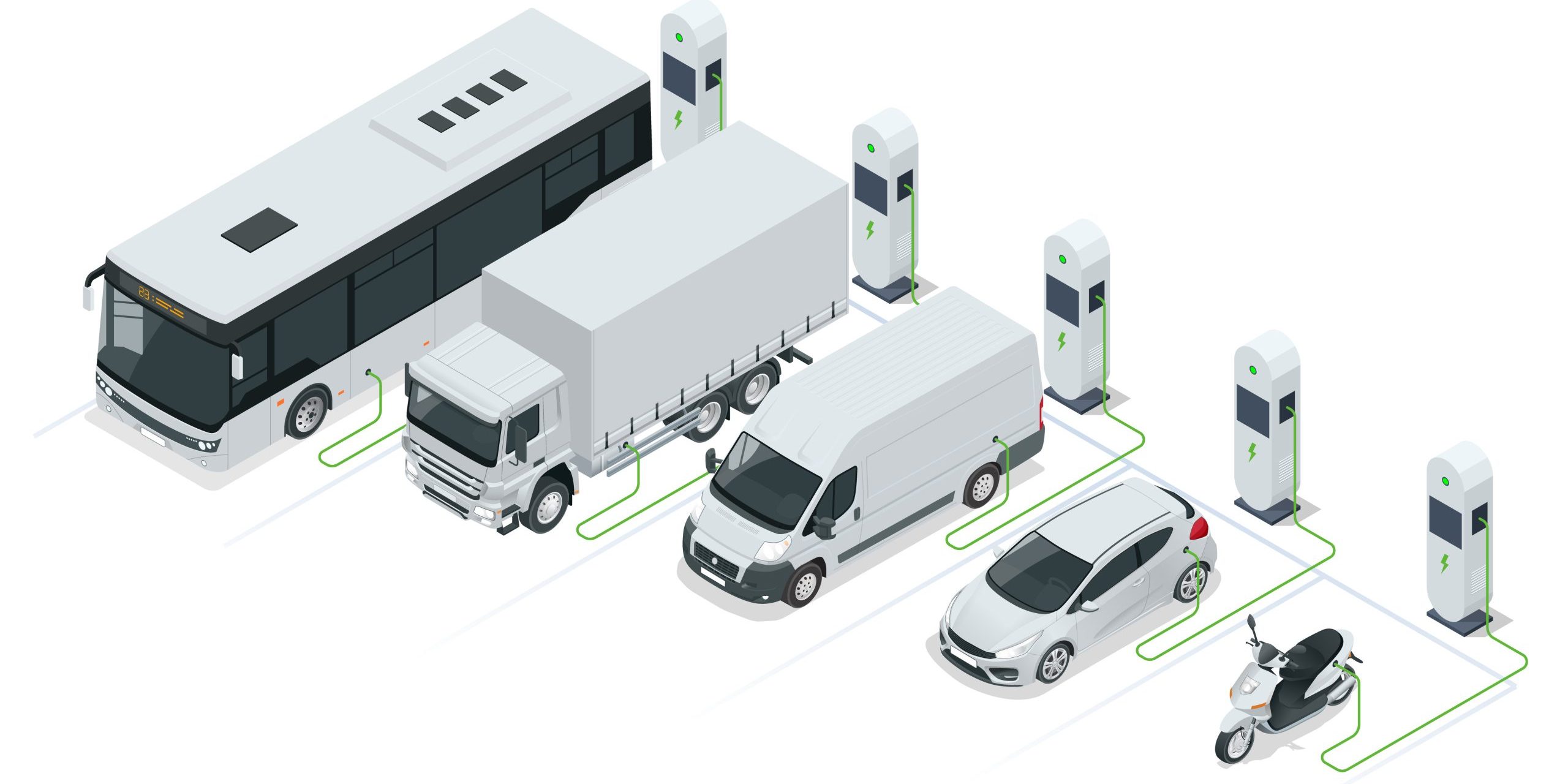
Running an electric vehicle fleet involves far more than simply finding the shortest line between two points. In the modern logistics landscape, relying solely on traditional GPS navigation is no longer sufficient. Operators must contend with a complex web of variables, including fluctuating battery levels, the geographical distribution of charging stations, and the real-time health of each vehicle. This is where advanced data analytics transforms basic navigation into a comprehensive operational strategy. By analyzing historical driving data alongside live traffic updates and energy consumption patterns, fleet managers can derive the most efficient paths for every journey.
This approach goes beyond saving minutes on the road; it fundamentally changes how energy is consumed. When a system understands the topography of a route and the payload of a vehicle, it can predict exactly how much power will be required. This level of foresight allows for the minimization of vehicle downtime, a critical factor in maintaining profitability. Instead of reacting to low battery warnings, the system proactively manages the journey to ensure that the fleet operates at its highest potential capacity.
Furthermore, integrating charging stop planning directly into the route architecture addresses one of the most significant psychological and operational hurdles in the industry: range anxiety. By identifying available rapid chargers along a specific path and calculating the precise time needed to top up, the workflow remains uninterrupted. This seamless integration of infrastructure data and operational schedules significantly reduces time losses in logistics and passenger services, proving that the synergy between route planning and energy management is the cornerstone of next-generation fleet efficiency.
Harnessing Environmental and Grid Data
Expanding the scope of fleet management requires looking at external factors that are often overlooked but have a massive impact on performance. Weather conditions, particularly extreme temperatures, play a pivotal role in battery efficiency and overall vehicle range. A sophisticated management system does not just look at the road; it looks at the sky. By incorporating meteorological data into the planning phase, operators can adjust energy consumption forecasts seasonally or even hourly. For instance, knowing that a cold snap will reduce battery efficiency allows for more conservative route planning or pre-heating strategies while the vehicle is still plugged in.
Beyond the weather, the status of the local power grid is becoming an increasingly vital data point. Advanced fleet systems are now capable of interfacing with grid data to understand regional power demand. This connectivity allows for highly intelligent decision-making, such as identifying areas or times where energy costs are lower due to a surplus of renewable energy, like solar power generation.
By synthesizing data from individual vehicles with broader infrastructure and environmental insights, fleet operators can create a buffer against unforeseen disruptions. This holistic view enables a shift from reactive troubleshooting to proactive stability. When a fleet manager can visualize how a heatwave might stress the grid and affect charging speeds, they can reroute or reschedule proactively. This multi-dimensional predictive modeling serves as a robust foundation for the long-term stability and reliability of fleet operations, ensuring that the business remains resilient regardless of external conditions.
Strategic Energy Management and Infrastructure
The "Behind-the-Meter" Revolution
As commercial electric vehicle fleets expand in size, the collective demand they place on the power grid becomes a critical operational challenge. If an entire fleet attempts to charge simultaneously, it can trigger demand charges or even local outages. To mitigate this, forward-thinking organizations are turning to "Behind-the-Meter" (BTM) strategies. This approach involves managing energy resources that exist within the facility's own infrastructure, rather than relying solely on the external utility provider.
BTM solutions often utilize on-site assets such as solar panels and stationary battery storage systems. By intelligently combining these resources, a facility can autonomously regulate its energy intake. For example, during periods of high solar generation, the system can prioritize charging vehicles directly from sunlight or storing that energy in on-site batteries for later use. This autonomy reduces the strain on the public grid and provides a layer of insulation against fluctuating energy prices.
The sophistication of these systems lies in their ability to analyze complex datasets, including seasonal power demand trends and weather-based generation forecasts. By balancing the fleet's immediate energy needs with available on-site resources, operators can maintain a high level of power reliability. This self-sufficiency is not just about cost saving; it is about ensuring that the fleet has a consistent and secure energy supply regardless of external grid conditions, thereby securing business continuity.
| Feature Comparison | Reactive Energy Management | Holistic BTM Strategy |
|---|---|---|
| Source of Power | Reliance on the public utility grid. | Mix of grid, on-site solar, and battery storage. |
| Cost Implications | Vulnerable to peak pricing and demand charges. | Stabilized costs through self-generation and storage. |
| Grid Impact | High strain during simultaneous charging events. | Reduced strain due to internal load balancing. |
| Operational Reliability | susceptible to regional blackouts or brownouts. | Enhanced resilience with backup power capabilities. |
| Sustainability Profile | Dependent on the regional grid's fuel mix. | Higher utilization of direct renewable energy. |
Navigating Peak Demand Periods
Managing the consumption of electricity during peak hours is one of the most significant financial and logistical hurdles for electric fleet operators. There are specific times of the day, such as late summer afternoons, when the general population's demand for electricity surges. Drawing heavy power for a fleet during these windows places immense pressure on the supply network and incurs premium costs. To navigate this, "peak shaving" or peak demand avoidance schemes are increasingly being adopted.
This strategy does not imply halting operations or simply consuming less; rather, it involves shifting when the energy is drawn from the grid. Advanced energy management systems can temporarily reduce the load of non-essential facility equipment, like HVAC systems or pool pumps, to free up capacity for vehicle charging. Alternatively, facilities can discharge energy stored in on-site batteries—acting as a Virtual Power Plant (VPP)—to offset the grid demand.
Effectiveness in this area hinges on smart charge/discharge strategies. A common approach involves capturing solar energy during midday when production is high and storing roughly 40% of daily generation in batteries. This stored energy is then released during the evening peak, effectively flattening the facility's demand curve. Implementing such dynamic energy movement requires robust communication infrastructure that allows the central management system to monitor the state of charge of every vehicle and battery in real-time. By avoiding the most expensive electricity rates and supporting grid stability, electric fleets transform from a burden on the energy network into a stabilizing asset.
The Next Frontier of Connectivity and Utilization
Dynamic Charging and Infrastructure Evolution
A major constraint in the commercial adoption of electric vehicles has historically been the "idling time" required for charging. For businesses where uptime is synonymous with revenue, having a vehicle tethered to a plug for hours is an expensive necessity. However, the horizon of charging technology is expanding rapidly with the development of dynamic wireless power transfer. This technology utilizes coils embedded in the roadway to transfer energy to moving vehicles, effectively charging them while they drive.
While this may sound futuristic, it is moving closer to practical application in specific logistics corridors and public transit routes. The implications for fleet efficiency are profound. If a delivery truck or bus can replenish its energy reserves while in motion, the frequency of stationary charging stops drops dramatically. This capability could allow commercial vehicles to operate with smaller, lighter batteries, increasing their payload capacity and overall efficiency.
Parallel to wireless advancements, fixed charging infrastructure is evolving through ultra-fast charging networks and intelligent allocation. Modern fleet systems can now assess a vehicle's battery status, payload, and current traffic conditions to recommend the optimal charging location and duration. This decision-making process is dynamic; it considers not just proximity, but also the price of electricity at different stations and the driver’s subsequent route. By treating the vehicle, the road, and the charging station as a unified digital ecosystem, operators can minimize delay risks and ensure that charging becomes a seamless part of the workflow rather than a disruption.
| Operational Scenario | Traditional Decision Making | Intelligent Connectivity Response |
|---|---|---|
| High Traffic Congestion | Stick to the planned route, risking battery drain. | Reroute to avoid idling and conserve energy. |
| Unexpected Order Surge | Scramble to find available vehicles, ignoring charge levels. | dispatch based on real-time battery status and range. |
| Grid Power Spike | Charge immediately upon return, incurring high costs. | Delay charging or utilize V2G to support the grid. |
| Severe Weather Alert | Proceed as normal until conditions force a stop. | Pre-charge vehicles and adjust schedules proactively. |
| Vehicle Idle Time | Vehicle sits dormant in the yard doing nothing. | Vehicle connects to the grid to stabilize local power. |
Redefining Shared Mobility Efficiency
In the realm of shared mobility and large-scale fleets, the definition of efficiency is shifting from simple asset ownership to optimized asset utilization. The goal is to maximize the time a vehicle spends performing value-added work while minimizing time spent empty or idle. Traditional fixed schedules are being replaced by flexible, data-driven dispatching models. By analyzing demand heatmaps—identifying where and when service is most needed—operators can position vehicles proactively, reducing "deadhead" miles (driving empty) and improving response times.
This optimization extends to preventative scheduling based on risk factors. Modern platforms ingest data regarding weather patterns and historical accident rates to adjust schedules before a driver even turns the key. For example, if a heavy storm is predicted to impact a specific route, the system can automatically adjust shifts or reroute traffic to avoid the hazard, protecting both the asset and the driver. This preventative approach helps maintain a consistent level of service availability, as fewer vehicles are taken out of commission due to accidents or weather-related damage.
Furthermore, the vehicle itself is evolving into a node within a larger smart city network. Through Vehicle-to-Everything (V2X) communication, fleets interact with traffic signals, road infrastructure, and the energy grid. This connectivity allows for smoother flow through cities and enables vehicles to act as energy assets—charging when renewable energy is abundant and cheap, and potentially feeding power back during shortages. By integrating these layers of software and hardware, shared fleets are becoming a highly responsive, sustainable, and economically viable component of the modern urban fabric.
Q&A
-
What is Predictive Route Energy, and how is it applied in shared fleet scheduling?
Predictive Route Energy refers to the estimation of energy consumption for a given route based on various factors such as vehicle type, traffic conditions, and terrain. In shared fleet scheduling, this concept is crucial as it helps in planning optimal routes that minimize energy usage, thereby improving efficiency and reducing operational costs. By predicting energy requirements, fleet managers can allocate vehicles more effectively and ensure that each route is completed with the least energy expenditure.
-
How does Load Balancing Across Vehicles contribute to peak demand avoidance in fleet operations?
Load Balancing Across Vehicles involves distributing tasks and loads evenly among a fleet to prevent overburdening individual vehicles. This strategy is essential for avoiding peak demand scenarios, where energy consumption spikes due to simultaneous high demand across multiple vehicles. By balancing the load, fleet operators can maintain a more consistent energy usage level, thereby reducing the risk of incurring additional costs associated with peak energy demand periods.
-
What role does Real-Time Vehicle Utilization play in improving fleet efficiency?
Real-Time Vehicle Utilization involves monitoring and analyzing the current usage of each vehicle in a fleet to optimize their deployment. This practice allows fleet managers to make data-driven decisions, such as reassigning underutilized vehicles to routes with higher demand or adjusting schedules dynamically to accommodate real-time conditions. By doing so, fleets can operate more efficiently, ensuring that resources are utilized optimally and reducing downtime.
-
Why is Dynamic Charging Assignment important for electric vehicle fleets, and how does it work?
Dynamic Charging Assignment is critical for electric vehicle (EV) fleets as it involves adjusting charging schedules and locations based on real-time data and vehicle requirements. This approach ensures that EVs are charged efficiently and are ready for use when needed. It works by considering factors such as the current state of charge, upcoming route demands, and available charging infrastructure. By dynamically assigning charging tasks, fleet operators can minimize charging time and avoid bottlenecks at charging stations, thereby enhancing operational efficiency.
-
How can shared fleet operators use predictive analytics to enhance service during peak demand times?
Shared fleet operators can leverage predictive analytics to anticipate periods of high demand and adjust their operations accordingly. By analyzing historical data and identifying patterns, operators can predict when peak demand is likely to occur and prepare by reallocating resources, adjusting schedules, and implementing load balancing strategies. This proactive approach allows operators to maintain service levels, reduce wait times, and improve customer satisfaction even during busy periods.