
Visualizing the Dream: From Imagination to Screen
Immersive Exploration from the Comfort of Home
The days when buying a car required spending entire weekends hopping between dealerships are fading. Today, the initial and perhaps most critical phase of selecting a sports utility vehicle happens right in the living room. Through advanced website interfaces, prospective buyers can access high-fidelity virtual environments that replicate the physical presence of a vehicle. This capability is particularly valuable for larger family vehicles, where assessing size and presence is crucial. Users can rotate the vehicle 360 degrees, zoom in on specific design elements, and inspect the exterior from angles that might be difficult to achieve in a crowded physical lot.
This digital flexibility aligns perfectly with modern, busy lifestyles. Whether it is late at night or during a rainy weekend, the showroom is always open. Furthermore, digital inventory is limitless; while a physical location might not have every model on display due to space constraints, the digital realm allows users to summon any variant instantly. Beyond the exterior, these tools allow for a virtual "sit-in" experience. Users can open doors, check the driver's perspective, and virtually assess the spaciousness of the rear seats. For SUV buyers, the utility of the cargo space is paramount. Detailed videos and interactive images allow for a thorough check of luggage capacity and layout, helping users visualize how their camping gear, groceries, or sports equipment would fit. This ability to sense the "texture" and spatial volume of a car through a screen bridges the gap between digital convenience and physical reality.
Personalization at Your Fingertips
One of the most engaging aspects of the modern buying process is the ability to customize a vehicle to exact personal specifications. Traditional brochures with small fabric swatches or static photos often fail to convey the true impact of a color choice or interior finish. In contrast, modern design suites render these changes instantly in high definition. A user can switch between a rugged matte finish and a sleek metallic coat with a single click, or swap out standard wheels for larger alloys to see how they alter the vehicle's stance.
These tools often go beyond simple color swapping. Advanced platforms simulate different lighting conditions, allowing buyers to see how the paintwork gleams under the midday sun or how the LED signature lights look at night. This turns the selection process into a collaborative family event. Partners and children can gather around a tablet, debating the merits of leather versus durable synthetic fabrics, or choosing between a light or dark interior theme. This interactive process creates a sense of ownership before the purchase is even made. It transforms what used to be a stress-inducing checklist of decisions into an enjoyable, creative session where the family builds their ideal car together, ensuring that the final order reflects their collective lifestyle and aesthetic preferences.
| Feature Comparison | Traditional Dealership Experience | Modern Digital Exploration |
|---|---|---|
| Visual Access | Limited to physical inventory on the lot. | Access to all models, trims, and colors instantly. |
| Time Constraints | Restricted to business hours. | Available 24/7, fitting any schedule. |
| Environment | Potential pressure from sales staff. | Relaxed, private environment at home. |
| Customization | Relies on imagination and small swatches. | Real-time, high-definition visual rendering. |
Rationalizing the Investment with Data and Clarity
Mastering the Budget with Real-Time Feedback
Beyond the visual appeal, digital tools serve as powerful aids for financial planning. In a traditional setting, asking for a requote every time an option is added or removed can feel awkward and time-consuming. Digital platforms eliminate this friction by updating the total estimated cost in real-time as users toggle features. This immediate feedback loop helps buyers maintain a rational perspective on their spending. They can weigh the value of a panoramic sunroof against a premium sound system without the pressure of a salesperson waiting for an answer.
This transparency empowers consumers to make decisions based on value rather than impulse. By seeing exactly how much each upgrade impacts the final price, buyers can meticulously curate a vehicle that fits their budget while still meeting their needs. It encourages a "build-to-budget" approach where unnecessary features are trimmed, and essential ones are prioritized. Furthermore, this clarity extends to financing. Users can adjust down payment amounts and loan terms on screen to see how they affect monthly payments. This level of financial control reduces the anxiety often associated with big-ticket purchases, ensuring that when the buyer finally commits, they do so with full confidence in the affordability of their customized vehicle.
Clarity in Costs and Financial Planning
The shift toward digital channels has brought about a welcome evolution in price transparency. Historically, the "sticker price" was merely a starting point for negotiation, leading to uncertainty about whether one was getting a fair deal. The emergence of direct-to-consumer models and updated online platforms has normalized the display of the "ride-out" price—the final cost including taxes, fees, and necessary surcharges. This shift is partly driven by consumer demand for honesty and partly by regulatory trends protecting buyers from hidden costs.
For the consumer, this means the price seen on the screen is the price to be paid, eliminating the need for haggling. This transparency extends to aftermarket products like insurance and maintenance packages. Advanced algorithms can now provide insurance quotes based on the specific safety features of the selected SUV and the driver's profile, offering a clear justification for the premium. Buyers can compare different financing and leasing options side-by-side, understanding exactly what they are paying for over the life of the vehicle. By revealing the logic behind the numbers, digital tools build trust and allow consumers to focus on the product's suitability for their life rather than worrying about the intricacies of the transaction.
Seamless Integration: Merging Digital Ease with Physical Fulfillment
Streamlining the Dealership Interaction
The data created during the online configuration process serves as a vital bridge to the physical world. Once a user has finalized their ideal specification, the platform typically generates a unique code or ID. This digital "blueprint" can be saved or transmitted directly to a local representative. When the customer eventually visits the physical location, this data preempts the need for a lengthy discovery conversation. The sales representative already knows exactly what the customer wants, from the exterior color to the specific technology packages.
This integration drastically reduces the administrative burden during the dealership visit. Instead of spending hours filling out forms or explaining preferences, the customer can focus on confirming their choices through a test drive. The time saved can be utilized to physically inspect the specific features identified online, such as the feel of the upholstery or the intuitive nature of the dashboard controls. It transforms the dealership visit from a place of negotiation to a place of confirmation and experience. The digital groundwork ensures that the physical interaction is efficient, focused, and respectful of the buyer's time, creating a smoother transition from prospect to owner.
The Direct Path to Ownership and Delivery
The ultimate expression of this digital evolution is the changing nature of vehicle delivery. The rise of direct-to-consumer sales models allows for a purchase process that can be entirely remote. For those who prefer to avoid the dealership entirely, the administrative aspects of buying a car—credit checks, contract signing, and registration—are increasingly handled via secure online portals. This "Amazon-ification" of the automotive industry means that the final step is no longer driving off a lot, but having the vehicle delivered to one's driveway.
Logistics providers now offer white-glove delivery services where the SUV is brought to the customer's home or workplace on a flatbed truck. The handover process is ceremonial yet efficient, often involving a brief walkthrough of the car’s key features by a product specialist rather than a salesperson. This method caters to the desire for convenience and safety, decoupling the joy of receiving a new car from the drudgery of dealership paperwork. It represents a fundamental shift in the retail model, where the brand adapts to the customer's environment rather than forcing the customer to navigate the brand's physical infrastructure.
| Purchase Phase | Digital Advantage | Impact on Consumer |
|---|---|---|
| Selection | Connectivity & Tech Specs focus. | Prioritizes lifestyle integration (phones, safety). |
| Verification | Remote video walkarounds. | "Try before you buy" without traveling. |
| Transaction | Digital paperwork & signatures. | Reduces administrative time and errors. |
| Fulfillment | Home delivery options. | High convenience, personalized handover. |
Beyond the Purchase: Connectivity and Remote Engagement
The Era of Remote Interaction and Tech-First Selection
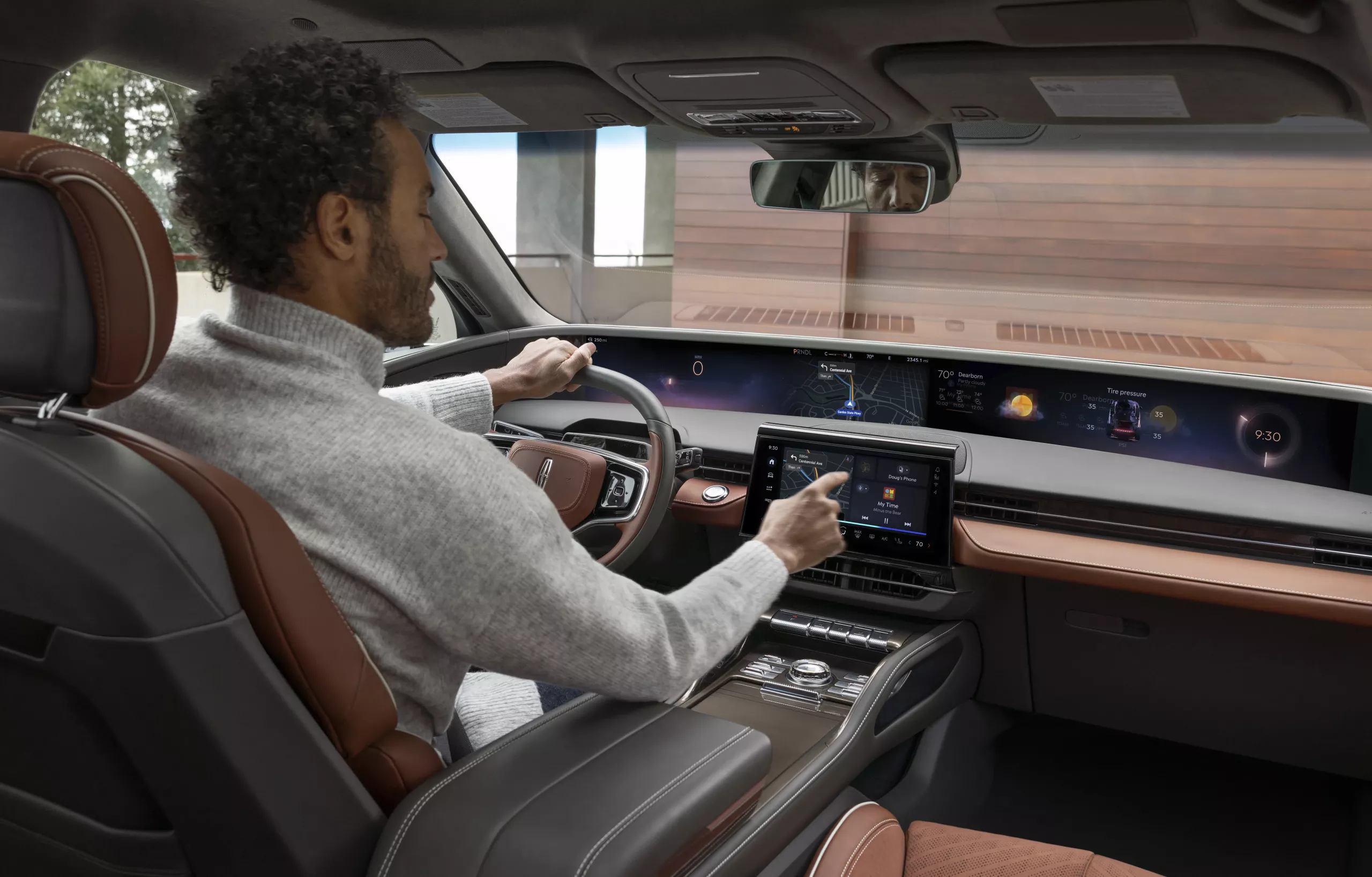
As the definition of what makes a "good" SUV evolves, so too does the way consumers evaluate them. Modern buyers are often just as concerned with software compatibility as they are with horsepower. The ability to seamlessly pair a smartphone, the intuitiveness of the navigation system, and the sophistication of driver-assistance safety tech have become primary decision drivers. Digital platforms cater to this by offering deep dives into these specific features through interactive demos and video tutorials, allowing users to verify technical compatibility before seeing the car.
Furthermore, remote engagement tools like live video calls have replaced the initial dealership walk-in for many. A customer can request a live walkthrough where a specialist at the showroom moves around the vehicle with a camera, answering specific questions in real-time. "Can you show me how deep the center console is?" or "Please fold down the rear seats so I can see the slope," are requests that can be handled instantly via video. This is particularly relevant for the growing interest in electric SUVs, where buyers are eager to understand charging ports and battery displays. The pre-launch buzz generated online for these next-generation vehicles creates a community of informed buyers who utilize digital channels to stay updated, transforming the waiting period into an engaging part of the ownership experience.
Q&A
-
What are Online Vehicle Configurators and how do they enhance the car buying experience?
Online Vehicle Configurators allow potential buyers to customize their vehicle by choosing features like color, interior materials, and additional accessories, all from the comfort of their home. This tool enhances the car buying experience by providing a personalized and interactive way to visualize the final product, making decision-making easier and more engaging.
-
How do Virtual Showroom Experiences differ from traditional showrooms, and what are their benefits?
Virtual Showroom Experiences offer a digital platform where customers can explore vehicles in a 3D environment, interact with features, and even take virtual tours. Unlike traditional showrooms, they are accessible 24/7 and eliminate geographical constraints, providing a convenient and immersive way to explore vehicles without the need to visit a physical location.
-
What advantages do Direct To Consumer Models offer in the automotive industry?
Direct To Consumer Models allow manufacturers to sell directly to customers, bypassing traditional dealership networks. This model often results in cost savings, greater pricing transparency, and a more streamlined buying process. It also enables manufacturers to build stronger relationships with consumers and gather direct feedback to improve their offerings.
-
How does Digital Lead Generation work for car dealerships, and why is it important?
Digital Lead Generation involves using online marketing strategies to attract potential customers and capture their information for follow-up. It is crucial for car dealerships as it expands their reach, enhances customer targeting, and increases the efficiency of their sales process by focusing on interested and qualified leads.
-
In what ways do Remote Test Drive Services enhance customer convenience?
Remote Test Drive Services allow customers to schedule test drives at their preferred location, such as their home or workplace. This service offers significant convenience by saving time and providing a stress-free environment for evaluating a vehicle. It also aligns with the growing consumer preference for personalized and flexible services in the buying journey.